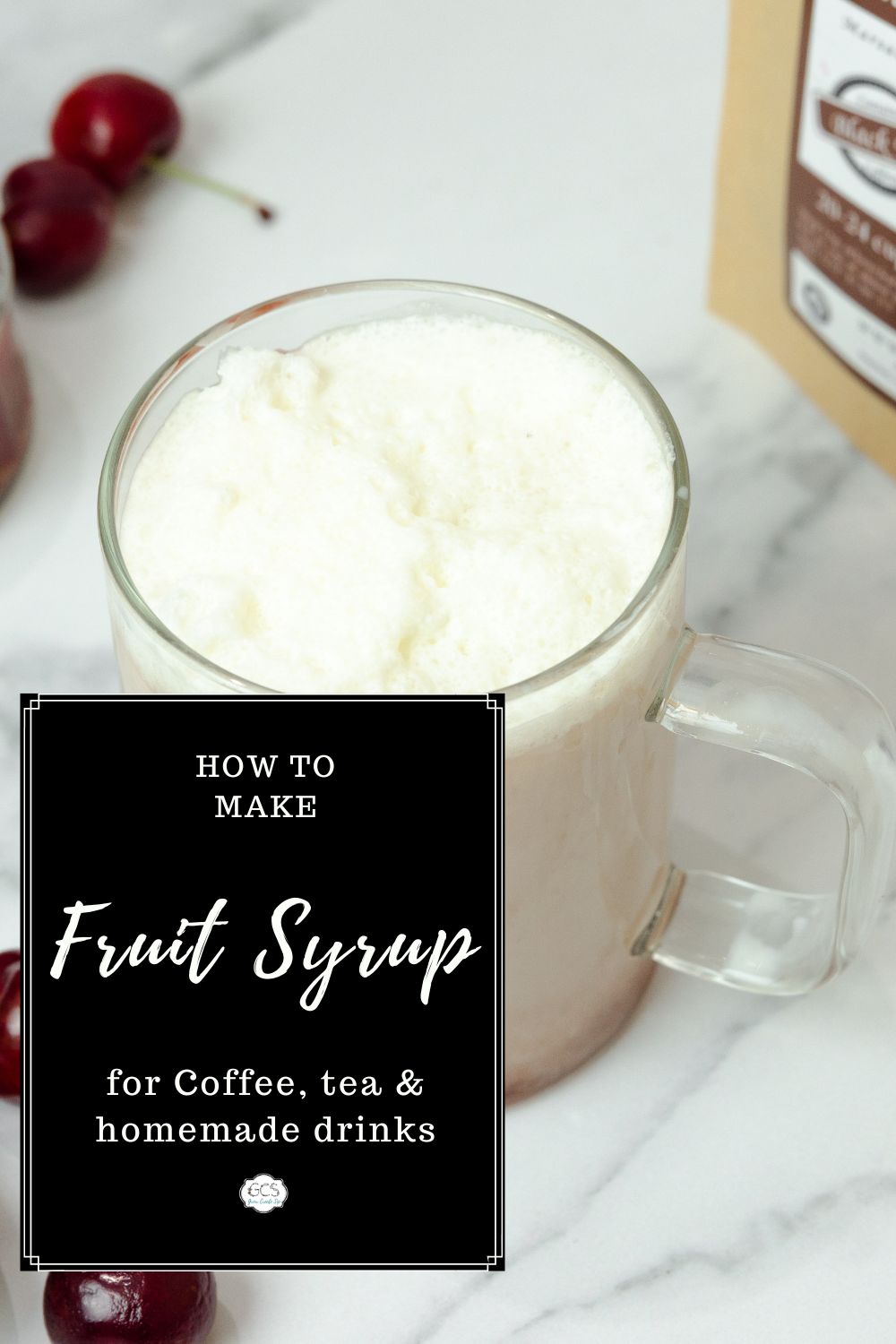
How to Make Fruit Syrup for Coffee, Tea & Homemade Drinks
Sep 29, 2026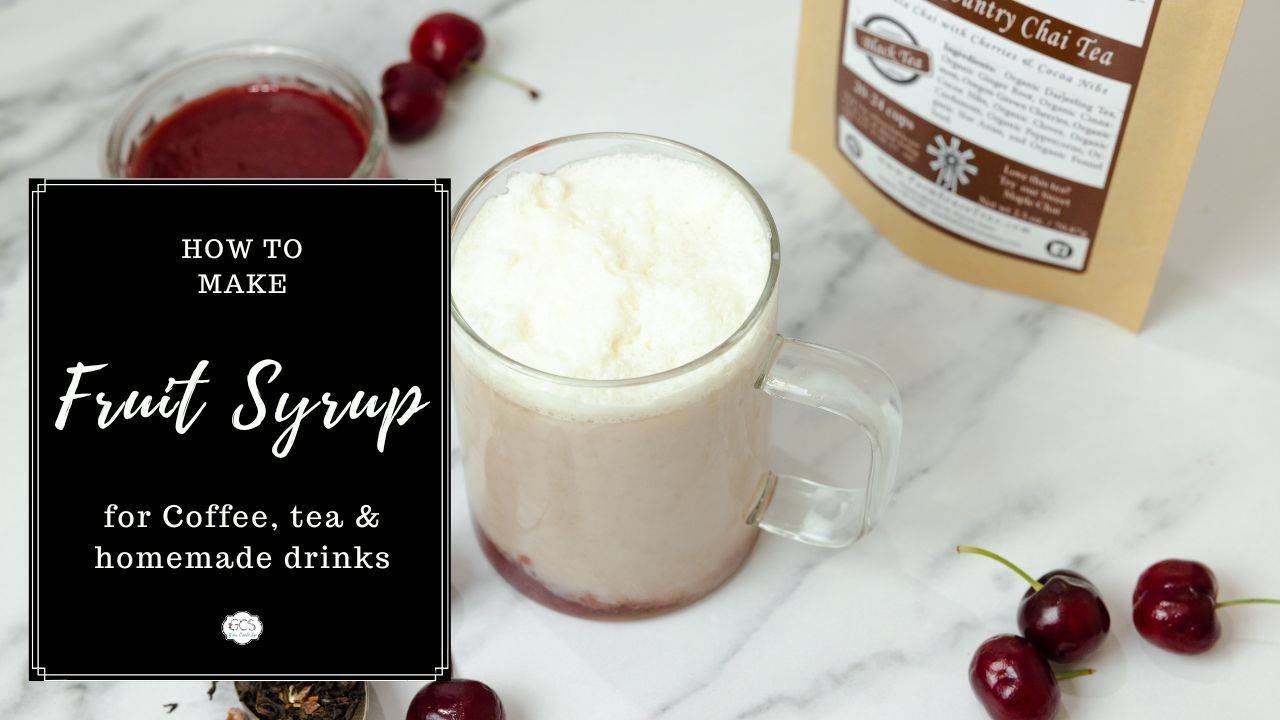
Making fruit syrup isn’t anything new in our farmhouse kitchen. We make it frequently, whether it’s elderberry syrup as part of our traditional herbal routine, blueberry syrup sweetened with maple syrup, or batches of marionberry and cherry syrup that find their way onto breakfast foods and into homemade drinks.
And more often than not, we’re starting with frozen fruit.
We have an entire freezer dedicated to fruit. Some grown here on the farm, some we pick at local farms during the summer, and some I buy in bulk from Azure Standard. When blueberries are ripe, there’s nothing quite like starting with fresh-picked berries, but come January, I’m certainly not waiting around for blueberry season to make a syrup.
That’s one of the reasons I love this simple kitchen skill so much. Fruit syrup doesn’t have to be seasonal. Fresh or frozen fruit can become the start of something really delicious.
Making our own syrups also gives me control over what goes into them. I personally have a sugar allergy, which means many of the flavored syrups used at coffeehouses aren’t an option for me. At home, I can reach for maple syrup and make something that works better for me, and save quite a bit compared with regularly buying coffeehouse drinks. Mostly, though, this is simply how I like to work in the kitchen: use what we have.
“Use it up, wear it out, make do, or live without” is a pretty good description of my approach. If there’s a bag of cherries in the freezer, I’d much rather figure out something delicious to make with them than go searching for another ingredient I don’t have.
Homemade fruit syrup can be made with either fresh or frozen fruit by gently cooking the fruit with water and a sweetener. Strain it for a thinner syrup that easily mixes into drinks, or leave some or all of the fruit in for a thicker fruit sauce or purée.
Jump to: How fruit syrup works | Fresh vs. frozen fruit | Choosing a sweetener | How to make fruit syrup | Straining fruit syrup | Flavor pairings | Ways to use fruit syrup | Cherry Chai Latte | FAQs
The Legal Stuff
This blog is provided by St. Fiacre's Farm LLC for informational purposes only. It does not constitute medical advice, and you should always seek the advice of a qualified healthcare provider for any medical questions or concerns. These statements have not been evaluated by the Food and Drug Administration. This product is not intended to diagnose, treat, cure, or prevent any disease.
Please note that we may earn a small commission on any purchases you make through our affiliate links, at no additional cost to you. Thank you for your support.

What Is Homemade Fruit Syrup?
At its simplest, fruit syrup is fruit cooked with sweetener and enough liquid to help pull out the fruit’s flavor and create a pourable mixture.
Unlike a traditional simple syrup, which starts with sugar and water, fruit syrup has another variable to consider: the fruit itself.
Some fruits release quite a bit of juice as they cook. Others need a little more water.
Some break down almost completely, while others leave you with pieces of fruit that can be strained out or blended into the finished syrup.
That’s part of what makes homemade fruit syrups so useful. Once you understand the basic process, you don’t need a completely different method for every bag of fruit in the freezer.
If you’re looking for syrups made with herbs, flowers, spices, or tea instead, check out our Herbal Simple Syrup Recipes: Lavender, Vanilla Simple Syrup & More.
Can You Make Fruit Syrup With Frozen Fruit?
Absolutely, and around here, frozen fruit is often what we use.
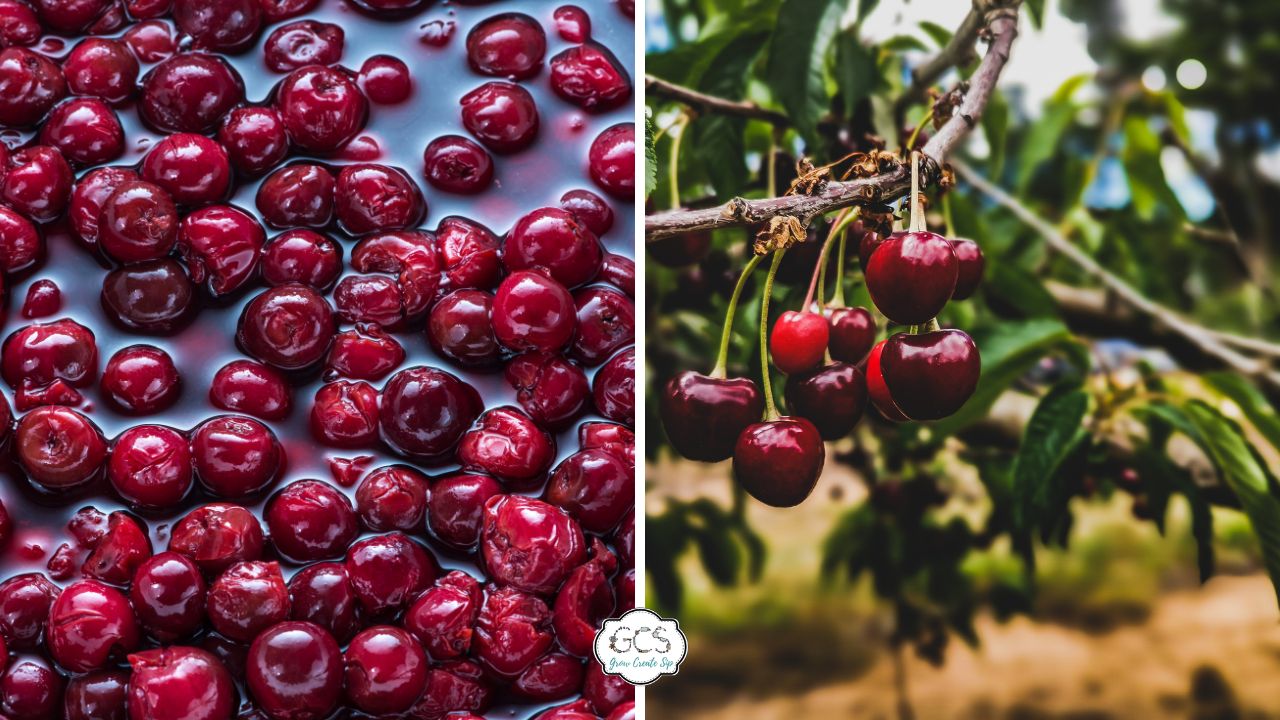
During blueberry season, for instance, fresh-picked blueberries are an obvious choice. But freezing fruit while it’s abundant means we can make blueberry, marionberry, cherry, and other fruit syrups long after harvest is over.
Frozen fruit is also wonderfully convenient. There’s no pitting cherries or washing berries when you want to make an afternoon drink. Pull out what you need and leave the rest in the freezer for another day.
Frozen fruit will usually release quite a bit of liquid as it thaws and cooks, so you may find that you need less added water than you would with fresh fruit.
There’s usually no need to completely thaw frozen fruit first. Add it to the saucepan and allow it to thaw as the mixture gently heats.
If your fruit is frozen together in one large block, partially thawing it first will make it easier to work with.
Choosing a Sweetener for Homemade Fruit Syrup
Granulated sugar may be traditional for many fruit syrups, but it isn’t your only option.
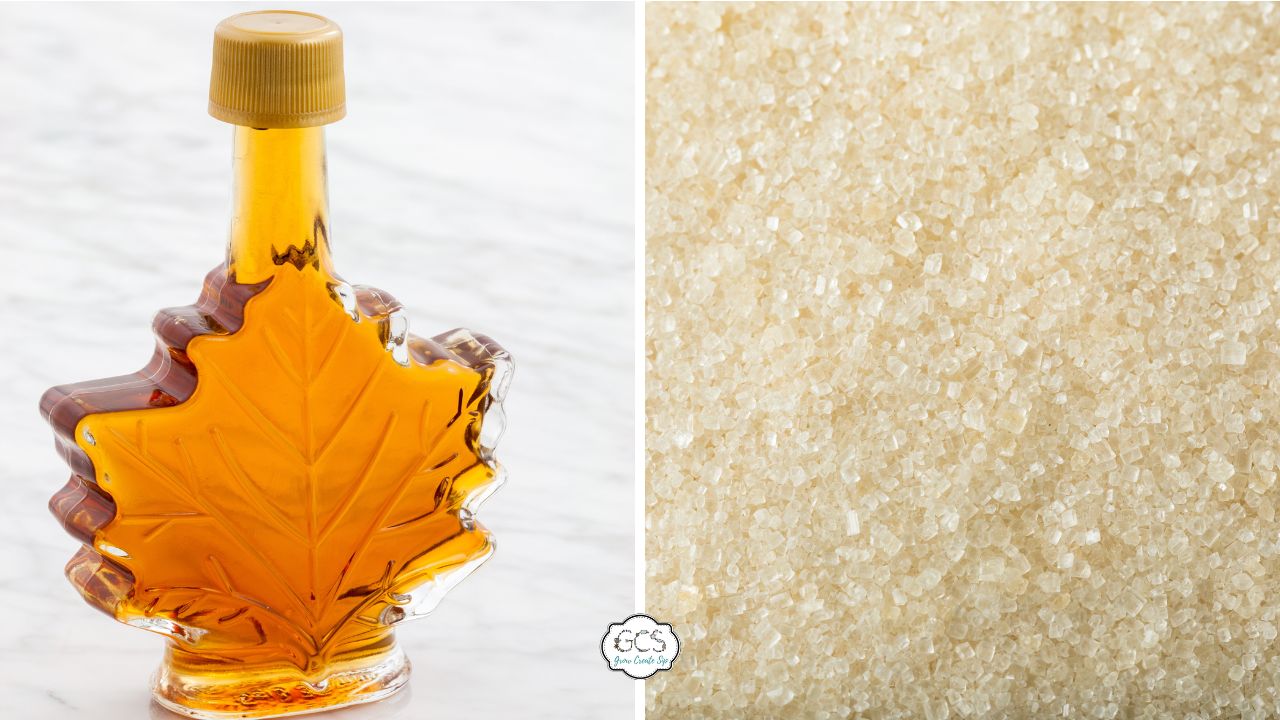
We often use pure maple syrup in ours because of my sugar allergy. Maple syrup is especially good with berries and cherries because its flavor adds a little richness without overwhelming the fruit.
Honey can also work in some fruit syrups, although its distinct flavor will come through in the finished drink.
Whatever sweetener you choose, consider where you want the syrup to end up.
A syrup destined for pancakes can handle a different texture and sweetness than one you want to stir into tea or a latte.
How to Make Fruit Syrup at Home
You don’t need much to get started: fruit, water, a sweetener, a saucepan, and a little time.
For a small batch, start with about 1 cup of fruit. Add a small amount of water and your sweetener of choice, then gently simmer until the fruit softens and releases its juices. As the fruit cooks, mash it gently with the back of a spoon or potato masher to release more of the fruit.
Keep the heat low enough that you have a gentle simmer rather than a hard boil. Watch the consistency as it cooks. Juicy frozen berries may need very little added water, while firmer fruits may need more. If your heat is higher and you have more of a boil than rolling simmer you may need to add more water as you go.
Once the fruit has softened and the liquid tastes flavorful, you get to decide what sort of finished syrup you want.
- For a thin, pourable fruit syrup, strain out the solids. This one works best for your coffeehouse-style drinks.
- For something with more body and fruit flavor, blend the fruit into the mixture or leave some of the softened fruit behind. This version would be best for breakfast items or perhaps iced drinks.
This is one of those kitchen skills that becomes much easier once you stop worrying about making every batch exactly alike and embrace the homemade style that allows for more creativity and freedom.
A juicy raspberry and a firm cherry aren’t going to behave exactly the same way in the saucepan, and that’s okay.
Should You Strain Homemade Fruit Syrup?
It depends on how you want to use it.
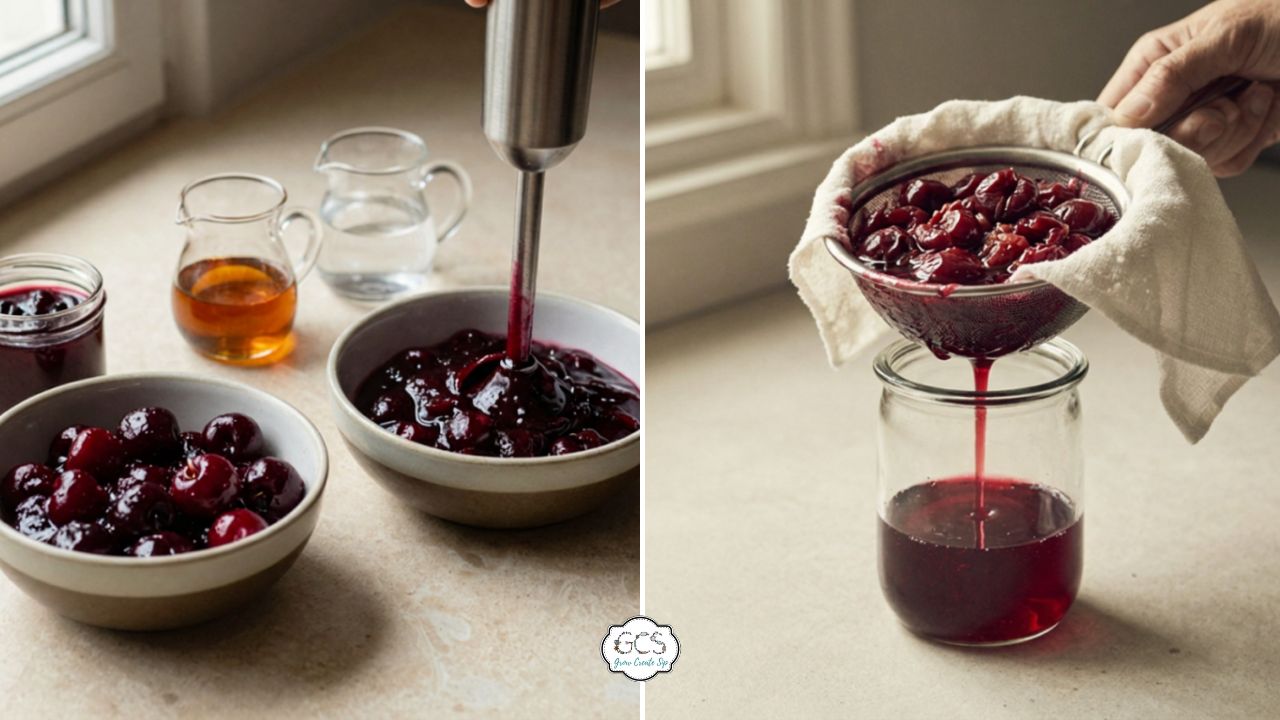
If you want a smooth syrup for iced tea, coffee, sparkling water, or other drinks where you want it to mix in easily, strain the cooked mixture through a fine-mesh strainer with an unbleached cheesecloth.
If you’re making a latte and want a stronger fruit flavor with a little more body, you may prefer to keep the solid fruit in the mixture.
You can also blend the fruit before or after cooking to make a thicker fruit sauce or purée.
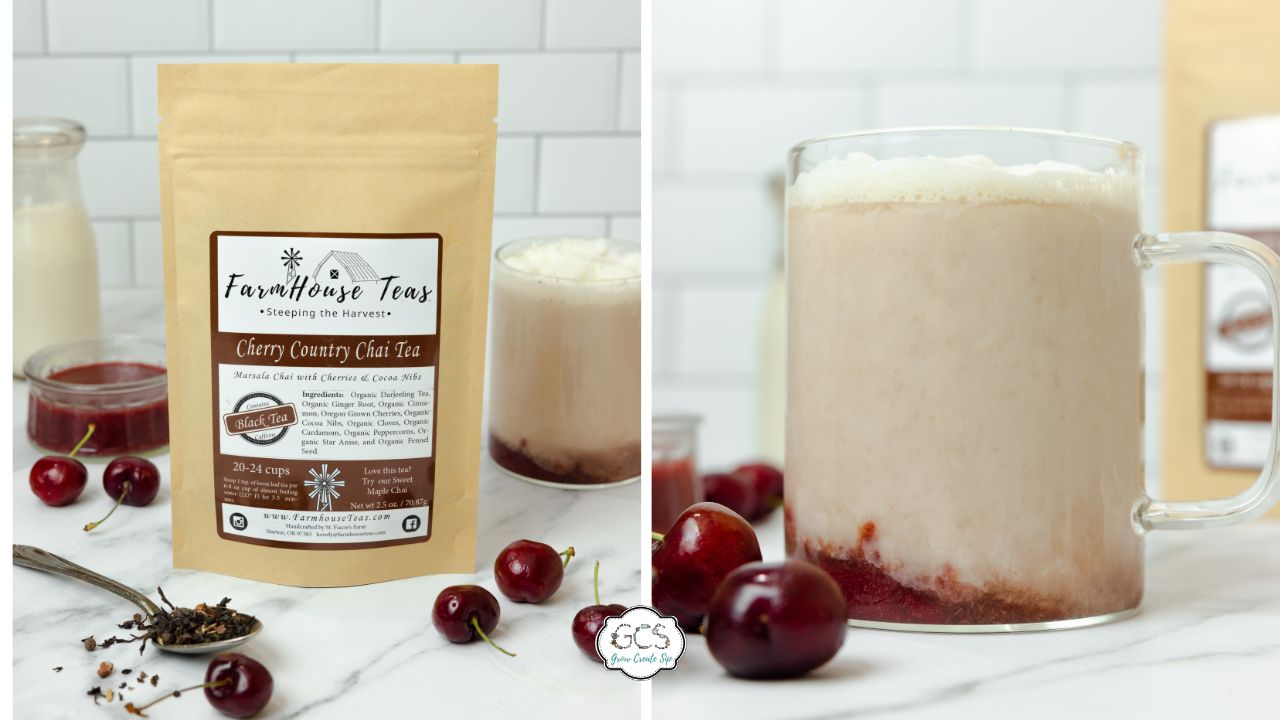
That’s the method we use for the Cherry Chai Tea Latte below. Rather than straining away the cherries, we blend them with maple syrup and water and reduce the mixture into a spoonable cherry sauce.
Fruit Syrup Flavor Ideas for Tea, Coffee & Lattes
Once you know the basic method, the fun part is deciding what to pair together.
- Cherry works especially well with chai spices, cocoa, and vanilla.
- Peach is lovely with black tea, chai, ginger, and vanilla.
- Blueberry pairs nicely with lemon, lavender, and black or green tea.
- Strawberry is an easy match for matcha, vanilla, lemon, and many fruity herbal teas.
- Raspberry can stand up to stronger flavors such as black tea and chocolate while also pairing nicely with floral flavors.
- Blackberry and marionberry are delicious alongside lemon, sage, mint, and robust black teas.
You can also add herbs and spices directly to the fruit while it simmers.
A sprig of rosemary, a little fresh ginger, cinnamon, vanilla, mint, or lavender can completely change the finished syrup.
Ways to Use Homemade Fruit Syrup
Once there’s a jar of fruit syrup in the refrigerator, you may find yourself reaching for it more often than expected. We use ours on breakfast foods as well as in drinks. Swirl it around the edge of a clear glass or plastic to-go cup for cold drinks to add a fun design to the outter edge of the drink.
Stir a little into hot or iced tea, add it to chai, mix it into a latte, add a splash to coffee, or use it to sweeten matcha. It’s also an easy way to flavor sparkling water or homemade soda.
Start with a small amount and add more to taste. How much you need will depend on the sweetness of your fruit, your sweetener, and how concentrated you made the syrup.
If homemade coffeehouse drinks are your thing too, check out our Copycat Starbucks Drink Recipes to Make at Home or take a peek at How to Set Up a DIY Coffee Bar at Home.
Cherry Chai Tea Latte with Homemade Cherry Sauce
Here’s where a batch of fruit sauce becomes something especially cozy. Winter afternoons are when I’m most likely to make myself a latte. When it’s cold, cloudy, and already getting dark outside, a warm latte makes a pretty wonderful afternoon pick-me-up.
This Cherry Chai Tea Latte is very cherry-forward, but the fruit doesn’t cover up the chai. You still get that rich chai flavor with all of the herbs and spices behind it. I use coconut milk often because I don’t tolerate cow dairy particularly well.
I also appreciate that shelf-stable coconut milk is easy to keep tucked away in the pantry without worrying about it spoiling before I get around to using it.
And the cherries? Those can come straight from the freezer.
That’s my kind of coffeehouse drink: something special made mostly from ingredients we already have on hand. The tea we're using is Farmhouse Teas Cherry Country Chai, a Darjeeling black tea blended with warming chai spices, real cherry pieces, and cocoa nibs.
Want to experiment with other chai lattes?
Our How to Make Chai Tea Latte guide walks through tea, milk, sweetener, and chai options for creating your own at home.

Common Questions about Homemade Fruit Syrup
Why did my fruit syrup get so thick after it cooled?
Fruit syrup will usually thicken somewhat as it cools, and some fruits naturally contain more pectin than others.
If your syrup becomes thicker than you want for drinks, stir in a small amount of warm water until it reaches a consistency that pours and mixes easily.
My fruit syrup is too thin. Can I thicken it?
Yes. Return it to the saucepan and gently simmer it a little longer so some of the excess water can evaporate.
Remember that it will continue to thicken as it cools, so stop just before it reaches the final consistency you want.
Why does homemade fruit syrup separate?
Separation can happen with homemade fruit syrups and sauces, especially when some of the fruit pulp remains in the mixture.
Give the jar a good stir or shake before using it.
Separation alone doesn’t necessarily mean the syrup has spoiled, but discard it if you notice mold, fermentation, an unusual odor, or other signs of spoilage.
Can I freeze homemade fruit syrup for later?
Yes. Freezing small portions is a practical option when you’ve made more syrup than you can use right away.
Leave room for expansion in your freezer-safe container, or freeze small portions in an ice cube tray before transferring them to a freezer container.
How do I keep seeds out of raspberry, blackberry, or marionberry syrup?
Pour the cooked mixture through a fine-mesh strainer with an unbleached cheesecloth while it’s still fluid enough to pass through easily.
Gently press the fruit to extract the liquid without forcing all of the seeds and pulp through the strainer.
Can I combine fruit with herbs or spices when making syrup?
Absolutely. This is one of the best parts of making your own. Try berries with lavender or mint, peaches with ginger, blackberries with sage, or cherries with warming chai spices.
Whole herbs and spices can be simmered with the fruit and strained from a thin syrup before storing.
A Use-What-You-Have Kind of Kitchen
For me, making fruit syrups isn’t really about recreating a coffeehouse menu at home. It’s another way to use what we’ve put by. During the summer that might mean fresh blueberries we just picked. In the middle of winter, it might mean opening the freezer and finding cherries from months ago.
Add a little maple syrup, brew a favorite tea, pull some coconut milk from the pantry, and suddenly there’s a warm Cherry Chai Latte sitting on the counter.
Yes, making drinks at home saves money. And for me, it also means I can choose ingredients that work for my own dietary needs. But I think what I enjoy most is that it fits the way we already live: use it up, wear it out, make do, or live without. Sometimes “making do” happens to taste pretty wonderful.
Make More Coffeehouse Favorites at Home
If making your own fruit syrups has you dreaming up more homemade lattes and specialty drinks, grab our FREE Coffeehouse at Home E-book. Inside you’ll find simple techniques and recipes for making lattes, creamy tea drinks, iced refreshers, flavored syrups, creamers, and more right in your own kitchen.
More Drink Recipes & Guides
- Herbal Simple Syrup Recipes: Lavender, Vanilla Simple Syrup & More
- Copycat Starbucks Drink to Make at Home
- How to Make Chai Tea Latte
- Homemade Herbal Italian Soda Recipe
- Better Than Starbucks Pumpkin Spice Dirty Chai
- How to Set Up a DIY Coffee Bar at Home