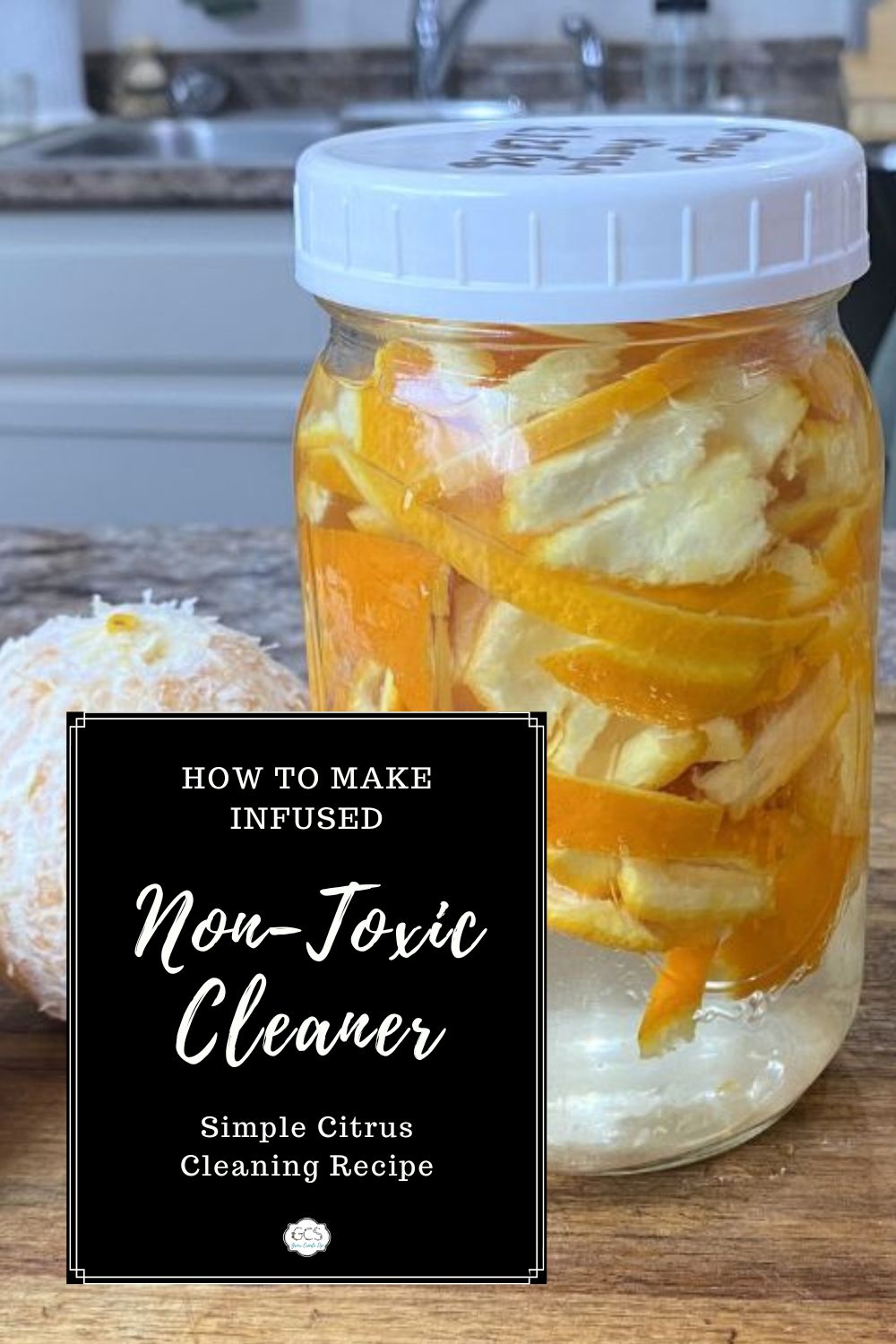
How to Make Infused Cleaning Vinegar: A Non-Toxic Botanical Guide
Apr 14, 2026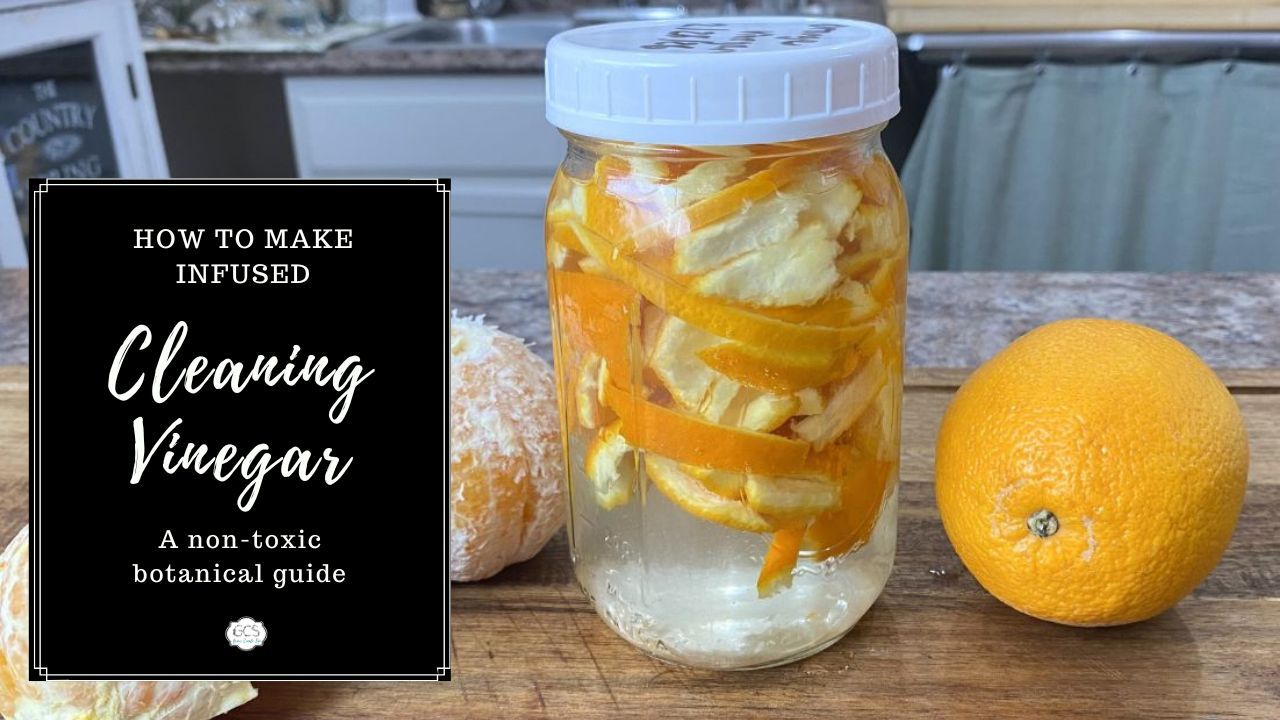
If you’ve ever walked down the cleaning aisle at the grocery store and felt an immediate, raging headache coming on, you aren’t alone. For years, I struggled with my body overreacting to all the chemicals we have around us in our modern world. Between lymphatic stagnation and a liver that felt perpetually overburdened, I had to take a hard look at the "hidden" chemicals in my home. I realized I couldn't even clean a window with a conventional spray without feeling physically sick. I knew I had to find a different way to make cleaning happen and all without just leaving it all for "the Farmer" to do!
Stop compromising your health for a clean home by introducing the botanical vinegar infusions that degrease, disinfect, and refresh for pennies.
What is Infused Cleaning Vinegar?
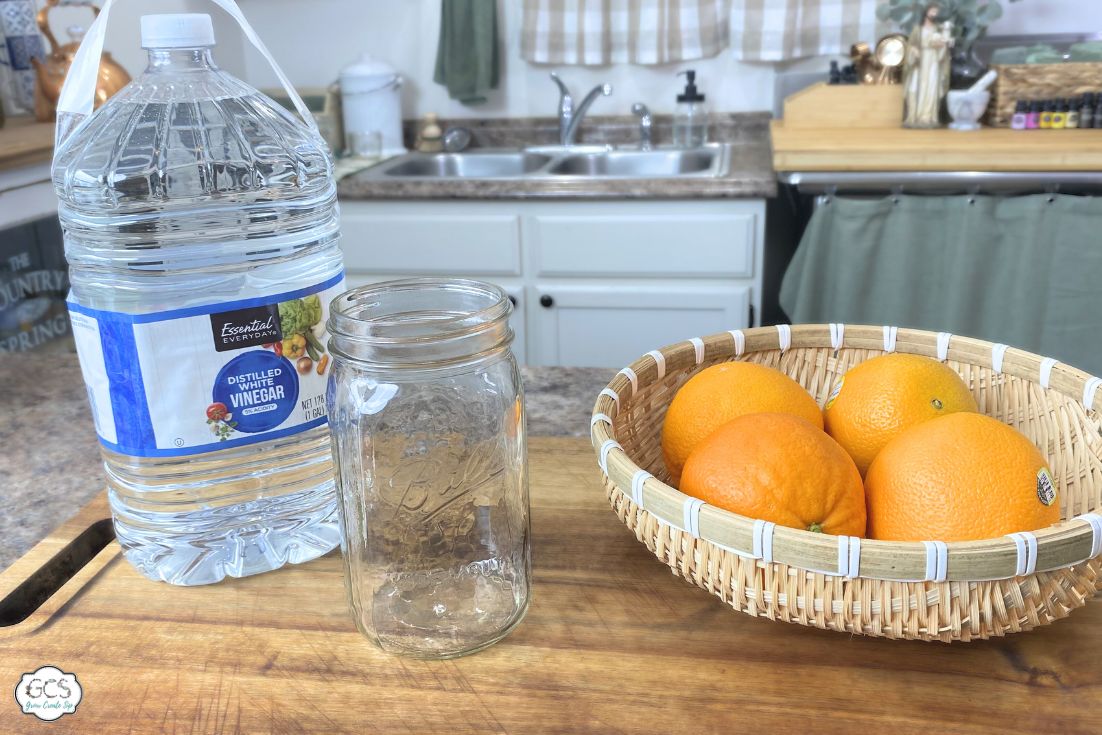
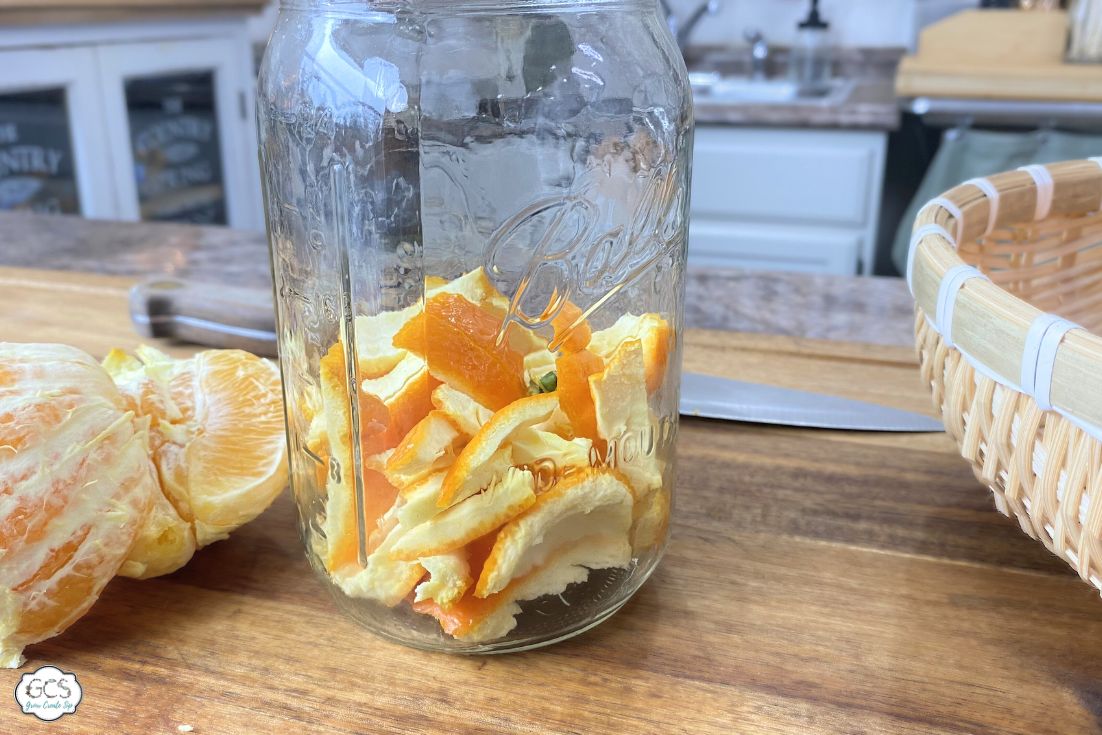
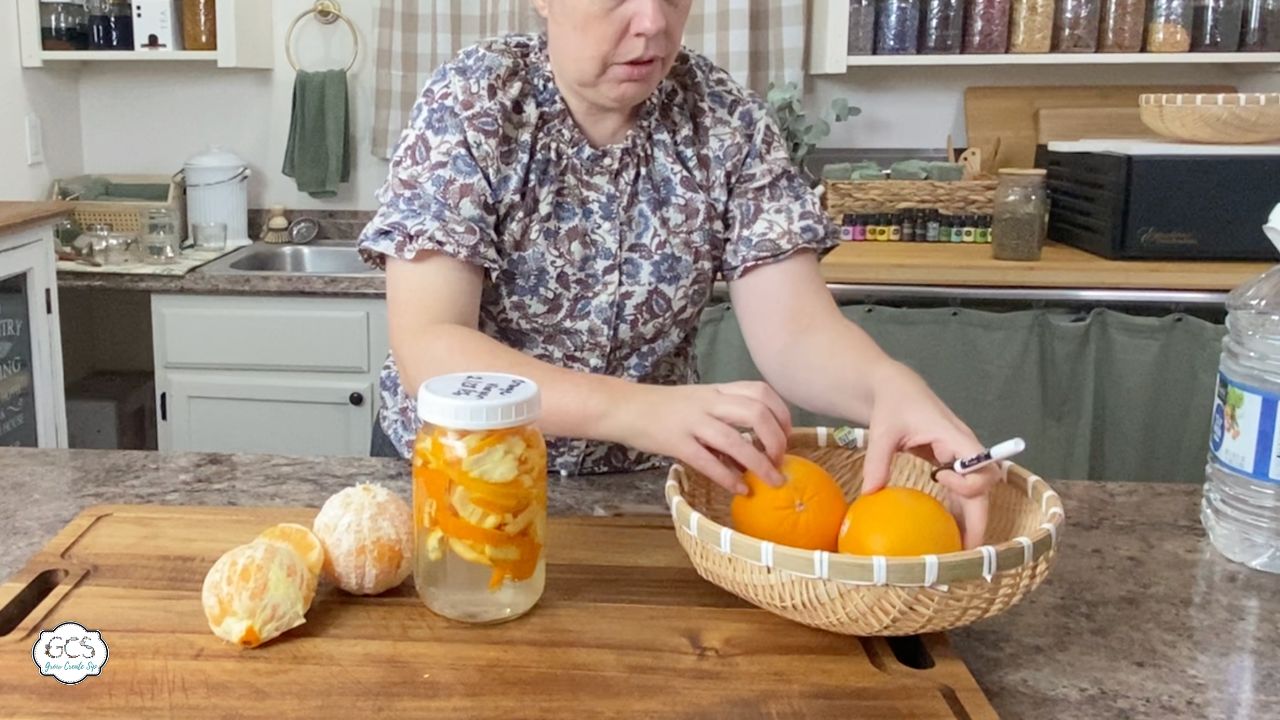
Infused cleaning vinegar is a natural household cleaner made by macerating aromatic herbs and citrus peels in distilled white vinegar. This process extracts antimicrobial volatile oils and natural degreasers like d-limonene, creating a non-toxic alternative to synthetic fragrances and harsh chemicals that can irritate the respiratory system and burden the body’s detoxification pathways.
The Recipe | Surface Safety | Troubleshooting Chart | FAQ
The Legal Stuff
This blog is provided by St. Fiacre's Farm LLC for informational purposes only. It does not constitute medical advice, and you should always seek the advice of a qualified healthcare provider for any medical questions or concerns. These statements have not been evaluated by the Food and Drug Administration. This product is not intended to diagnose, treat, cure, or prevent any disease.
Please note that we may earn a small commission on any purchases you make through our affiliate links, at no additional cost to you. Thank you for your support.

The Science of Vinegar: Why It Works
Vinegar is a diluted form of acetic acid ($CH_3COOH$). This acidic nature is exactly what allows it to dissolve mineral deposits (like those stubborn hard water stains) and cut through grease by breaking down fats.
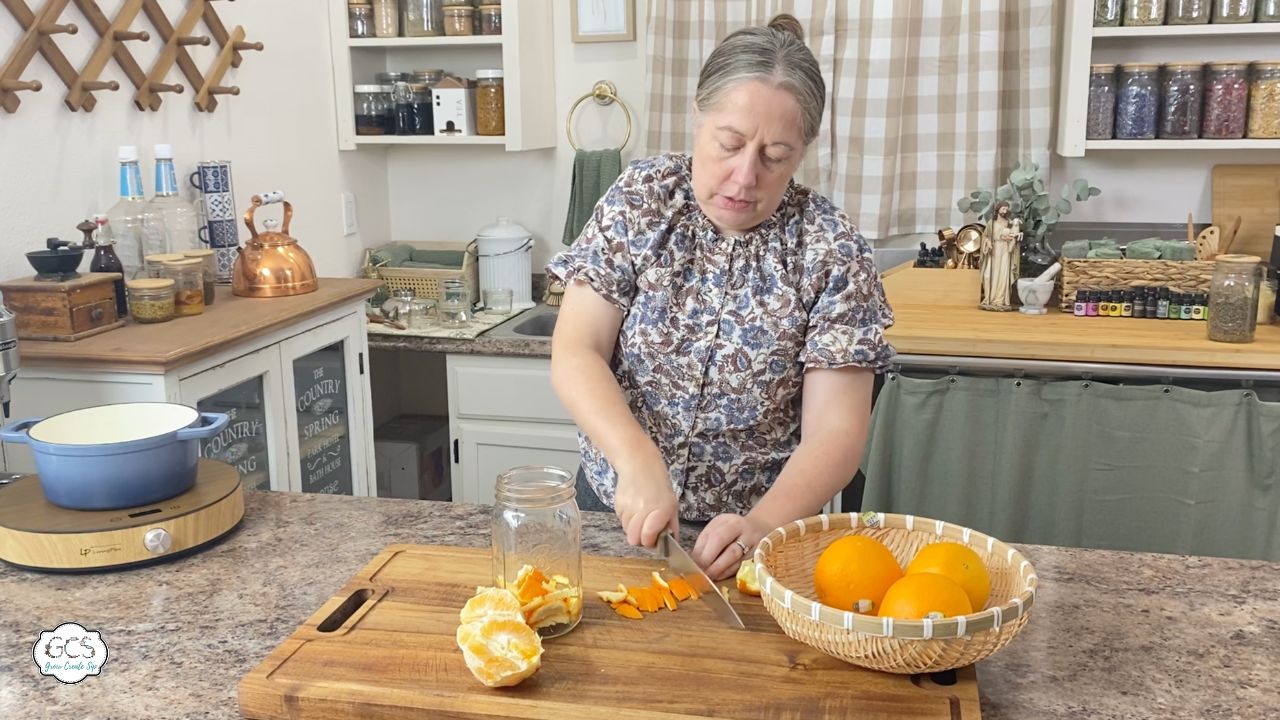
When we infuse vinegar with citrus, we are adding d-limonene, a natural solvent found in the peels that acts as a powerful degreaser. When we add herbs like rosemary or thyme, we are extracting compounds like thymol and carvacrol, which are nature's own antimicrobial tools. This process is very similar to how we might approach tincture making and crafting recipes for our apothecary, just using a different base!
Supporting Our Internal Filters
Every time we spray a conventional cleaner, we breathe in Volatile Organic Compounds (VOCs) and synthetic fragrances. These chemicals are absorbed into the bloodstream and eventually processed by the liver and moved through the lymphatic system. (source) By switching to a botanical vinegar, we simply remove those unnecessary stressors from our environment, letting our body's natural "cleaning crew" focus on keeping us well. This is just one way we support our lymph through specific herbs and daily routines in other areas of our lives.
Customizing Your Cleaner
Once you master the base, it's so much fun to play with different scent profiles based on what you have in the garden or cupboard:
- The Antiseptic Blend: Pine needles and Lemon peel, which is perfect for deep-cleaning bathrooms.
- The Fresh Morning Blend: Peppermint leaf and Grapefruit peel for an energizing kitchen clean.
- The Calming Blend: Lavender buds and dried orange peel for a soft scent in the bedrooms.
- The Herbaceous Blend: Thyme, Sage, and Lemon. You can even learn more about the benefits of rosemary, specifically to see why it's such a staple here.
Practical Surface Safety for Real Lived in Homes
While vinegar is a powerhouse, it’s not a "one-size-fits-all" solution. It works beautifully on windows, mirrors, laminate, and stainless steel, but we have to be careful with stone. Since it is an acid, it will "etch" natural surfaces like marble, granite, quartz, and even cement, leaving permanent dull spots. We also want to keep it away from electronic screens and never mix it with bleach!
Troubleshooting Your Batch
| Surface / Problem | The Guidance | Why It Matters |
|---|---|---|
| Natural Stone | Avoid | Acid eats the finish of marble, granite, and quartz. |
| Streaky Finish | Keep Going | Vinegar is stripping old wax from commercial cleaners. |
| Vinegar Smell | Orange & Clove | Citrus oils are the best natural mask for the scent. |
| Cloudy Batch | Use Whole Herbs | Powdered herbs make it "muddy" and hard to spray. It can also be filtered through a cheese cloth. |
Frequently Asked Questions
Is it safe around my pets?
Yes! However, if you have cats, stick to whole-herb infusions rather than essential oils, as their livers struggle to process certain concentrated oils.
Can I use my over-fermented kombucha?
Absolutely! It carries a lovely, earthy scent and makes a wonderful base. You can learn more about managing your ferments in this kombucha brewing guide.
Why can't I mix this with baking soda?
The "fizz" is actually the acid and base neutralizing each other. For tough scrubbing, use natural baking soda scrubs first, then follow up with the vinegar spray.

Taking Stress Out of Cleaning
Cleaning our homes shouldn't be a trade-off for our health. By understanding a little simple chemistry and leaning on the power of botanicals, we can create a safe, effective home for our families without the toxic load. If you're ready to dive deeper into using what you already have in your kitchen for home and wellness, I have just the resource for you. Pick up the Homestead Pantry Herbs E-Book to start your natural wellness journey.
Read More About Natural Home Care