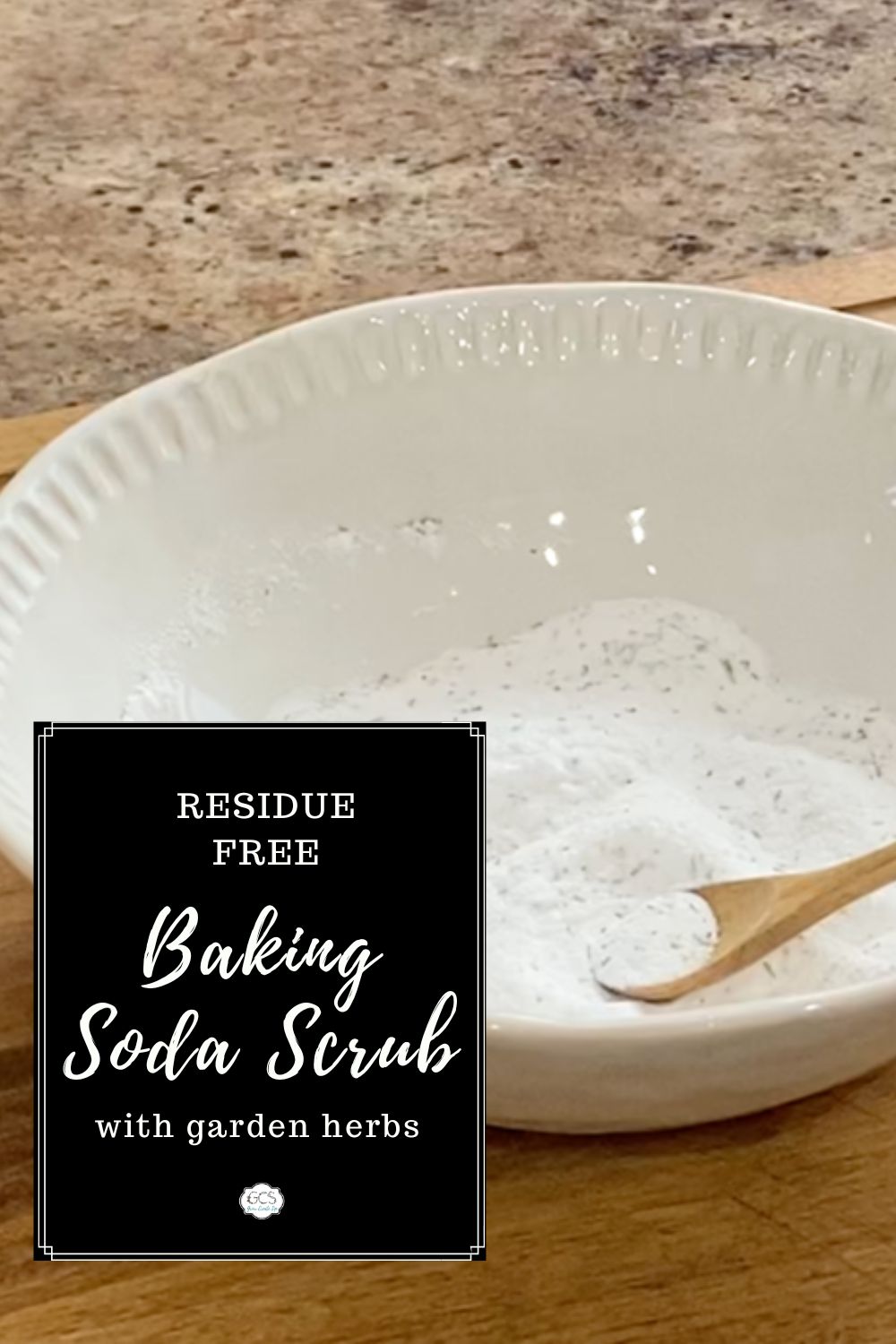
How to Make a Residue-Free Baking Soda Scrub (with Garden Herbs)
Apr 21, 2026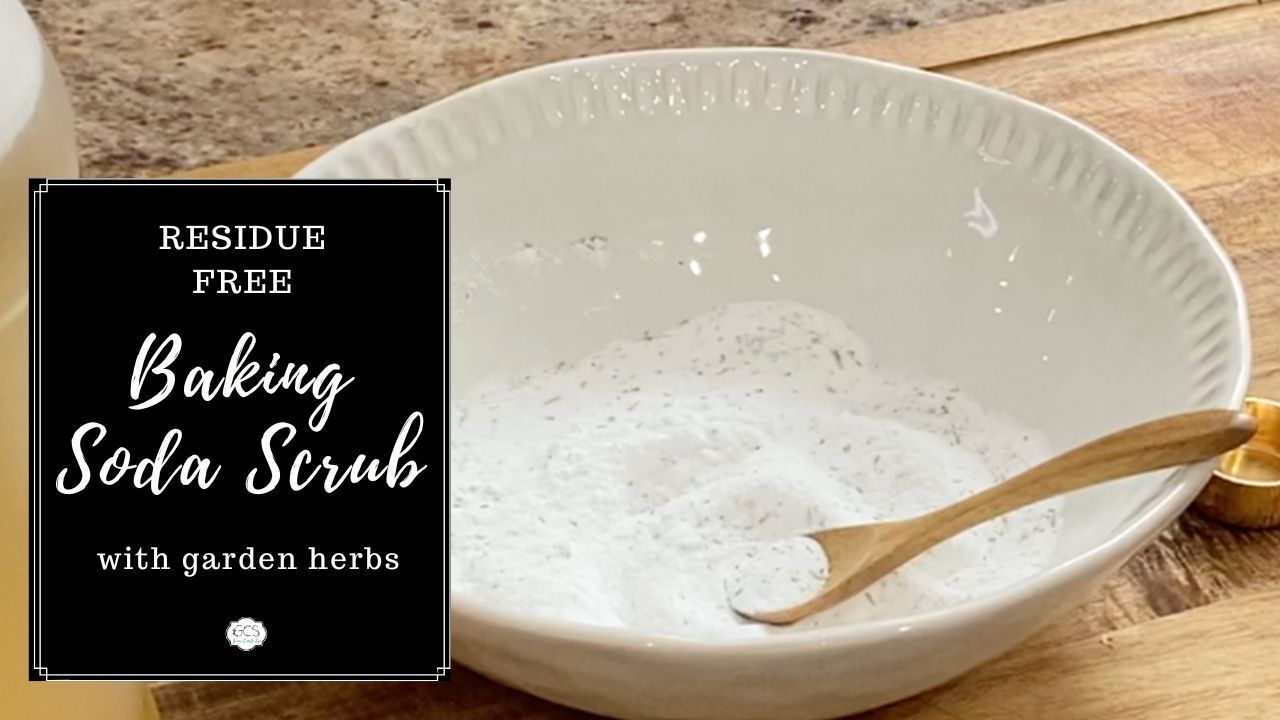
I will be the first to admit it. I used to have a love-hate relationship with baking soda scrubs. On one hand, I appreciate a non-toxic home. On the other hand, I grew tired of chasing the chalky film that often followed my cleaning. Once I understood the simple chemistry at play and the fallacy behind the fizz I loved so much, which actually keeps most people from cleaning effectively, the frustration stopped.
Stop chasing chalky residue with this practical, herb-infused baking soda scrub designed for a sparkling, non-toxic kitchen.
What is an Herbal Baking Soda Scrub?
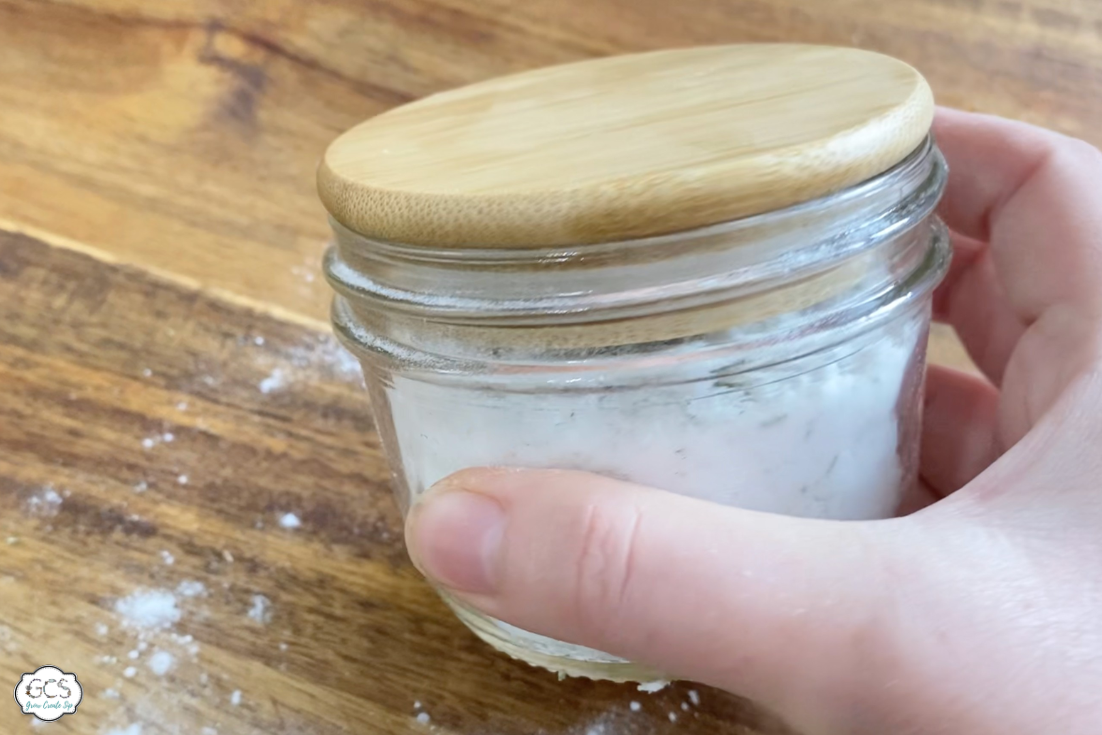
An herbal baking soda scrub is a natural cleaning paste that combines the gentle abrasive power of sodium bicarbonate with the grease-cutting properties of natural soap and botanical infusions. By using herbs like rosemary and thyme, you tap into functional plant power that utilizes natural compounds like thymol and camphor to lift grime while leaving your home smelling like a summer garden rather than a chemical lab.
The Science | The Recipe | The Herb Guide | Surface Safety | FAQ
The Legal Stuff
This blog is provided by St. Fiacre's Farm LLC for informational purposes only. It does not constitute medical advice, and you should always seek the advice of a qualified healthcare provider for any medical questions or concerns. These statements have not been evaluated by the Food and Drug Administration. This product is not intended to diagnose, treat, cure, or prevent any disease.
Please note that we may earn a small commission on any purchases you make through our affiliate links, at no additional cost to you. Thank you for your support.

The Science of the Fizz That Isn't True
We have all mixed baking soda and vinegar in a bowl, watched it bubble, and thought, “Look at that cleaning power!” However, this is a common chemistry mistake.
If we think of it like baking, when we use baking soda in a recipe with an acid (like sourdough starter or buttermilk), that immediate "fizz" is what provides that quick boost of lift. But once the bubbles stop, that specific chemical reaction is over. If you mix your soda into your starter and let it sit on the counter until the fizzing dies down completely, you've wasted that "extra" spring before the bread even hits the oven.
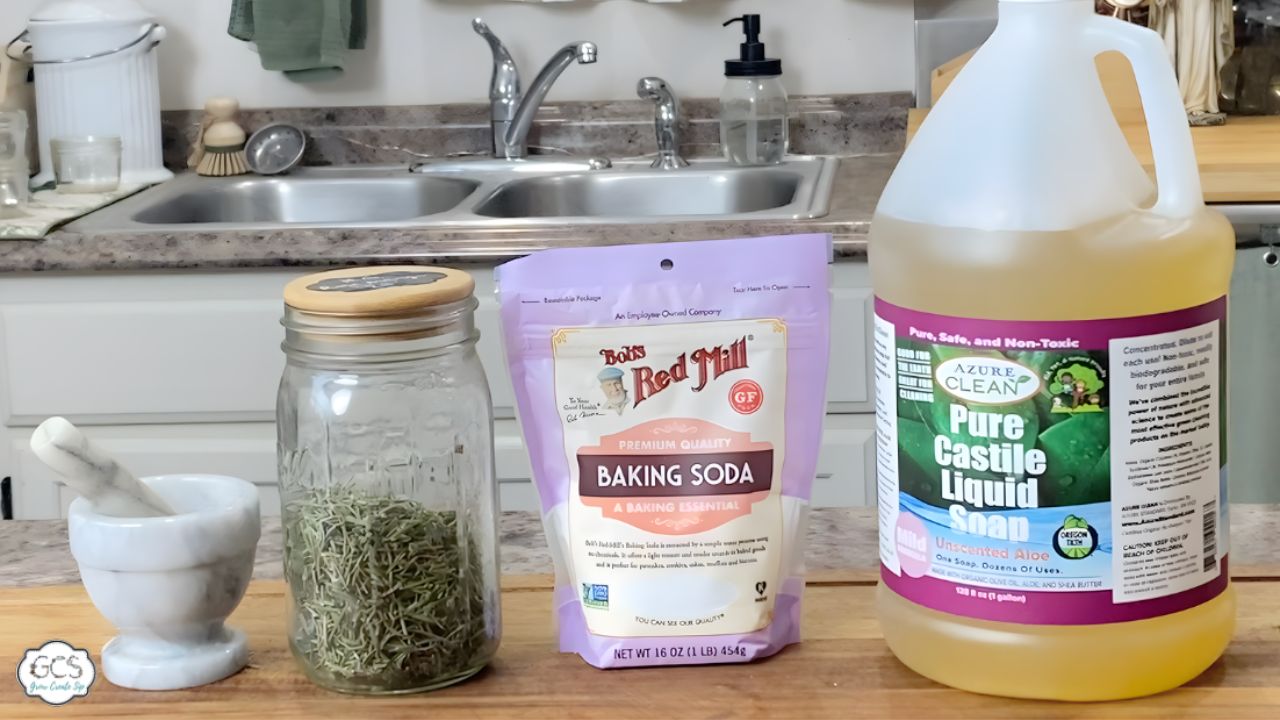
While the wild yeast in your sourdough would still carry the weight of the rise, you’ve lost that immediate chemical boost. The same thing happens in your cleaning bowl. When you mix the vinegar and soda immediately, the dramatic fizz is just CO2 gas escaping into the air. What you are left with is mostly water and sodium acetate, which is a solution that has lost its cleaning oomph. To make a baking soda scrub that actually works, we keep the ingredients separate until the very last moment to preserve the abrasive texture and the power of the liquid castile soap, which acts as a binder to lift away dirt.
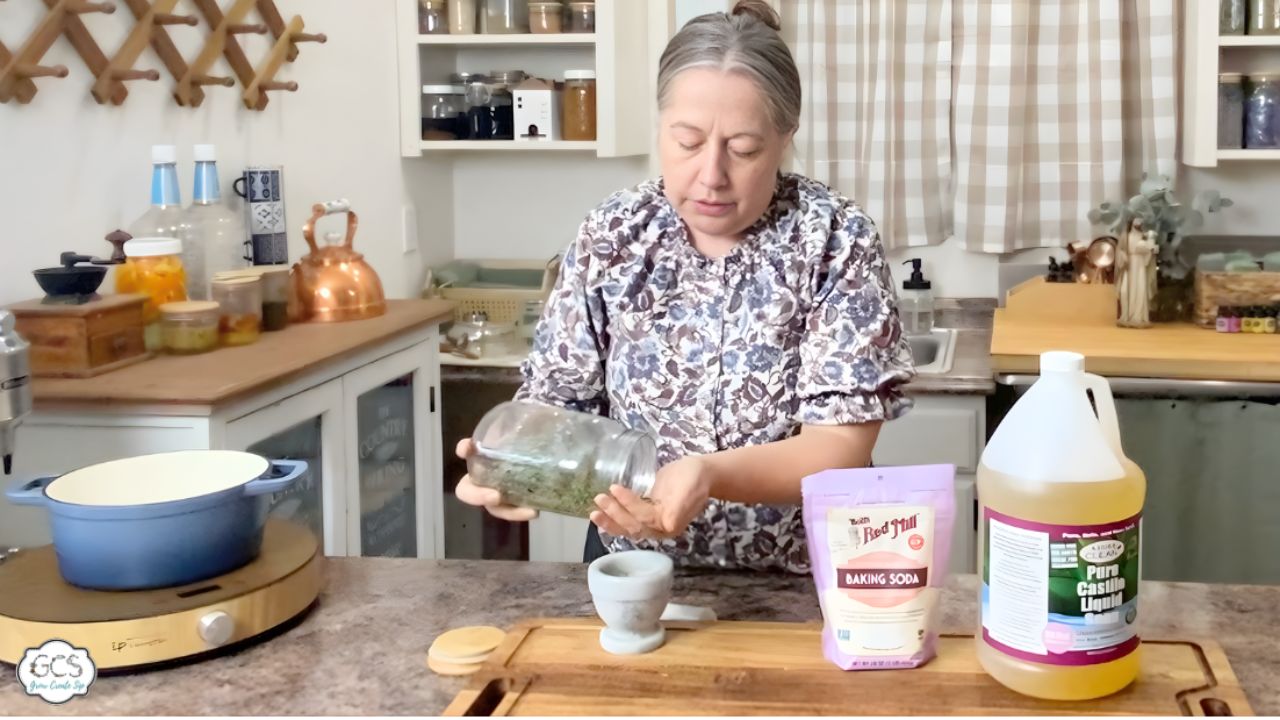
Why Add Herbs to a Baking Soda Scrub?
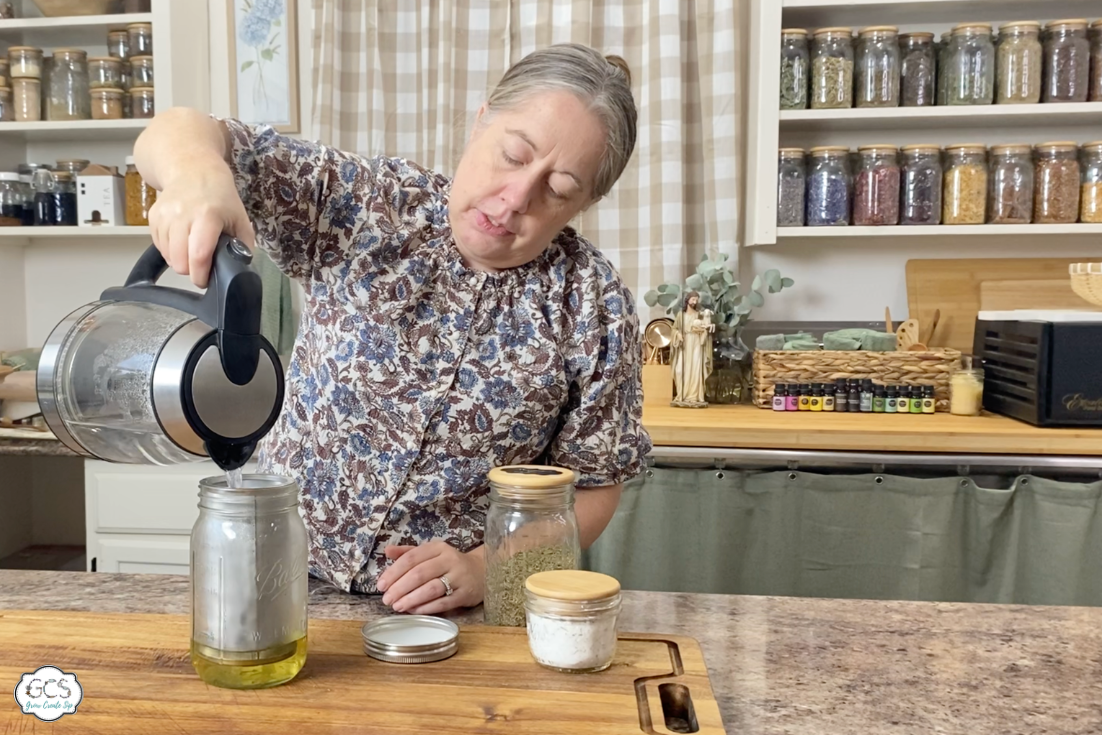
It is about more than just a tidy apothecary jar on the counter. When you mix dried or fresh herbs into a warm, damp scrub, the heat helps release their volatile aromatic compounds. Adding a botanical element to your household cleaner that you can't find in chemical cleaners.
But these herbs aren't just for scent; they bring functional plant power to your cleaning:
-
Thyme: Contains thymol, which has been used in traditional cleaning for generations.
-
Rosemary: Contains camphor, a natural compound that provides mild degreasing properties. Rosemary contains camphor for mild degreasing. If you're growing your own, check out our guide on
Rosemary Bush Care -
Lemon Peel: Rich in limonene, a powerful natural solvent often found in commercial cleaners.
By encouraging the herbs to release these surface-active components into the mixture, you get a kitchen that smells clean without the need for synthetic perfumes.
Functional Botanicals: Choosing Your Herb
Different herbs offer different benefits for the domestic apothecary. Use this "cheat sheet" to customize your baking soda scrub:
| Herb | Primary Compound | Best Use Case |
|---|---|---|
| Thyme | Thymol | Bathroom surfaces and deep cleaning. |
| Rosemary | Camphor | Kitchen grease and stovetops. |
| Lemon Peel | Limonene | Cutting through oily residue. |
| Peppermint | Menthol | Refreshing bathrooms; natural deterrent. Peppermint is traditionally used for its cooling properties and as a natural deterrent in the home; it's one of our Top 10 Herbs Every Home Apothecary Needs. |
Scrub or Skip? Protecting Your Surfaces
While we love the grit of a good baking soda scrub, we have to be mindful of the shine on our surfaces. In the world of science, they use the Mohs Scale to rank what can scratch what. Since baking soda is a mild abrasive (rated 2.5), it’s safe for the hard finishes in our home, but it can act like sandpaper on the delicate ones.
Where to Scrub (The Hard Surfaces):
-
Stainless Steel & Ceramic Sinks: These are much tougher than the scrub. You can use it to lift tea stains or grease without leaving a single mark on the finish.
-
Glass Cooktops: This is my favorite use. The tempered glass on a stove is incredibly hard, much harder than the baking soda, so you can scrub away burnt-on spills without scratching the glass.
-
Grout: It's perfect for getting the gray out of those porous lines between tiles.
Where to Skip (The Delicate Surfaces):
-
Marble & Natural Stone: Although it feels like solid rock, marble is very sensitive to polish. Using any abrasive can etch the surface, which is just a fancy way of saying it wears down the shine until the stone looks cloudy and dull.
-
Polished Wood: This scrub will act like fine-grit sandpaper and strip your finish right off.
-
Antique China: Keep the apothecary scrubs away from the gold-rimmed heirlooms, like tea cups!
Tips & Fixes
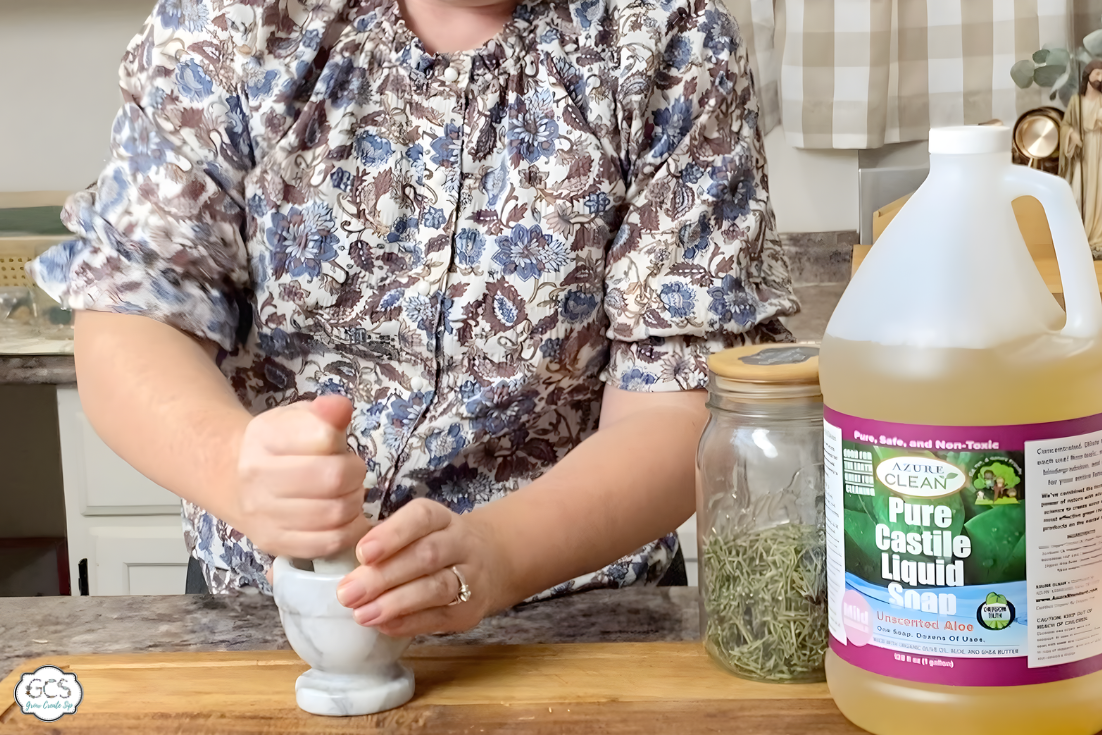
- The Fine Grind: To avoid a bunch of dried herbs in your drain, ensure your herbs are ground into a fine powder before adding to the soda.
- Storage: Since this uses a water-based infusion, it is best used fresh. For a shelf-stable option, keep your dry mix (soda + herbs) in a jar and add the liquid only when you are ready to clean.
- Ensure your herbs are fully dried before grinding to prevent spoilage.
Questions Often Asked About Soda Scrub
Why shouldn't I mix the vinegar into the baking soda scrub paste?
Mixing them beforehand neutralizes the pH. You want the high pH of the baking soda to clean, and the low pH of the vinegar to rinse. Keeping them separate ensures you get the benefits of both.
Is this safe for septic systems?
Yes. This formula is completely biodegradable and free of the harsh antimicrobials that can disrupt septic bacteria.
Can I use this on my glass-top stove?
Yes. Baking soda is softer than the tempered glass used on cooktops, making it an ideal non-scratch cleaner for burnt-on food.

Building Your Natural Pantry
When we understand the simple chemistry of what is already in our garden, the work of the home becomes more intentional. Cleaning doesn't have to be a chore that requires a mask and gloves; it can be a way to bring the functional beauty of the garden indoors. Ready to stock your home with more homemade cleaners and other pantry goodies? Grab our Homestead Pantry Herbs E-Book for a complete guide to using common kitchen staples for home care and wellness.
Read More About Natural Cleaning
- How to Make an Herbal Cough Syrup Without Elderberry
- Top 10 Herbs Every Home Apothecary Needs
- DIY Salve & Infused Oil Recipes
- Uses for Rose Petals: Rose Water & Beyond
- The Best Herbs for Detoxing the Liver
- Rosemary Bush Care and DIY Rosemary Tea