Spring Farmhouse Simmer Pot Recipes
Jan 27, 2026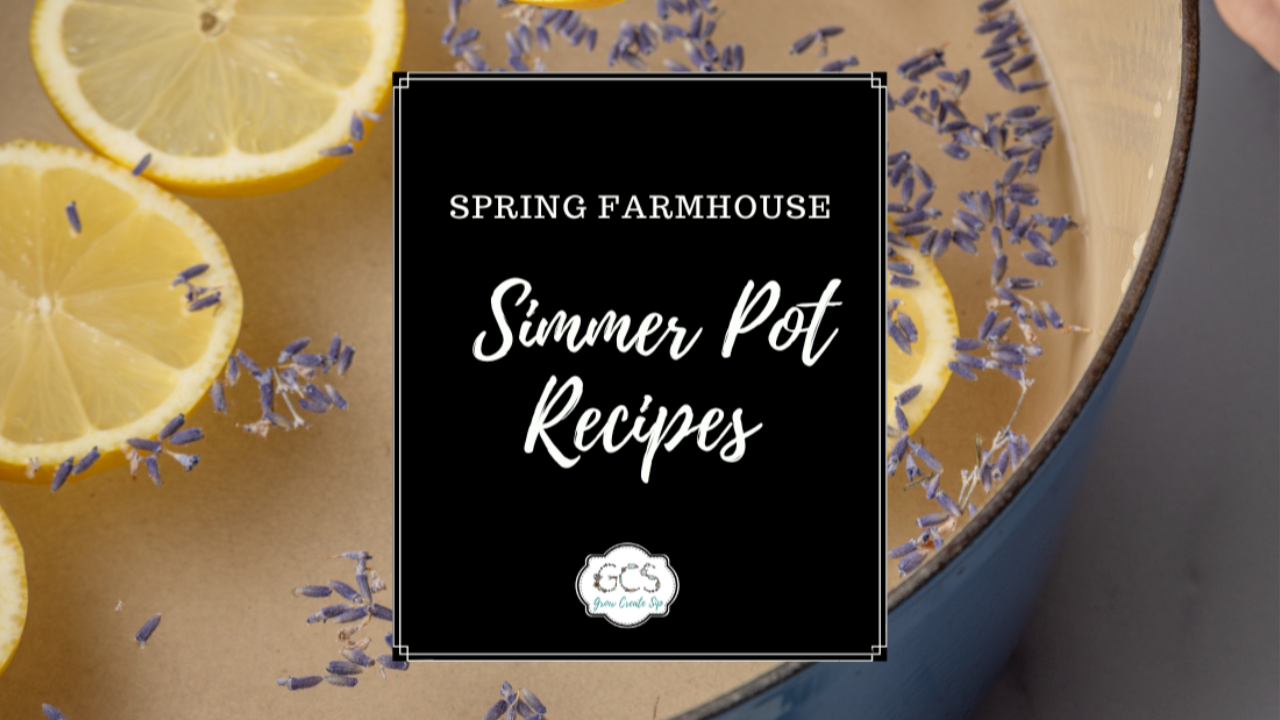
By early February, spring simmer pots start to come out in our house.
Winter has usually overstayed its welcome by then. The house is beginning to feel stagnant, and everyone is experiencing some level of cabin fever. Here in rainy northwest Oregon, people often spend more time indoors than outdoors. The light is slowly returning, but the weather still keeps us close to home.
It’s a season that calls for a cozy refresh. The wood stove often runs well into spring and keeps the house warmer than it is in summer. On many days, the windows are cracked just enough to let fresh air move through. That combination of warmth and circulation does a lot for both the house and the mind.
This is when simmer pots earn their place.
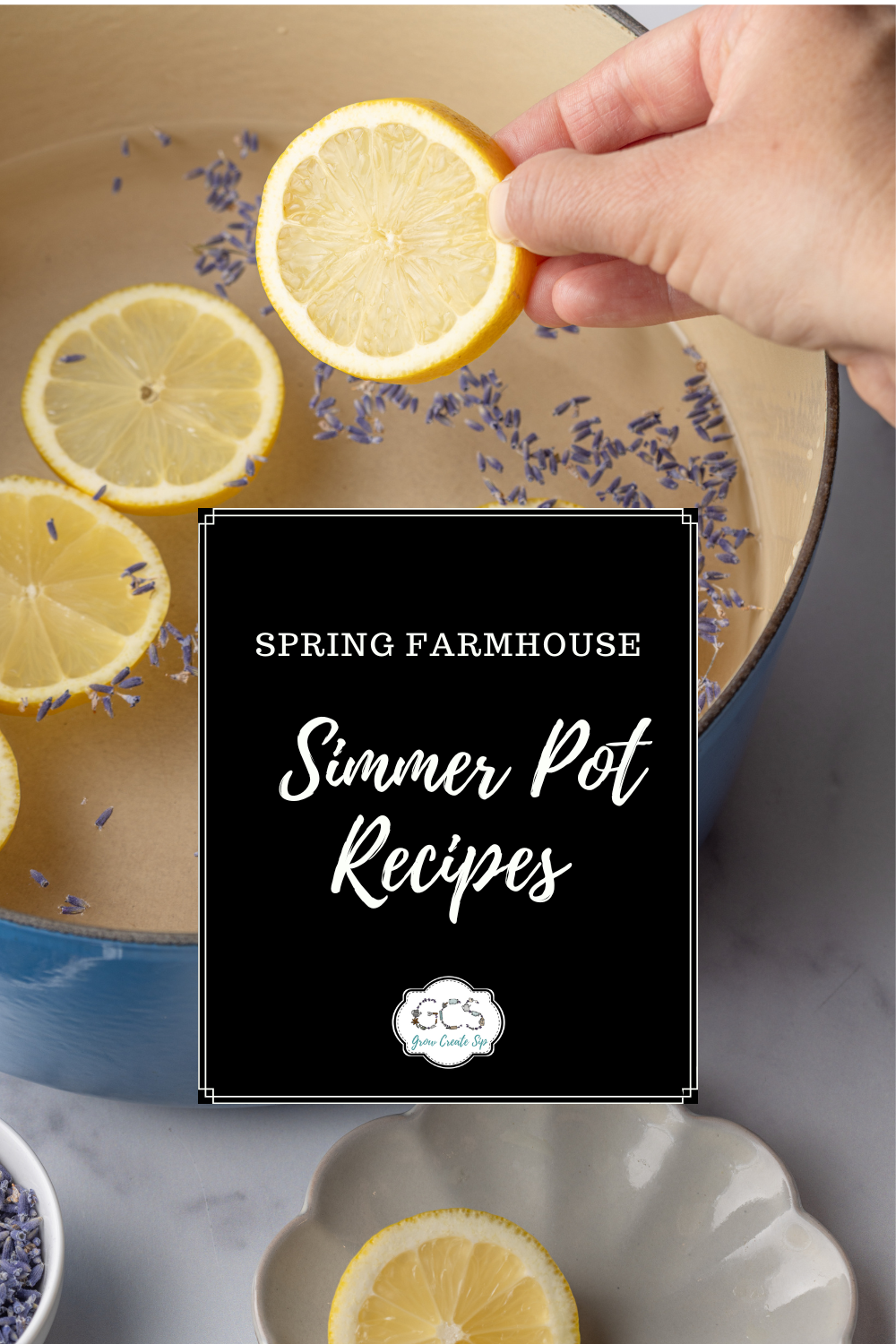
In this post, you’ll learn why simmer pots are especially useful in late winter and early spring, what ingredients work best for a fresh spring scent, where to set a simmer pot safely, and how to make my simple Lavender Lemon Spring Simmer Pot.
Jump to why simmer pots | Jump to spring ingredients | Jump to where it lives | Jump to Lavender Lemon recipe | Jump to FAQs | Jump to Final Thoughts
The Legal Stuff
This blog is provided by St. Fiacre's Farm LLC for informational purposes only. It does not constitute medical advice, and you should always seek the advice of a qualified healthcare provider for any medical questions or concerns. These statements have not been evaluated by the Food and Drug Administration. This product is not intended to diagnose, treat, cure, or prevent any disease.
Please note that we may earn a small commission on any purchases you make through our affiliate links, at no additional cost to you. Thank you for your support!
Why Simmer Pots in Early Spring
Simmer pots tend to show up on quiet days at home, usually when I’m in a cleaning mood and determined to reset things and put them back in order. They work alongside that rhythm without demanding attention, a spring cleaning of sorts.
I reach for simmer pots instead of candles or essential oil diffusers for a few reasons. Beeswax candles are something I save for darker, longer days, and essential oils can be both expensive and overpowering. They also require large amounts of plant material to produce, and that’s not something I can really distill on our smaller property.
Simmer pots offer a slower, more natural scent that builds gently, using whole herbs and citrus in a way that feels practical and grounded. They freshen the air without overwhelming it.

Spring Ingredients I Reach For
Inspiration, Not a Formula
When I’m putting together a spring simmer pot, I don’t follow a recipe so much as I follow what’s available and what the house needs that day. These are some of the combinations I reach for most often in late winter and early spring.
- Lemon slices with fresh rosemary
- Lemon peel and dried lavender buds
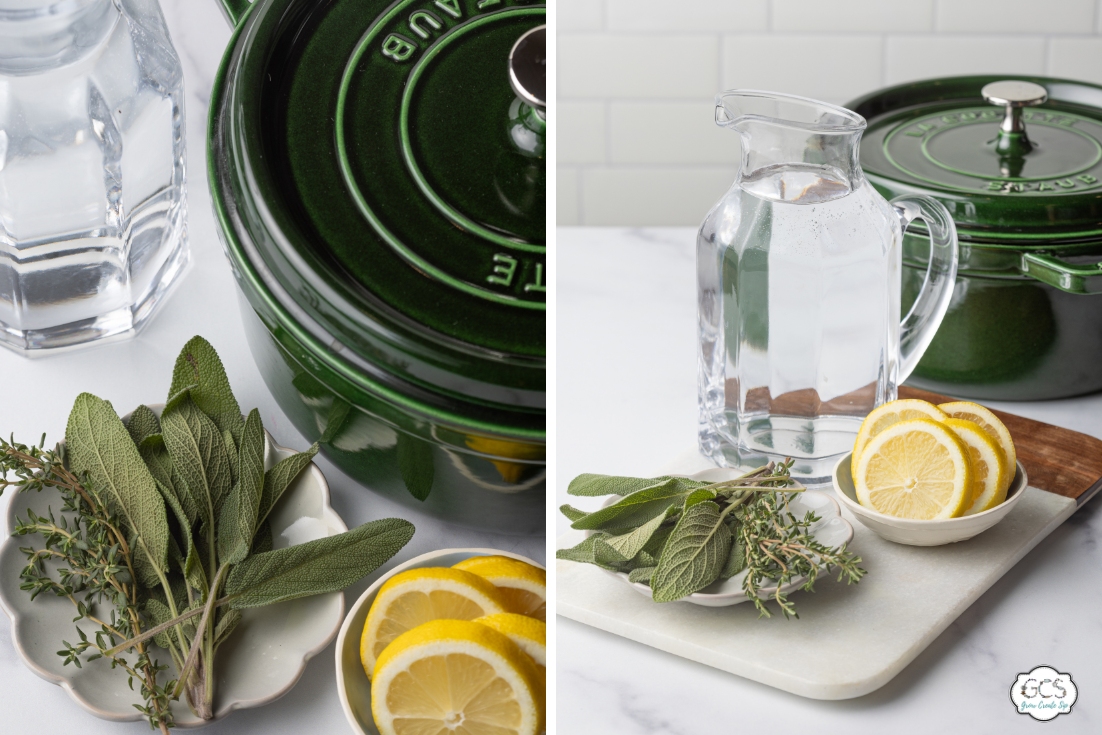
- Lemon, sage, and a small handful of thyme
- Grapefruit peel with rosemary and lavender
- Lime slices with sage
- Lemon peel and rose petals saved from the previous season
- Lemon and bay leaf for a clean, simple scent
- Lemon with whatever fresh herbs are coming on in the hoop house
These are meant to be mixed loosely. One or two ingredients are often enough.
I prefer fresh herbs when possible because they carry more of their natural oils, but dried herbs work just fine when fresh ones aren’t available.
What I skip in spring are the heavier winter ingredients. Spices like cinnamon, nutmeg, and clove, along with oranges and cranberries, feel better saved for fall and winter when the house needs that kind of warmth.
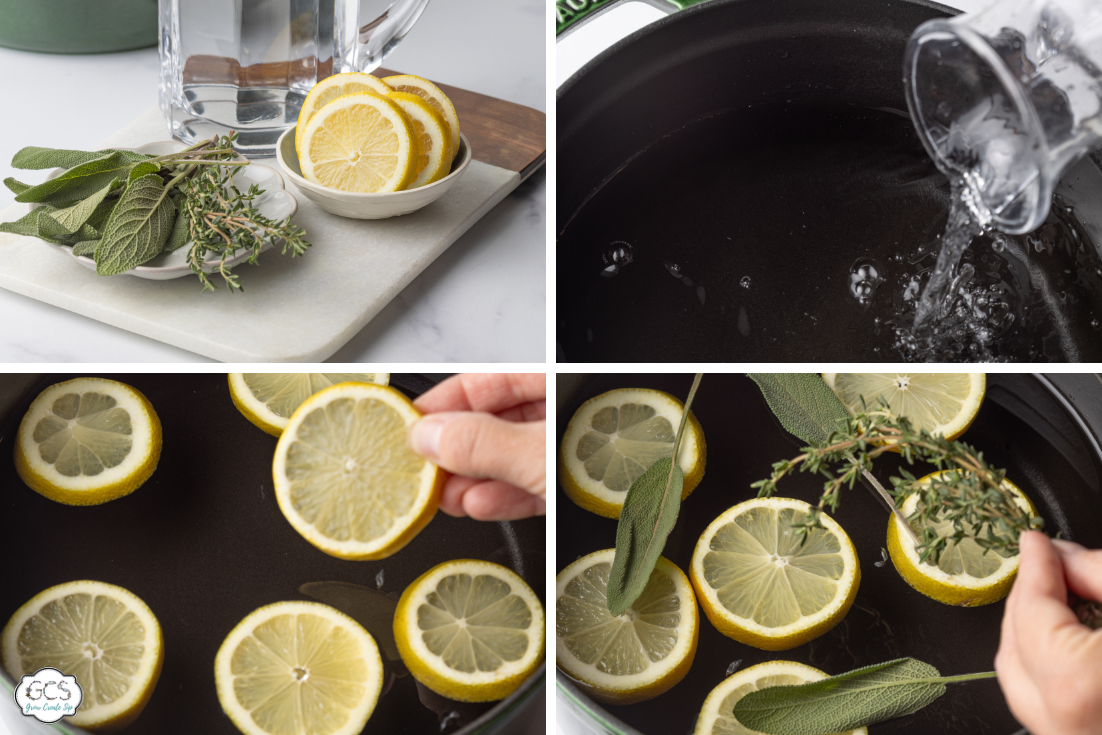
Where the Simmer Pot Lives
Here on the farm, the simmer pot usually sits right on top of the wood stove, which is often going until May. If I’m working in the harvest kitchen, an electric burner works just as well. A slow cooker is another good option if you want something that can sit safely for an extended period.
When it’s on the wood stove, I’ll let a simmer pot go most of the day, refreshing it with water as needed so it doesn’t run dry. On an electric burner, I usually keep it to a few hours at a time so I don’t forget about it and damage the pot.
This time of year, simmer pots are mostly for us. During Lent, we don’t host many guests, and that’s fine. These pots quietly do their work in the background, lifting the feel of the house without being put on for show.
After It’s Finished
When the pot is finished, I usually compost the ingredients and let the chickens pick through what’s appropriate, keeping citrus separate. Simmer pot leftovers, compost well, and return to the soil, which feels fitting for something meant to freshen the house during a seasonal reset.

Commonly Asked Questions about Simmer Pots
Do simmer pots actually clean the air?
They don’t disinfect the air, but they do help refresh stale indoor air and replace lingering odors in a gentle, natural way.
Can I reuse the same ingredients more than once?
You can refresh a simmer pot throughout the day by adding water, but it’s best to start fresh the next day for the best scent.
How long should a simmer pot stay on?
As long as it’s supervised and kept from running dry. On the wood stove, it can go most of the day. On an electric burner, a few hours at a time is safer.
Are simmer pots safe around children?
They should be treated like any pot of hot water. Kept on a back burner or out of reach, they’re generally safe with supervision.
Can I dehydrate simmer pot blends ahead of time?
Yes. Many ingredients can be dried and stored together, making them easy to use later or package as seasonal gifts.
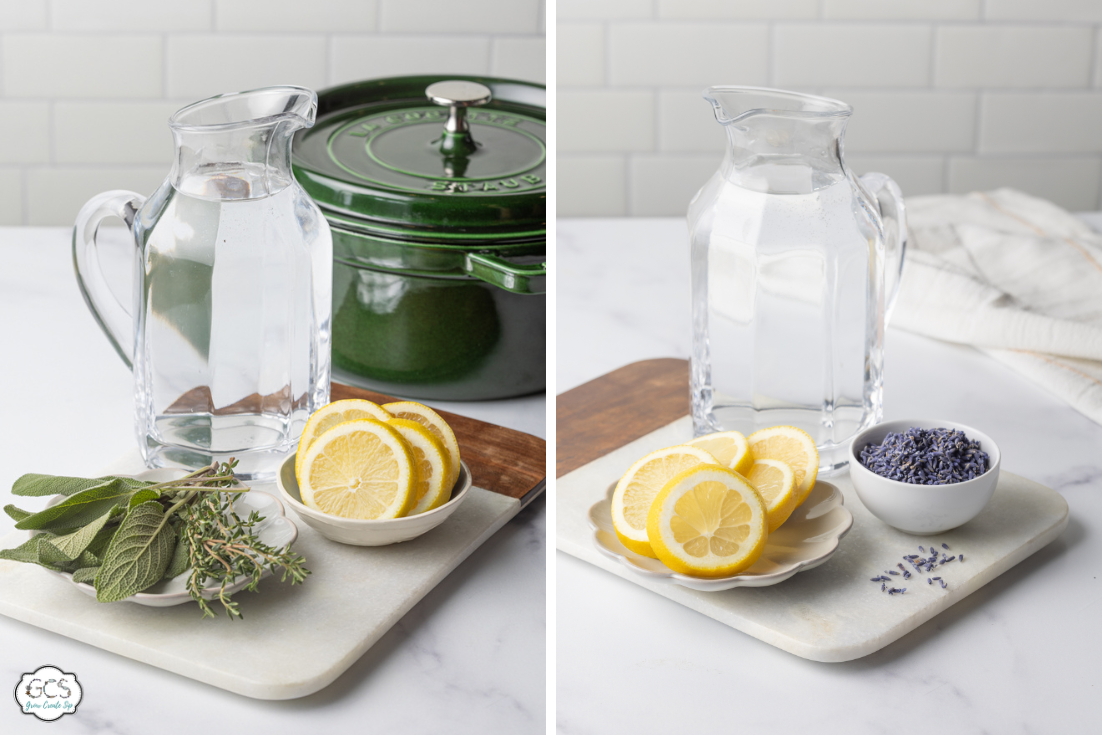
Brighten Your Home and Spring Days
What I appreciate most about simmer pots is how simple they are. There’s no measuring, no special tools, and no need to turn it into a project. It’s an easy way to bring herbalism into everyday home life using what’s already on hand.
These blends can also be dehydrated and packaged as simple gifts. They make thoughtful Easter hostess gifts that feel useful and decorative.
By early February, the house doesn’t need more warmth. It needs movement. A simmer pot is one small way to shift the air, reset the space, and make staying inside feel lighter without pretending it’s spring already. It’s simple, repeatable, and easy to return to on the next gray day. If you would love to learn more about using herbs you have on hand, make sure to check out our Homestead Pantry Herbalism E-book. A great resource of recipes and a quick pantry guide to how herbs in your pantry may be used medicinally.
Read More About Bringing Herbs into the Home
- DIY Lip Balm Recipes
- Healing Herbal Honey at Home
- Easy Homemade Seasoning Mixes for Spring
- Lemon Dill Probiotic Dressing
- Elderberry Lemon Chai Pudding Recipe
- How to Make Herbal Ice Cream at Home