Beyond Pie: How to Use Rhubarb in Spring Cooking & Drinks
Feb 24, 2026
Rhubarb is one of the first truly fresh foods to appear after winter. Long before berries or tender greens are ready, their bright stalks push up through cold soil, offering a sharp, clean flavor that feels well-suited to the season.
Rhubarb isn't just for pie! Its natural tartness and bright flavor make it a powerhouse for spring drinks, sauces, and savory meals. Learn how to use it beyond dessert with this guide.
What is Rhubarb?
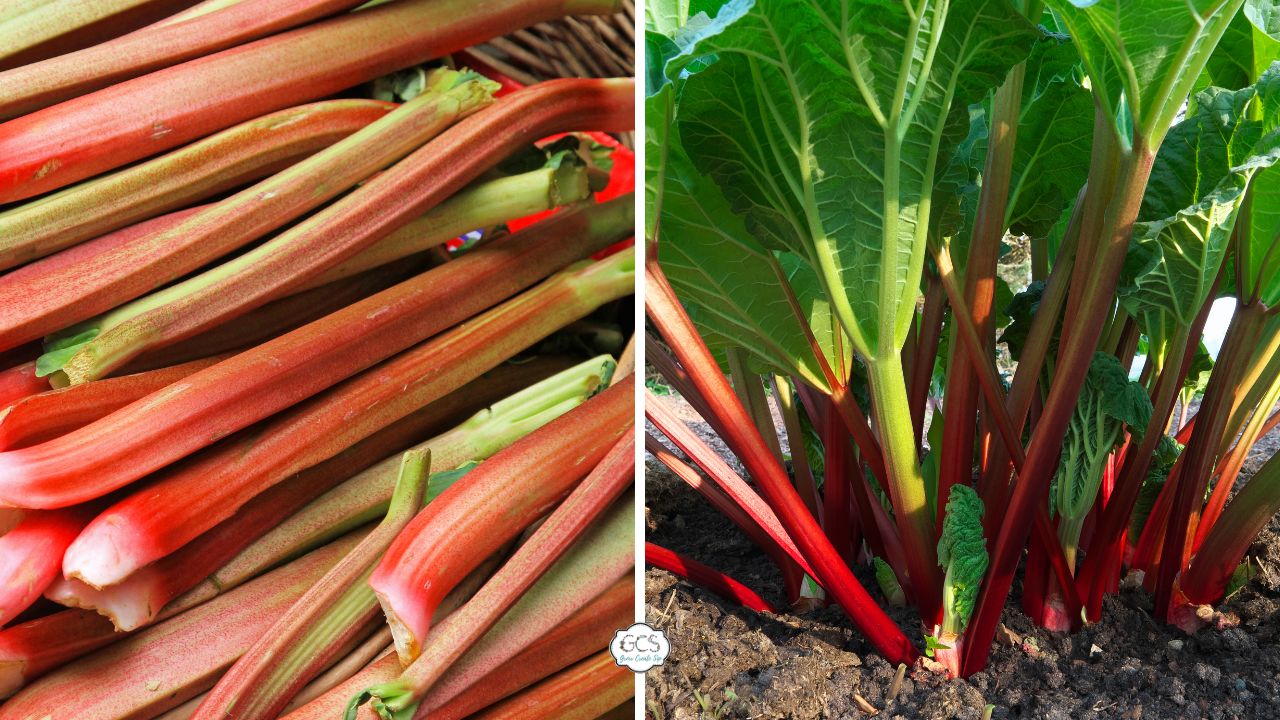
Rhubarb (Rheum rhabarbarum) is a cold-hardy perennial vegetable grown for its edible, tart pink or green stalks. Often treated as a fruit in culinary applications, rhubarb is harvested in early spring and is rich in fiber and vitamin K. While the stalks are a farmhouse kitchen staple, the leaves contain high levels of oxalic acid and are toxic, meaning only the stems should be consumed.
How to Grow Rhubarb at Home | Ways to Use Rhubarb in Your Spring Kitchen | Questions from the Farmhouse Table | Wrapping It Up in the Kitchen
The Legal Stuff
This blog is provided by St. Fiacre's Farm LLC for informational purposes only. It does not constitute medical advice, and you should always seek the advice of a qualified healthcare provider for any medical questions or concerns. These statements have not been evaluated by the Food and Drug Administration. This product is not intended to diagnose, treat, cure, or prevent any disease. Please note that we may earn a small commission on any purchases you make through our affiliate links, at no additional cost to you. Thank you for your support!
Rhubarb: The Unsung Hero of Spring Produce
For many households, rhubarb is tied almost exclusively to pie. But limiting it to dessert overlooks what makes rhubarb so useful. Its tartness, high water content, and quick-cooking nature lend themselves just as easily to drinks, sauces, and simple kitchen preparations that fit naturally into spring meals.
Used thoughtfully, rhubarb becomes less of a special-occasion ingredient and more of a working staple during its short season. If you are looking to expand your spring garden, consider how it fits into a well-planned herbalist garden.
A Few Things Worth Knowing About Rhubarb
Only the stalks are used in the kitchen. The leaves are toxic and should never be eaten. Fresh rhubarb is sharply tart, with a clean, almost citrus-like bite. When cooked, it softens quickly and releases both liquid and color, making it especially useful for herbal simple syrups.
Rhubarb is typically harvested from early spring into early summer, with the most tender stalks appearing before the heat of midsummer. Because the season is brief, many cooks look for flexible ways to use it while it is abundant. It pairs particularly well with ginger, strawberries, mint, lemon, honey, and vanilla, as well as with savory ingredients such as onions and herbs.

Rhubarb in Traditional Use
In herbal literature, it is important to distinguish clearly between garden rhubarb, commonly grown for its edible stalks, and medicinal rhubarb, which refers to the dried roots and rhizomes of species such as Rheum palmatum and Rheum officinale. Rheum palmatum is also known as Chinese rhubarb or Turkey rhubarb in classical herbal texts and trade references.
The stalks of garden rhubarb are treated as a seasonal food rather than a medicine. Historically, they were valued for their tart, refreshing quality and for their role in spring diets after winter-stored foods. By contrast, medicinal rhubarb root is a potent purgative and is not interchangeable with culinary rhubarb. Only the stalks are eaten; the leaves of all rhubarb species are toxic and should never be consumed.
Growing Rhubarb at Home
Rhubarb is a hardy perennial that, once established, requires very little attention. It prefers full sun to partial shade, rich soil, and consistent moisture, but it is forgiving in most garden settings. Plants are typically started from crowns rather than seed and may take a year or two to settle in before producing heavily. Harvest is done by pulling or cutting stalks at the base in spring and early summer, stopping before midsummer so the plant can store energy for the following year.
Why Rhubarb Belongs on the Spring Table
Spring meals tend to shift away from the heaviness of winter. Rhubarb fits this transition naturally. The stalks are mostly water, which contributes to their refreshing quality, and they contain enough fiber to make foods feel satisfying without being dense. This really helps the body with the transition from winter to spring in digestion. Their tartness brightens otherwise simple dishes and helps balance sweetness without excess sugar.
Everyday Ways to Use Fresh Rhubarb
Rhubarb does not require complicated recipes to be useful. Cooked with ginger and onion, it can be spooned over pork, chicken, or roasted vegetables like a tart chutney. Lightly sweetened, it becomes a soft compote for yogurt, cottage cheese, or oats, especially when paired with strawberries. Simple syrup is one of the most efficient ways to preserve rhubarb’s flavor. It can be stirred into iced tea, sparkling water, or used to sweeten herbal kombucha. For the best flavor, we always recommend balancing that tartness with pure raw honey.
Questions from the Farmhouse Table
How do I freeze fresh rhubarb?
Chop it into 1/2-inch pieces, spread on a baking sheet, and freeze until solid. Then transfer to a freezer-safe bag.
Can I use green rhubarb stalks?
Yes, color doesn’t determine ripeness. Some varieties stay green even when fully mature.
Why is my rhubarb stringy?
That usually means the stalks are older. Peel if needed or cook longer to soften.
Is rhubarb good for digestion?
Yes, its water and fiber content help support digestion, especially during seasonal transitions.

Wrapping It Up in the Kitchen
Rhubarb does not need to be reserved for pie to earn its place in the spring kitchen. Used simply, it adds brightness, balance, and freshness at a time of year when lighter foods feel more welcome. Whether simmered into syrup, stirred into sauces, or poured into a glass, rhubarb is one of the most adaptable early-season ingredients to keep close at hand.
And if you're ready to explore more tea-based recipes like this one, be sure to grab our free Cooking with Tea E-book here for more fabulous recipes!
Read More About Rhubarb & Spring Living
- How to Make Herbal Kombucha (During 1st Ferment)
- Herbal Simple Syrup Recipes: Lavender, Vanilla & More
- Red Clover: A Simple Spring Herb for the Home Apothecary
- Spring Farmhouse Simmer Pot Recipes
- Herbal Tea for Allergies (Fight Seasonal Allergies)
- Easy Homemade Seasoning Mixes for Spring