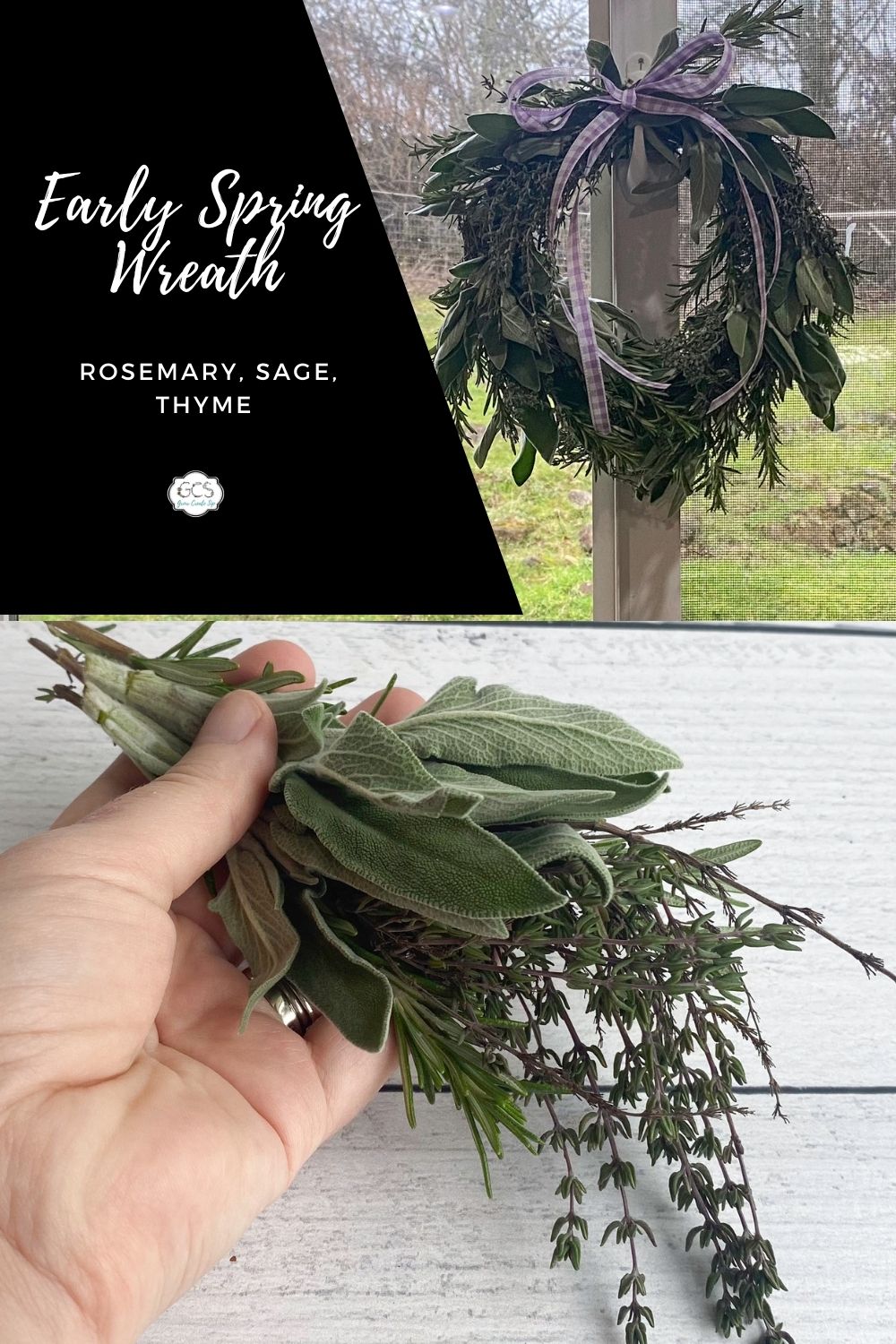
How to Make an Early Spring Herbal Wreath with Rosemary, Sage, and Thyme
Feb 17, 2026
I don’t usually think about decorating for Easter until Holy Saturday. The weeks leading up to Easter are kept fairly simple in our home, and we try to let that quietness remain until the day actually arrives.
When Easter does come, we celebrate it slowly. Rather than marking it for a single day, we let the season unfold over several weeks. That gradual shift from restraint into celebration feels more intentional.
In 2026, Easter falls in April, which means the garden is often still waking up. Here in rainy northwest Oregon, early spring can feel undecided. Too early for much harvesting, but far enough along that winter no longer feels endless. That is part of why I like projects that work with what is available, rather than waiting for everything to be in full growth.
This wreath is one of those projects. It is simple, all-natural, and useful. It brings the scent of the garden indoors using herbs that are sturdy and familiar. Because it hangs rather than taking up table space, it fits especially well when preparing for Easter brunch.
In this guide, you’ll learn how to make an early spring herbal wreath using rosemary, sage, and thyme, with step-by-step instructions, variations, and practical tips for working with fresh herbs.
Jump to what this is | Jump to no-garden option | Jump to hospitality notes | Jump to herb choices | Jump to wreath instructions | Jump to photo steps | Jump to substitutions | Jump to tips | Jump to hanging & care | Jump to more ideas | Jump to closing

The Legal Stuff
This blog is provided by St. Fiacre's Farm LLC for informational purposes only. It does not constitute medical advice, and you should always seek the advice of a qualified healthcare provider for any medical questions or concerns. These statements have not been evaluated by the Food and Drug Administration. This product is not intended to diagnose, treat, cure, or prevent any disease.
Please note that we may earn a small commission on any purchases you make through our affiliate links, at no additional cost to you. Thank you for your support.
What Is an Early Spring Herbal Wreath?
An early spring herbal wreath is a wreath made from fresh, sturdy culinary herbs that can dry in place and hold their shape. It is built for those early spring weeks when the garden is only just starting to wake up.
It is a simple way to freshen the house and bring the scent of the garden indoors without needing flowers or a full harvest. Most wreaths dry in about three to seven days indoors, depending on humidity.
Instead of being showy, it is meant to feel steady and useful, which is part of why it fits the stretch between late winter and Easter so well.
Can You Make an Herbal Wreath Without a Garden?
Yes. This wreath was designed with early spring in mind, when many herbs are not yet fully growing in the garden. Rosemary, sage, and thyme help bridge that gap. They are sturdy, forgiving herbs that are easy to find at grocery stores, farmers’ markets, or local nurseries, and they work just as well whether they’re cut from your own beds or purchased for the project.
If you don’t already grow these herbs, a potted plant from the nursery is often the simplest and most affordable option. One plant usually provides enough material for a small wreath, and whatever remains can be planted afterward and enjoyed through the season.
You do not need a homestead or a hoop house to make this work. You just need a handful of familiar herbs and a willingness to use what’s available right now, which is very much in the spirit of early spring.
A Quiet Kind of Hospitality
Easter brunch in our farmhouse tends to be calm and unhurried. Some years, it is just our immediate family. Other years, we may have a few guests, but it is never crowded or rushed.
Because food already takes up so much space and attention, I prefer decorations that do not compete with the table. A wreath works well for that. Hanging something in a window, cabinet, or on a door decorates the other corners of the house and keeps the table clear for what matters most.
This wreath looks especially good hanging in a kitchen window, where the light can reach it and help it dry naturally while family gathers nearby.
Why Rosemary, Sage, and Thyme Work Well
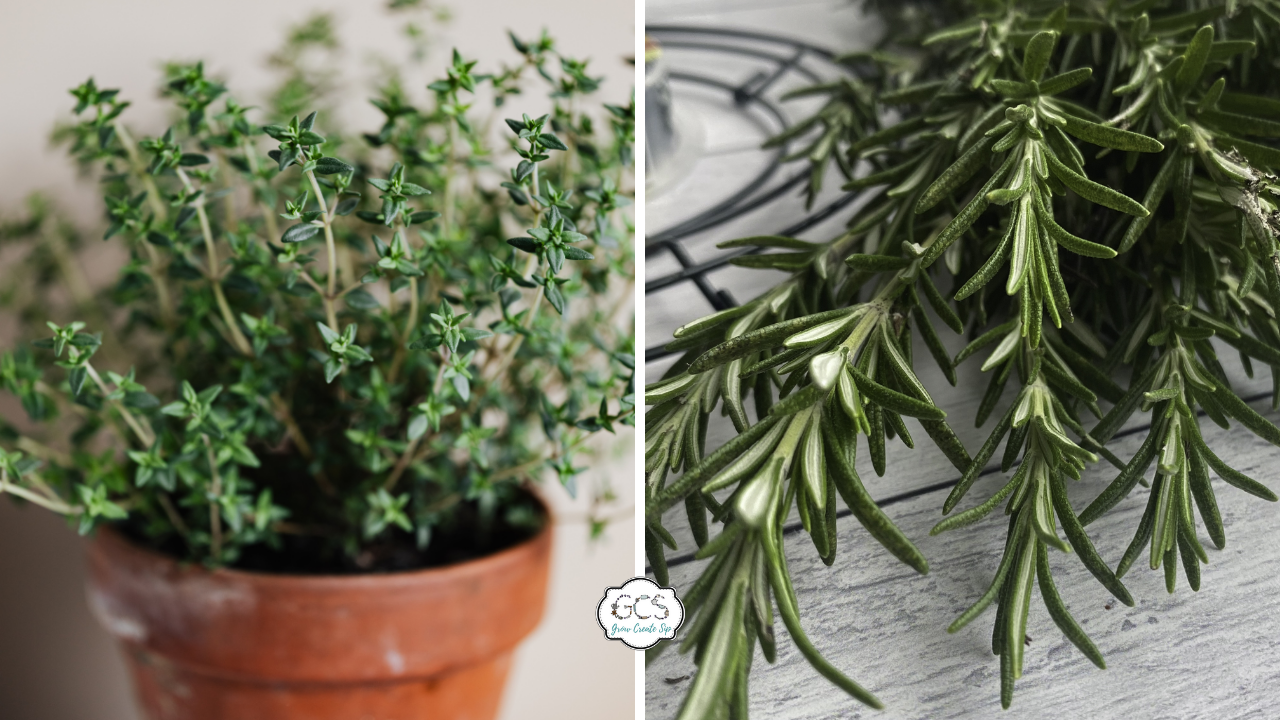
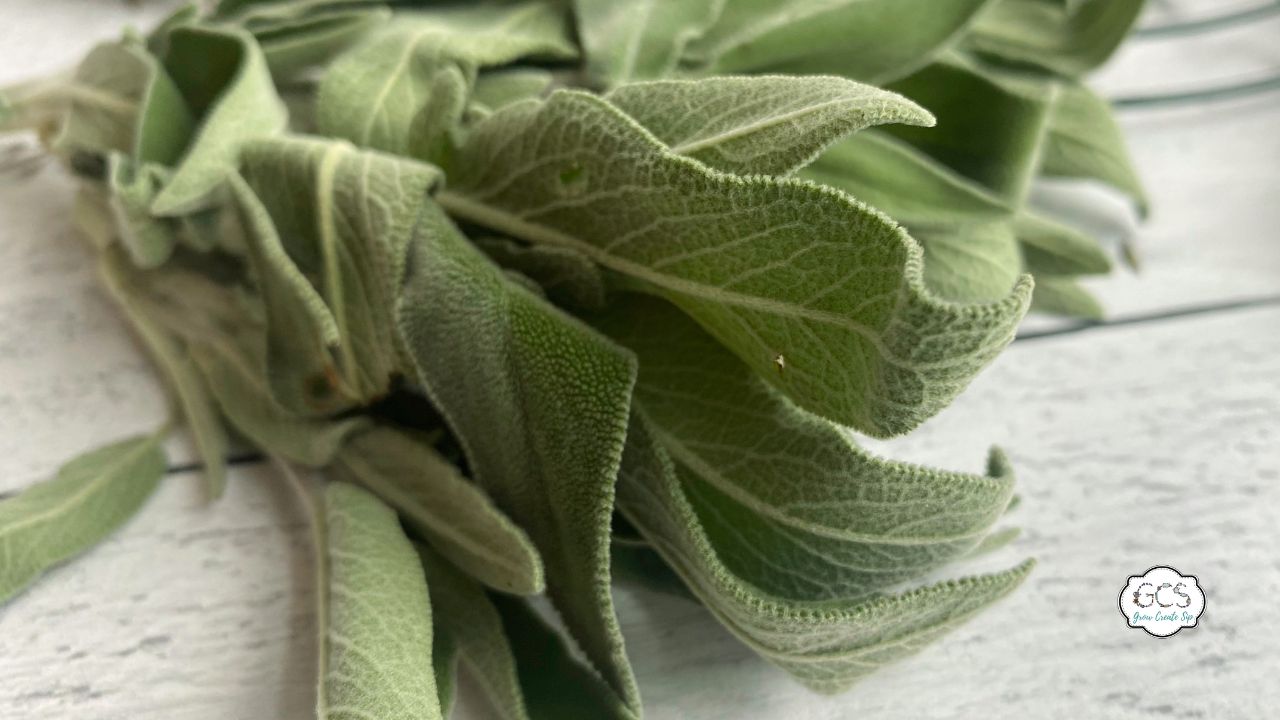
These three herbs are especially well-suited for wreath-making because they hold their shape and scent as they dry. Unlike softer spring herbs, they do not collapse when hung, making them reliable choices for this time of year.
Rosemary provides the wreath's structure and serves as a sturdy base. Sage adds softness and a muted, silvery-green color that feels right for early spring. Thyme fills in smaller gaps, adding texture and scent without taking over.
If you already grow these herbs, early spring is often when their dependability becomes most obvious. Rosemary often grows year-round in protected spaces such as hoop houses or against sunny walls. Thyme often survives winter outdoors and is one of the first herbs to show signs of life as the weather warms.
Shop Herb Seeds Here for Growing Your Own
Step-By-Step Guide
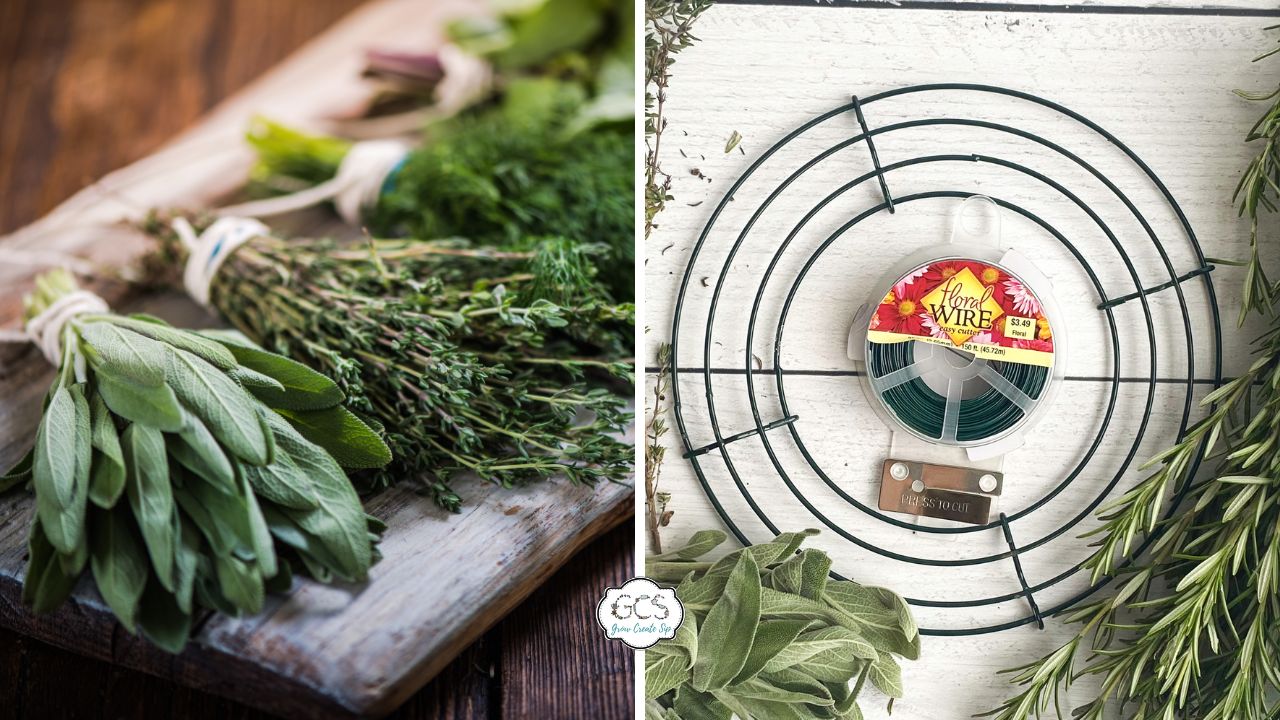
Step 1: Gather herbs, wreath base, wire or twine, and snips.
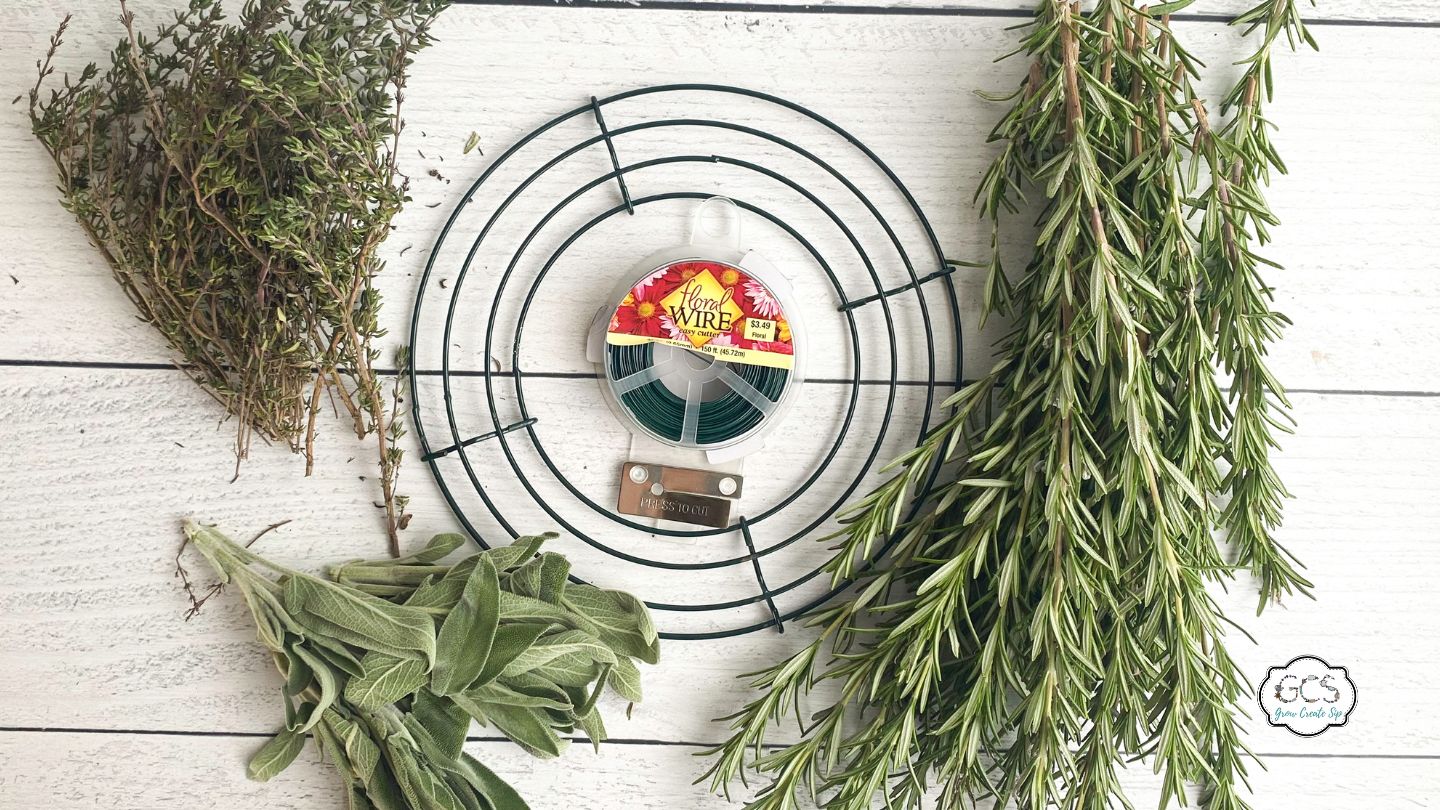
Step 2: Trim and prep stems, removing bruised leaves.
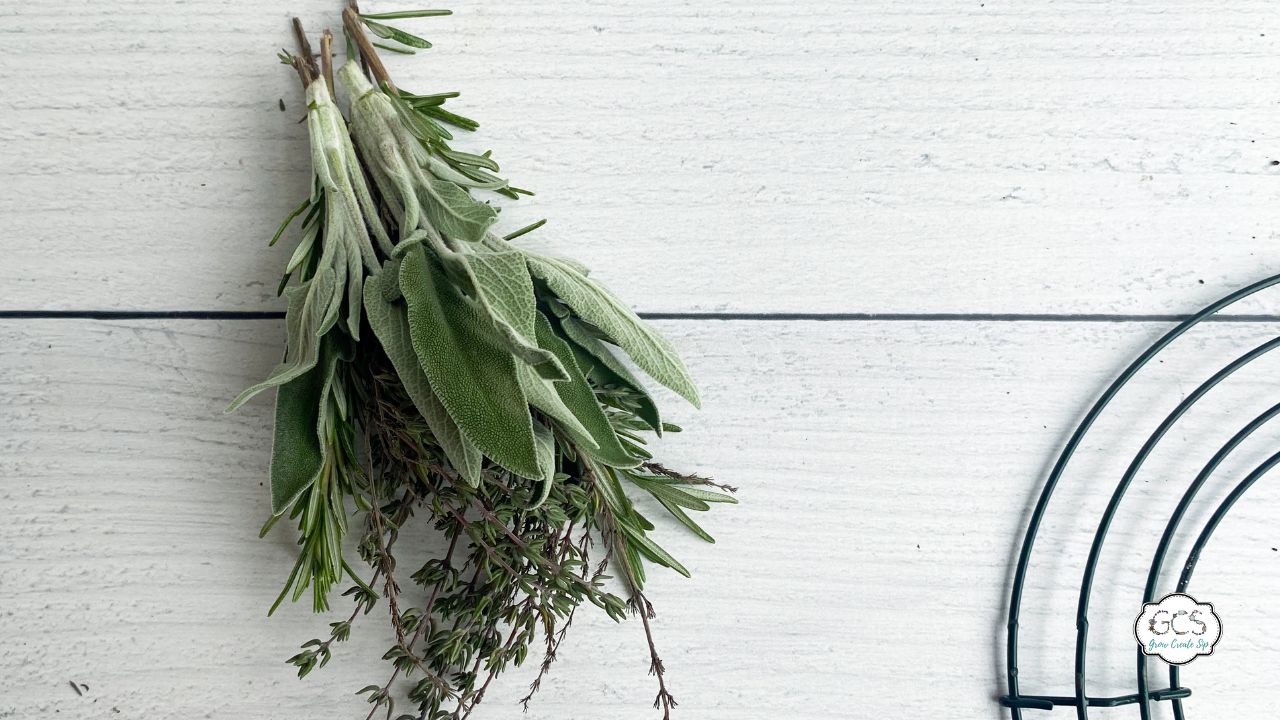
Step 3: Build small bundles using rosemary, sage, and thyme.
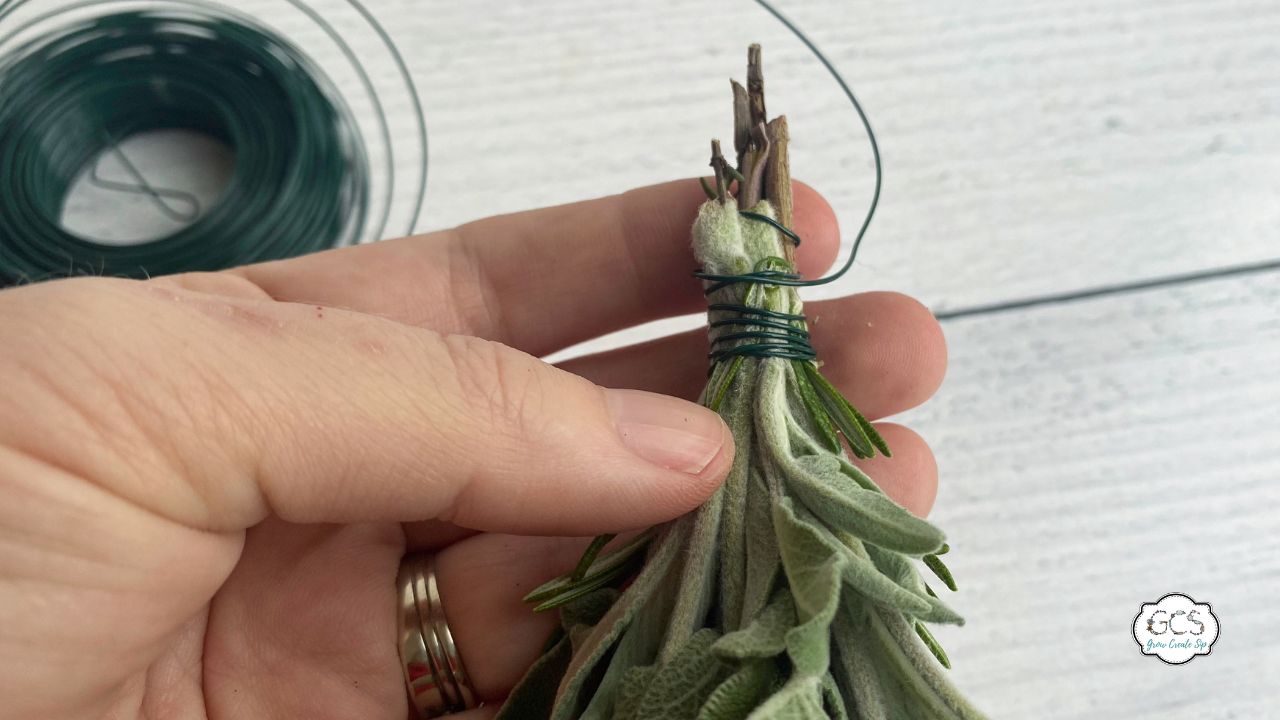
Step 4: Attach the first bundle firmly to set the direction.
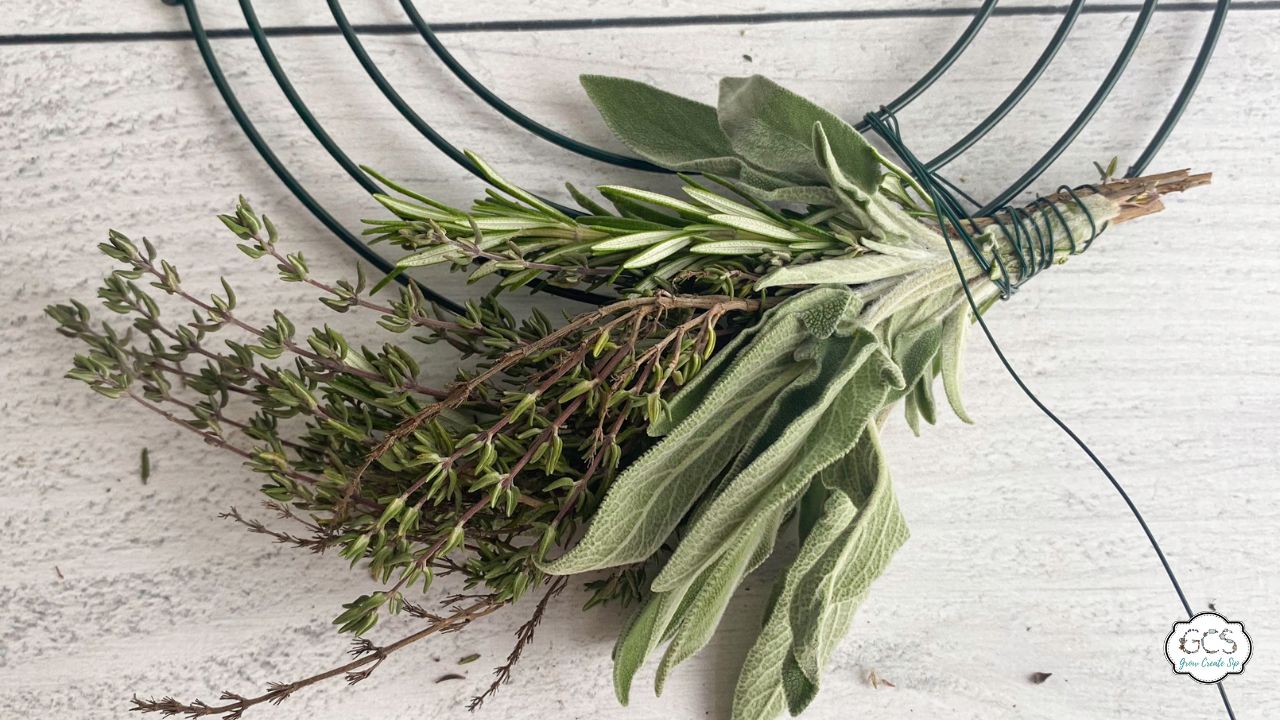
Step 5: Overlap bundles, working in one consistent direction.
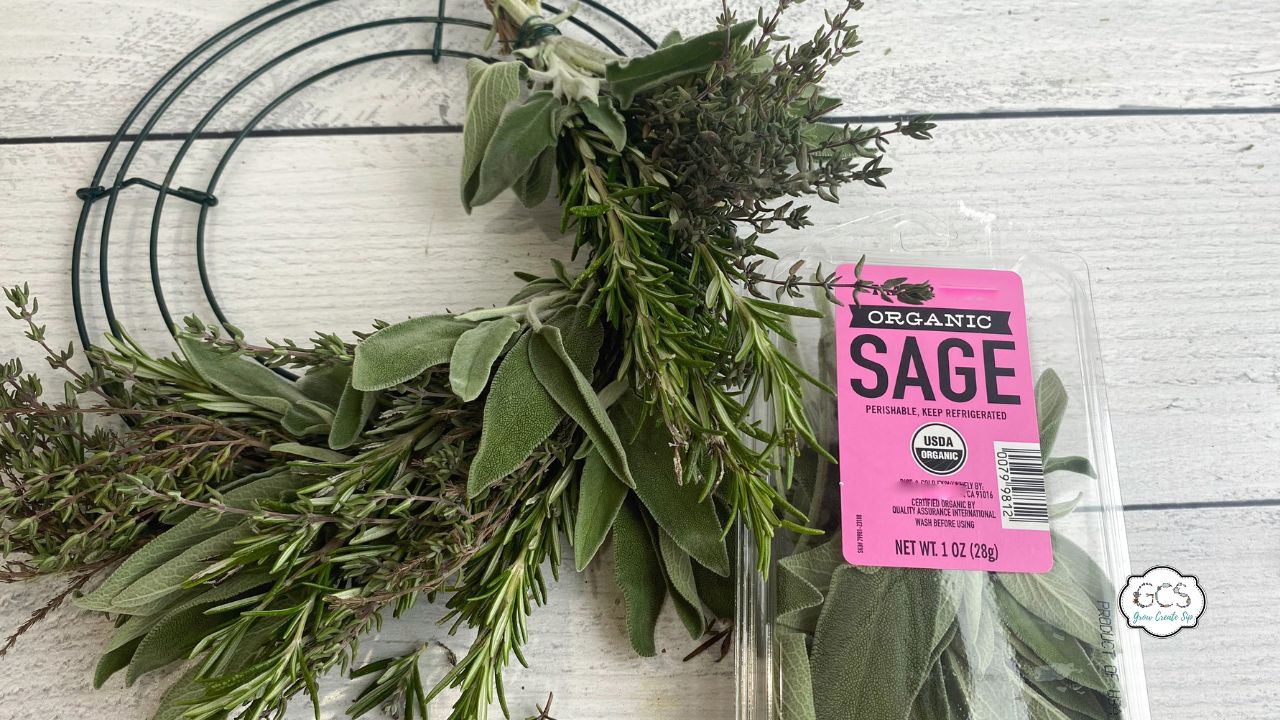
Step 6: Fill gaps with small sprigs as needed.
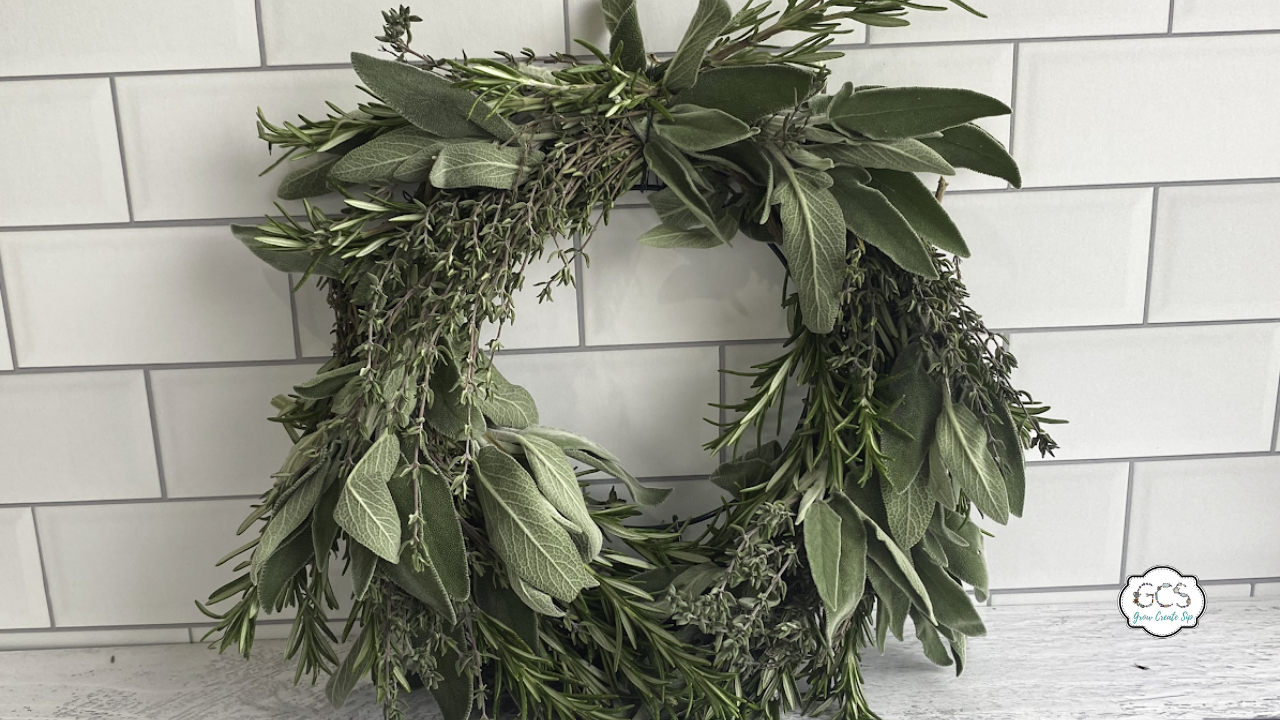
Step 7: Hang indoors to dry.
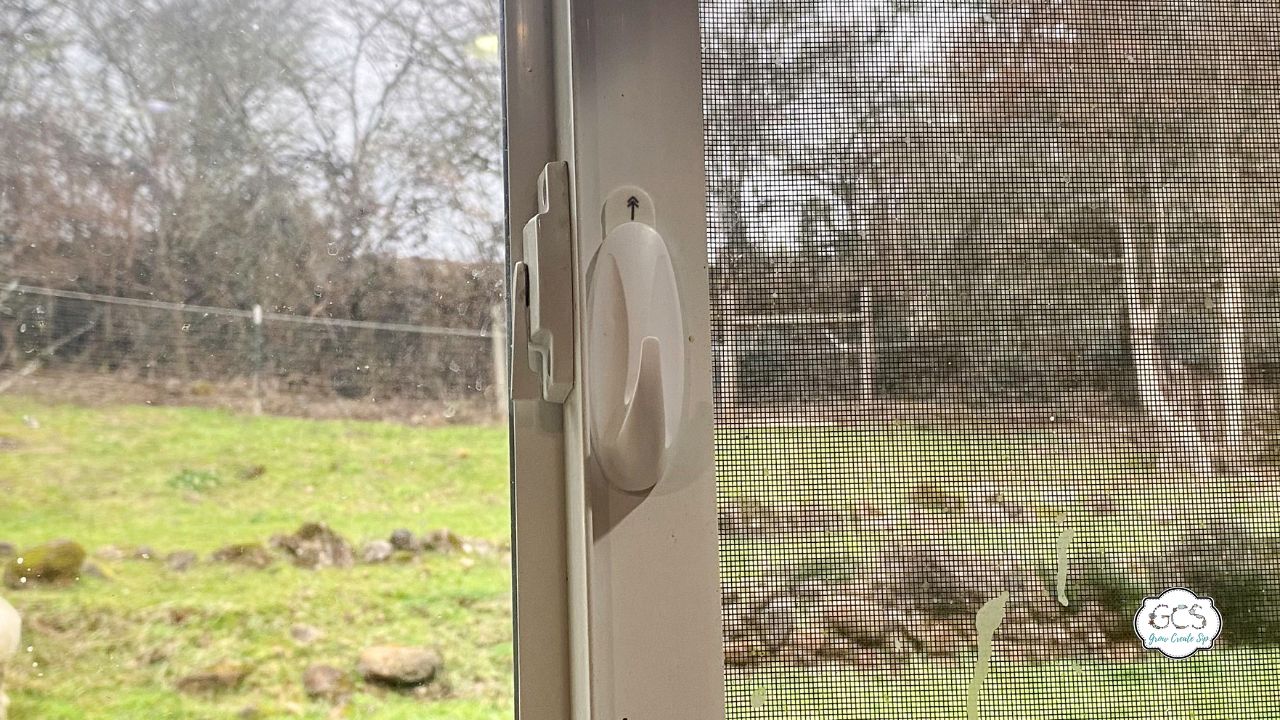
Step 8: Trim lightly once fully dry.
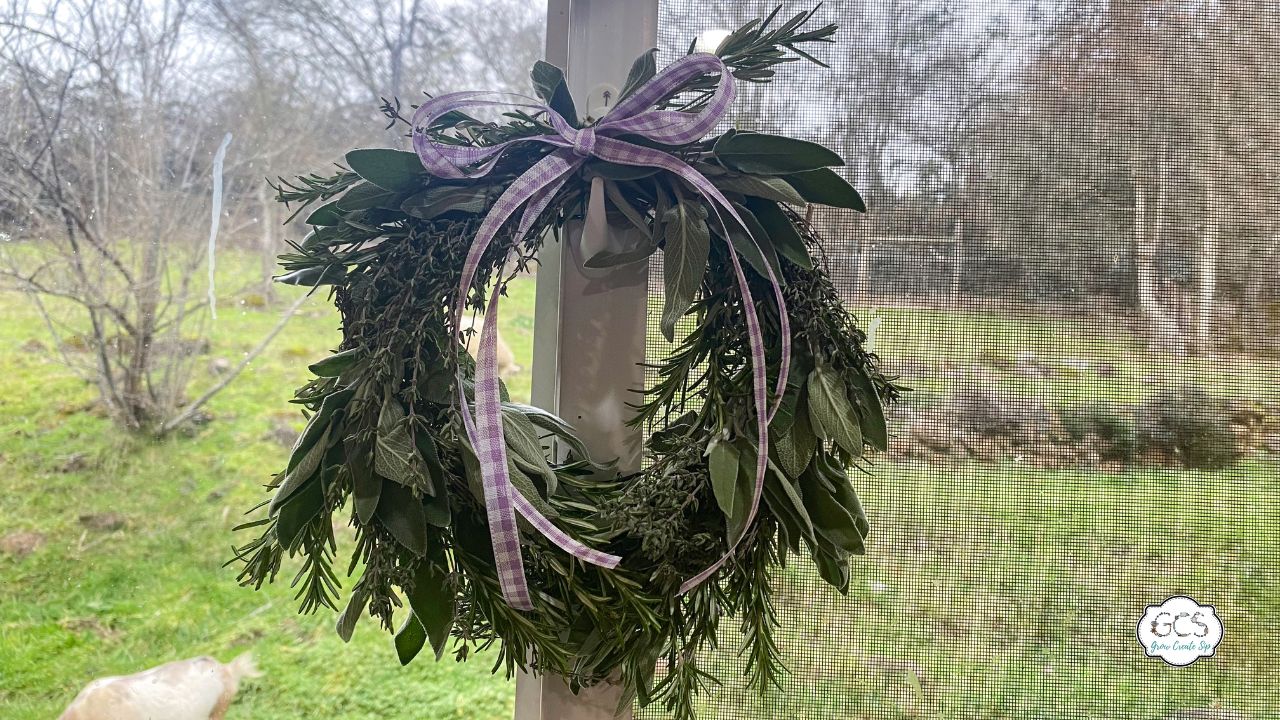
Substitutions and Variations
This wreath is forgiving and easy to adapt, which makes it well-suited to early spring when not everything is available at once.
Lavender can be added sparingly for a softer scent and a hint of color. Bay leaves add fragrance and structure in small amounts, though they work best as an accent rather than a replacement for rosemary. Oregano or marjoram can stand in for thyme if that is what you have on hand.
Choose herbs with woody stems and a strong scent that will dry in place without going limp or brittle.
Tips for Making Herbal Wreaths
Thin floral wire or natural twine works best because it holds fresh stems securely while still allowing for small adjustments as the herbs dry. When attaching bundles, wrap firmly but not tightly. Fresh stems will shrink slightly as they lose moisture, and leaving a bit of give helps the wreath settle evenly instead of snapping later.
Keep all stems facing the same direction. This hides cut ends and creates a smoother outline without extra effort. Step back every so often to look at the wreath from a distance so you can catch thin spots before the final bundle closes the circle.
Small sprigs of thyme or sage are useful for filling gaps without adding bulk. If something looks uneven, tuck in a light sprig and secure it gently rather than undoing your work.

Where to Hang It and How Long It Lasts
Hung indoors, the wreath dries slowly and settles into its shape over the course of several days. A warm kitchen, pantry door, or interior window works well, since gentle airflow and steady indoor temperatures help the herbs dry evenly.
Indoors, the wreath lasts longer than it would outside and is easier to keep free of moisture. If it is hung where it won’t be brushed or handled often, it can remain in place for weeks without losing its structure.
If the wreath has been kept clean and away from humidity, the dried herbs can later be removed and used for cooking or tea. I usually pull them down a handful at a time as needed.
Frequently Asked Questions About Herbal Wreaths
How long does an herbal wreath take to dry?
Most herbal wreaths dry in about three to seven days when hung indoors. Drying time depends on humidity, airflow, and the thickness of the stems. A warm room with gentle air movement helps the herbs dry evenly.
Can I hang an herbal wreath outside?
It is best to hang herbal wreaths indoors. Outdoor moisture, rain, and fluctuating temperatures can cause herbs to mold or lose their shape. Indoors, the wreath dries more slowly and lasts longer.
Can I use dried herbs instead of fresh?
Fresh herbs work best because they are flexible and easy to shape. Dried herbs are usually too brittle to bend and may break during assembly. If herbs are only partially dried and still pliable, they may work in small bundles.
Which herbs work best for early spring wreaths?
Woody, aromatic herbs such as rosemary, sage, and thyme work best in early spring. They hold their shape as they dry and are often available even when the garden is not fully growing.
How long will an herbal wreath last?
When kept indoors and away from moisture, an herbal wreath can last several weeks. Over time, the color will soften and the scent will become more subtle, which suits seasonal decorating.
Can the herbs be used after the wreath is taken down?
If the wreath has been kept clean and dry, the herbs can be removed and used for cooking or tea if they have not collected dust. They can be taken apart and composted as well making sure not to place wire in the compost. Many people take the wreath down gradually, using small amounts as needed.
A Simple Way to Mark the Season
This wreath usually comes together on an ordinary morning, without much planning. It’s the kind of project that keeps my hands busy in a good way, and by the time it’s hanging in the window, the house already feels like it has begun to shift.
Working with rosemary, sage, and thyme this way is a reminder that early spring doesn’t have to be rushed or full to be meaningful. Using what’s available, letting things dry slowly, and allowing the house to change gently with the season is often enough.
If you’d like a simple way to keep learning herbs as you use them, download our Homestead Pantry Herbs Ebook. A great way to learn how to use herbs and ingredients you already have for health, skin care and more!
Check Out More Ideas on Crafting with Herbs
- DIY Home Decor for Every Season
- How to Forage Winter Decorations for Your Home
- How to Make Dried and Pressed Flowers for Your Home
- How to Use Natural Dye for Fiber, Cooking, and Crafting
- How to Grow the Best Types of Flowers for Bouquets
- How to Dry Orange Slices