Red Clover: A Simple Spring Herb for the Home Apothecary
Feb 03, 2026
Red clover was one of the first herbs I ever blended with, long before herbalism became part of my everyday homemaking. It showed up in an early women’s tea I created, and later, when we moved to our farm, I began noticing it growing all over the property each spring. Once you recognize red clover, you start seeing it everywhere.
Learn how to identify, harvest, and brew red clover to bring this gentle, mineral-rich spring herb into your home apothecary.
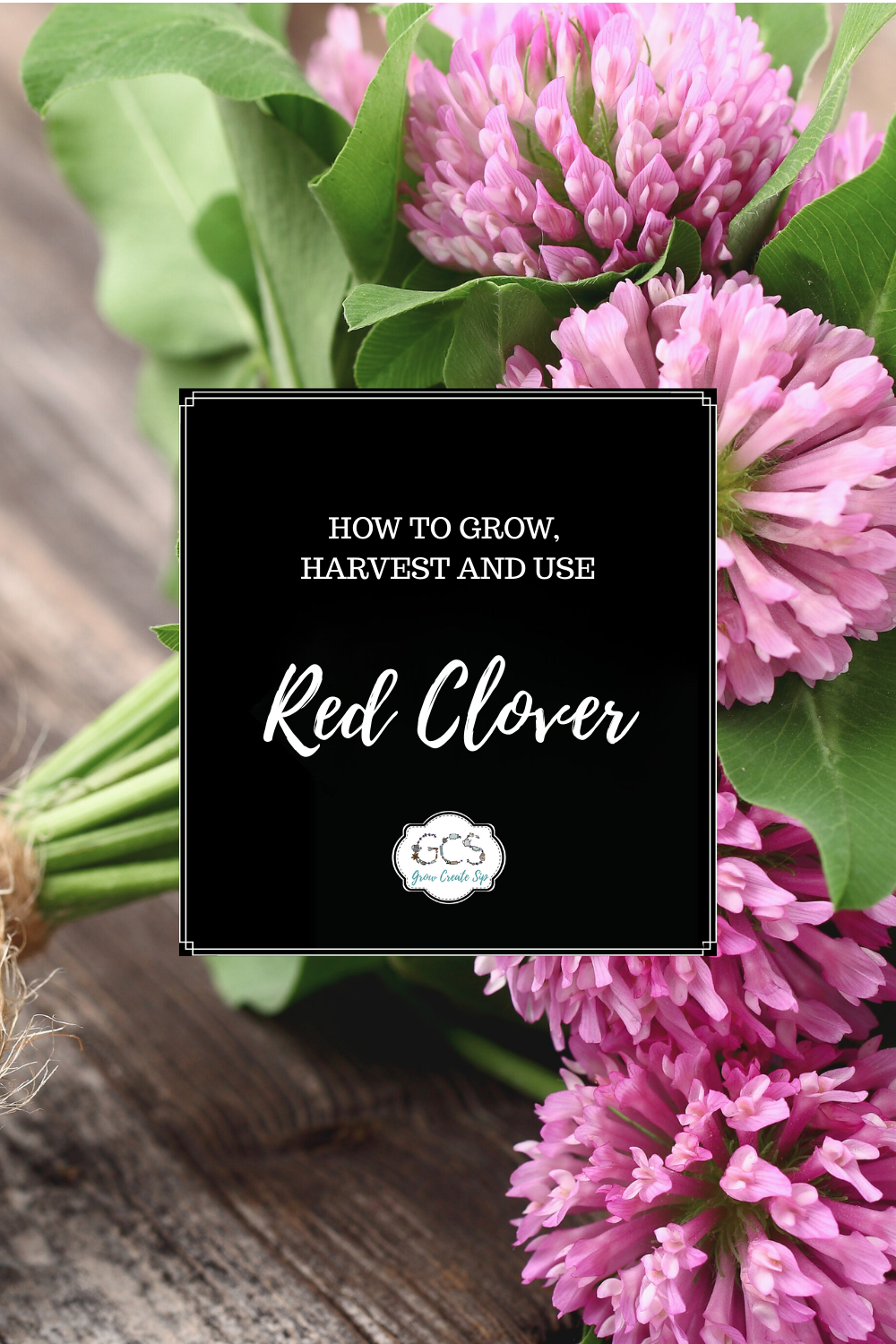
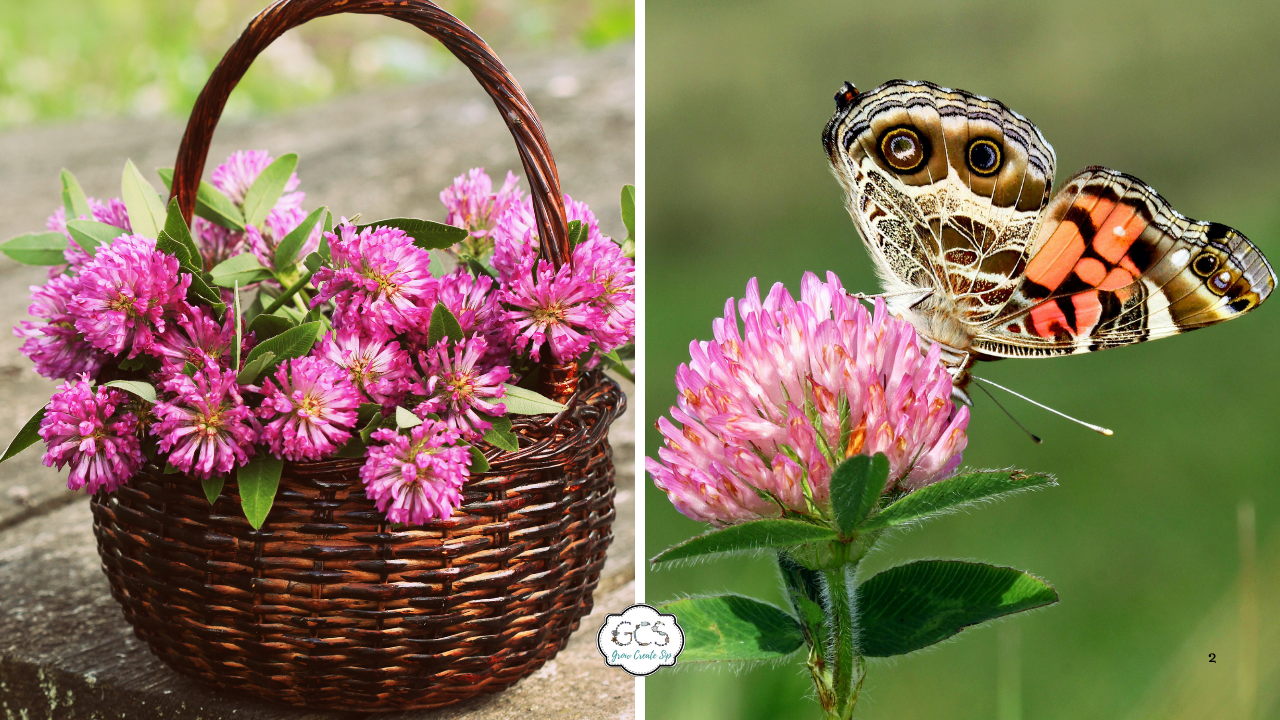
What is Red Clover? Red clover (Trifolium pratense) is a perennial herb in the legume family, widely recognized for its round, pinkish-purple flower heads and trifoliate leaves marked with a pale "V." Traditionally used in women’s wellness and as a nourishing spring tonic, red clover is prized by homesteaders for its high mineral content and its ability to grow abundantly in meadows and pastures.
Jump to identification | Jump to harvesting | Jump to growing | Jump to tea instructions | Jump to herbal homemaking | Jump to safety notes | Jump to FAQs | Jump to final thoughts
The Legal Stuff
This blog is provided by St. Fiacre's Farm LLC for informational purposes only. It does not constitute medical advice, and you should always seek the advice of a qualified healthcare provider for any medical questions or concerns. These statements have not been evaluated by the Food and Drug Administration. This product is not intended to diagnose, treat, cure, or prevent any disease.
Please note that we may earn a small commission on any purchases you make through our affiliate links, at no additional cost to you. Thank you for your support.
How to Identify Red Clover in Spring
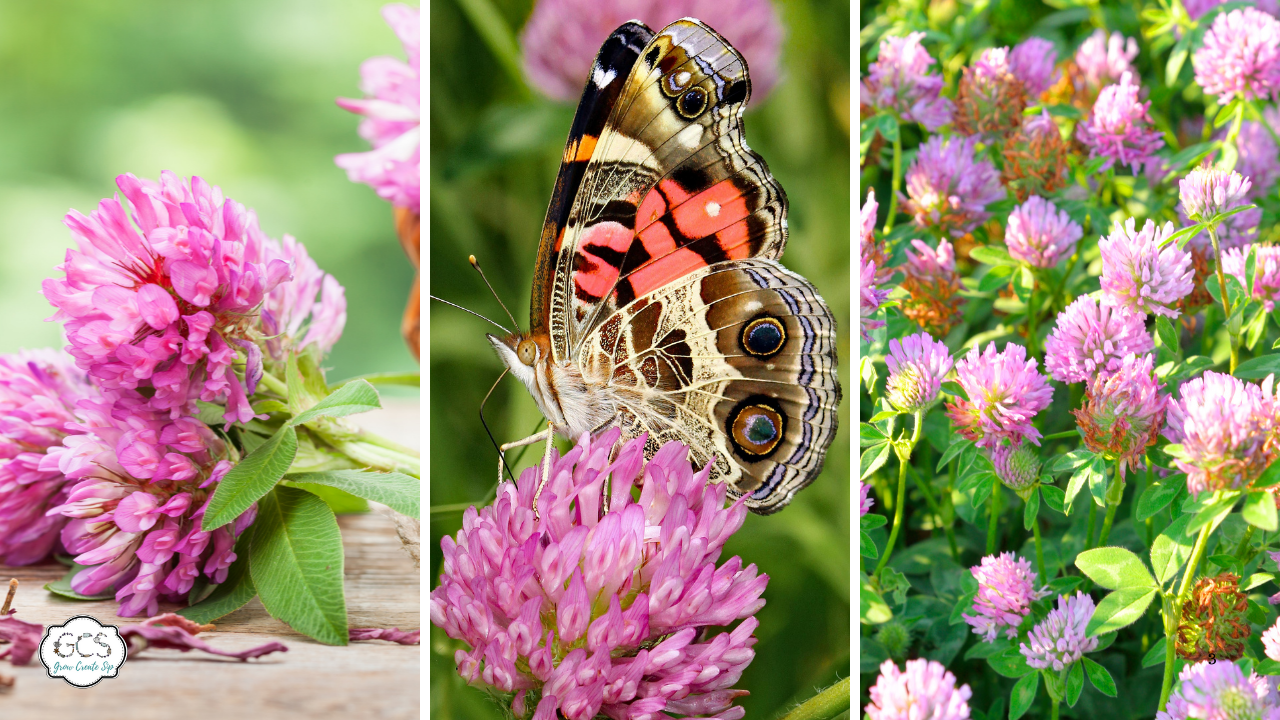
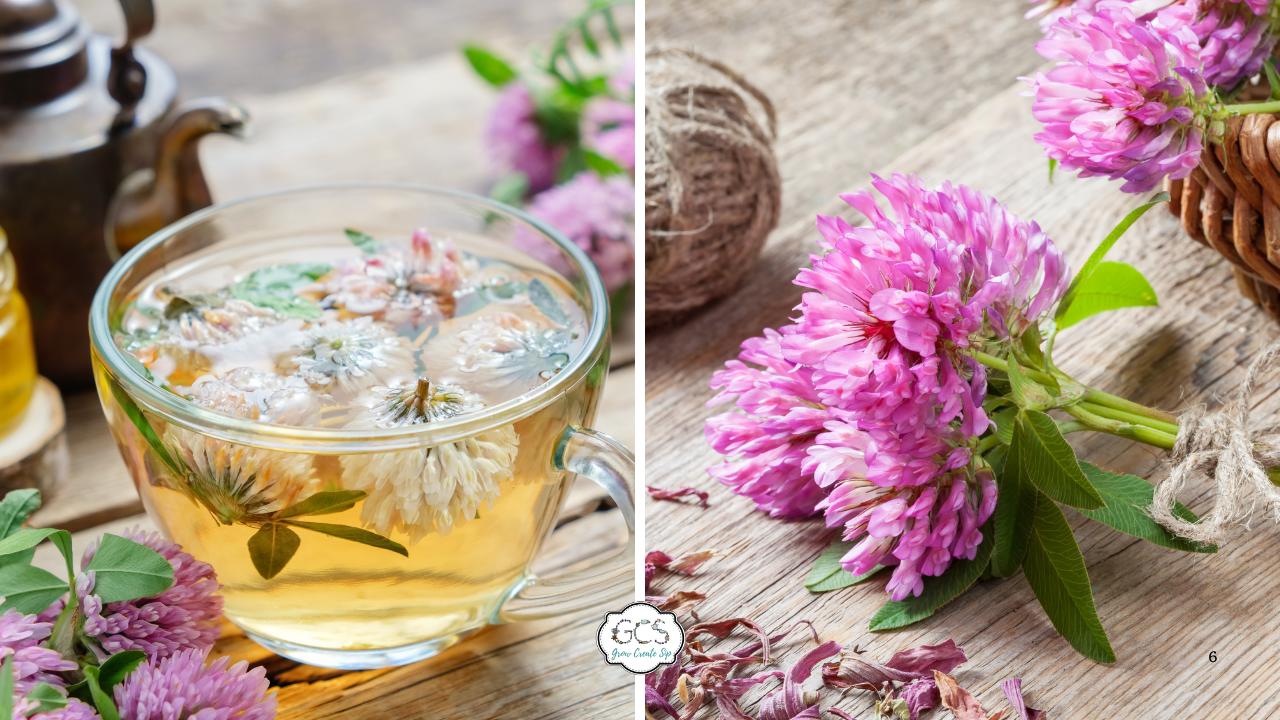
Red clover (Trifolium pratense) is a cheerful wildflower that grows in rounded pink to magenta clusters, each made of many tiny florets. The leaves grow in sets of three and almost always have a pale V-shaped mark near the center.
The plant forms soft, mound-shaped patches rather than growing tall or upright like grasses. It typically reaches one to two feet in height, with green stalked leaves made up of three oval leaflets. Each leaflet often carries that familiar whitish V marking.
Red clover blooms in mid to late spring in most climates. Once you learn to recognize it, you will find it along fence lines, pasture edges, driveways, and meadow borders. If you are looking to support hormone balance, red clover is often a key ingredient in hormone-balancing tea for women.
When and How to Harvest Red Clover
The best time to gather red clover is late morning on a dry day, after the dew has lifted. Choose blossoms that are fully open and richly colored. Avoid flowers that are browning, shriveled, or past their prime.
To harvest, pinch the flower head off just below the base. You may also gather a few tender upper leaves if you plan to use red clover in nutritious blends. For those new to foraging, red clover is as approachable as harvesting garden herbs.
Red clover typically blooms from May through September and can often be harvested one to two weeks after full bloom. In many regions, it may be harvested up to three times per season, with spring and early summer being the peak harvest times.
How to Grow Red Clover
Propagation
Red clover is easily propagated by seed or by root division. Once established, it spreads readily through its root system, making it a wonderful addition to a garden of edible flowers.
Planting Conditions
Red clover prefers moist to dry soil with good drainage and grows best in slightly acidic soil, ideally between 6.0 and 6.5 pH. It thrives in full sun to partial shade and benefits from as much sunlight as possible.
Sowing Schedule
Seeds are typically sown in late summer or early fall. In colder climates, red clover may also be planted in late spring through early summer.
Companion Plants
Red clover grows well with perennial and annual grasses, oats, wheat, ryegrass, alfalfa, and works beautifully as orchard ground cover and pollinator support.
How to Make Red Clover Tea
To make a simple red clover tea, place one to two teaspoons of dried red clover blossoms in a heat-safe mug or jar. Pour eight ounces of just-boiled water over the herbs, cover, and steep for ten to fifteen minutes. Strain and sweeten if desired.
Fresh blossoms can also be used during peak season for a delicate spring tea.
Flavor Pairings for Red Clover
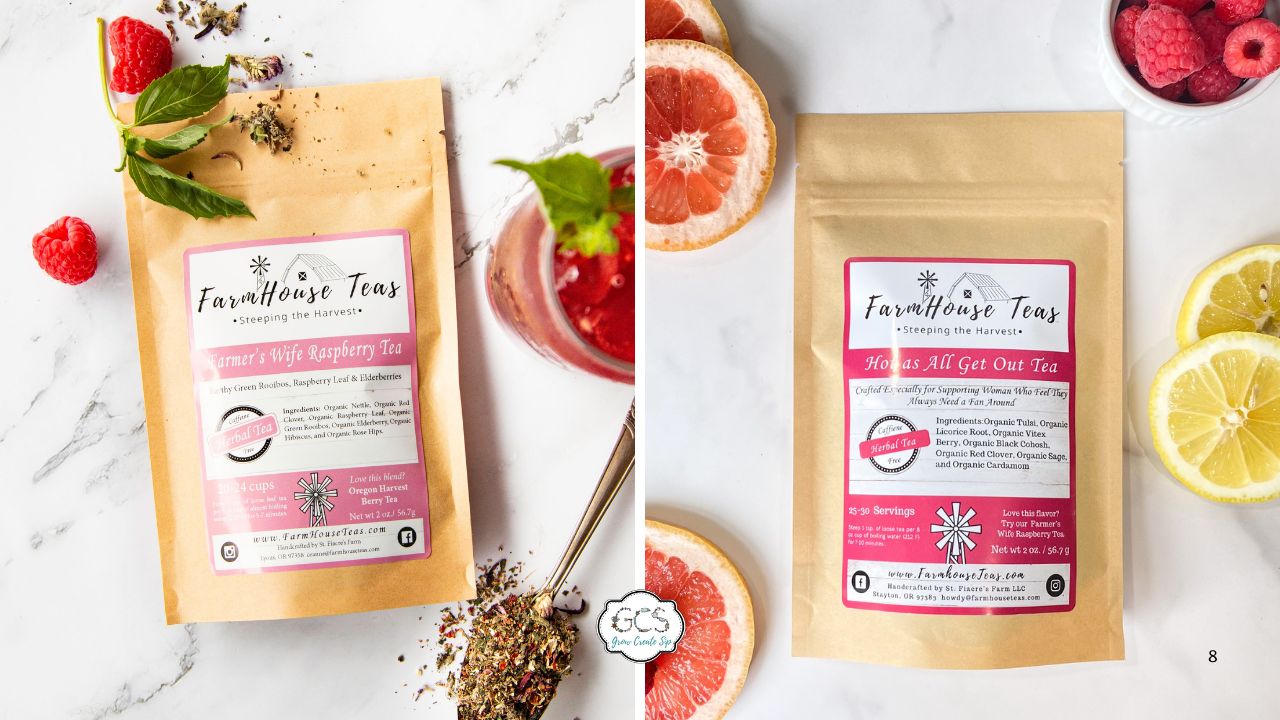
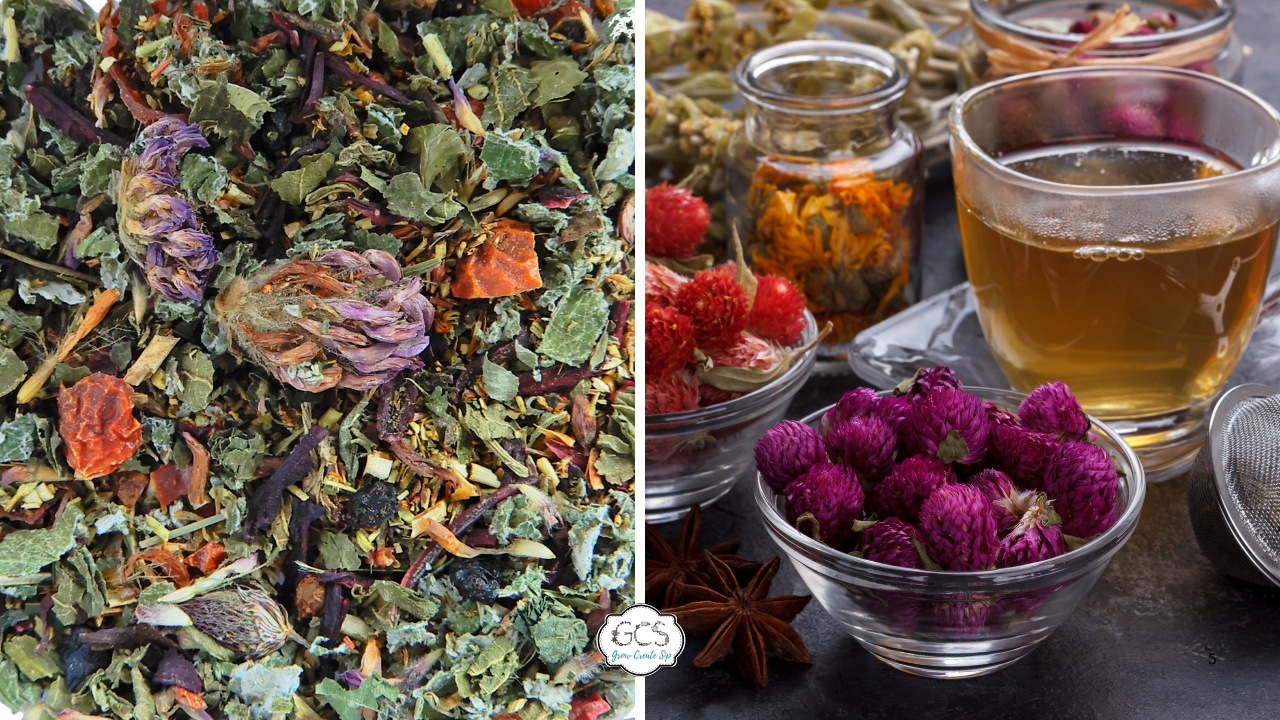
Red clover blends easily with many spring and summer herbs. It pairs well with dandelion, burdock, chickweed, nettle, raspberry leaf, horsetail, yellow dock, thyme, turmeric, elderberry, raspberry, hibiscus, rose hips, oatstraw, lemon balm, alfalfa, ginger, cinnamon, blackberry leaf, and spearmint.
Using Red Clover in Everyday Herbal Homemaking
Red clover fits naturally into a simple home apothecary. It is commonly used in gentle women’s teas, nutrient-rich blends, infused honey, and spring wellness recipes. You can also infuse it into oil and add beeswax to create soothing salves for dry spring skin.
If you would like to try a ready-made blend, our Farmer’s Wife Raspberry Tea and Farm Maiden’s Medley both feature red clover beautifully.
Red Clover and Women’s Herbal Traditions
Red clover has long been used as a gentle, mineral-rich herb in women’s herbal traditions. Because it is mild and easy to use, it is often one of the first herbs chosen when building a home apothecary. Traditional herbalists have included red clover in blends used during women’s cycles and for menopause relief.
Our Hot As All Get Out Tea, which includes red clover, is a long-time favorite among women looking for cooling comfort.
Safety Notes for Red Clover
Red clover is generally considered safe when used in traditional tea amounts. Those using blood-thinning medications, those with estrogen-sensitive conditions, or those using concentrated extracts should consult a qualified practitioner before use.
Tips & Fixes
- Fresh red clover still Damp? If you aren't sure if the morning dew has fully lifted, lay your harvested blossoms out on a paper towel until they are completely dry to the touch before storing or drying.
- Brown Blossoms: If your tea tastes bitter, you may have harvested blossoms that were already past their prime. Only pick vibrant pink heads.
- Molding during Drying: Red clover blossoms are dense. Ensure they are spread in a single layer with plenty of airflow, or use a dehydrator on the lowest setting.
Common Questions about Red Clover
How long does red clover take to dry?
Three to five days in a warm room with good airflow.
Can you use red clover leaves in tea?
Yes. The young upper leaves are mild and nutritious.
Can you mix red clover with other herbs?
Yes. It blends well with raspberry leaf, nettle, oat tops, lemon balm, and mint.
A Must-Have 'Weed' for the Apothecary
Red clover is one of those springtime herbs that encourages us to pay attention to what is growing right outside the door. Simple herbal wisdom often begins with the plants you notice first in your own yard.
Add a jar of dried blossoms to your apothecary shelf this spring and enjoy a cup of red clover tea using a Stainless Steel Tea Strainer for easy steeping.
Read More About Medicinal Plants
- Grow, Harvest, Use: Bay Leaf Tea & Bay Laurel
- Hawthorne Berries: Tea, Tincture & Heart Health
- Everything You Ever Wondered about Elderberry Plants
- How to Grow, Harvest, and Use Basil Plants
- How to Grow, Harvest, and Use Milk Thistle
- How to Grow, Harvest, and Use Lilacs