Wintergreen Herb Profile: Tea Recipe, Salve Uses & Complete Monograph
Jan 20, 2026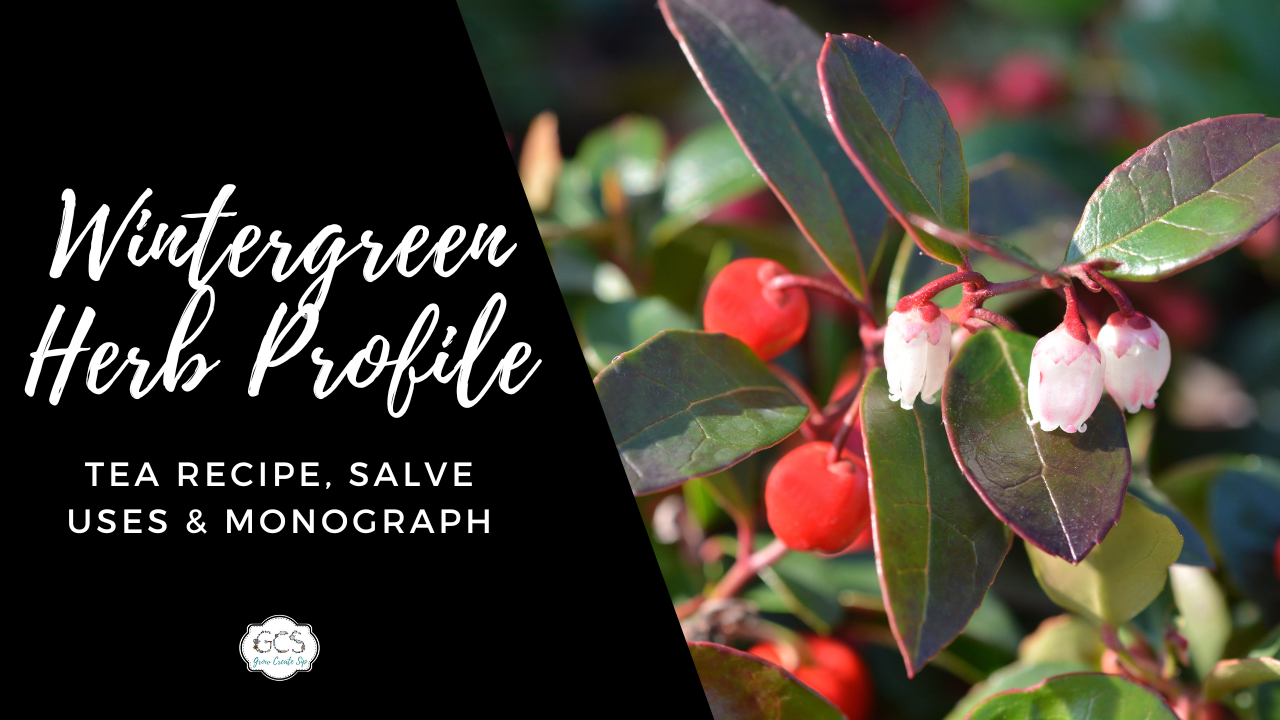
I still remember spotting wintergreen for the first time—not in the forest like you might expect, but tucked neatly into a local landscaping display in town. It was one of those crisp winter days, and the little shrub with its glossy leaves and bright red berries just popped against the dry browns of the season. I thought, Wow, what a beautiful plant for wintertime!
When I discovered that this pretty little shrub was more than just a landscaping gem, I learned it actually had medicinal properties. I was determined to have one of my own. I bought a plant, excited to tuck it into our own garden, but sadly, it didn’t make it through its first season. I haven’t tried again yet, but it’s still on my list. Until then, I’ll enjoy its refreshing flavor the old-fashioned way, like in a piece of gum.
As with any plant, once we have a solid monograph in hand, we know where our safety limits are—and we can feel more confident using the herb wisely and within those parameters.
This blog is provided by St. Fiacre's Farm LLC for informational purposes only. It does not constitute medical advice, and you should always seek the advice of a qualified healthcare provider for any medical questions or concerns. These statements have not been evaluated by the Food and Drug Administration. This product is not intended to diagnose, treat, cure, or prevent any disease.
Please note that we may earn a small commission on any purchases you make through our affiliate links, at no additional cost to you. Thank you for your support!
What is an Herbal Monograph, and Why Wintergreen?
An herbal monograph is like a detailed resume for a single herb. It tells the story of where the plant comes from, how it looks, what it does in the body, and how to use it safely. In this case, we’re focusing on Gaultheria procumbens, the common American wintergreen.
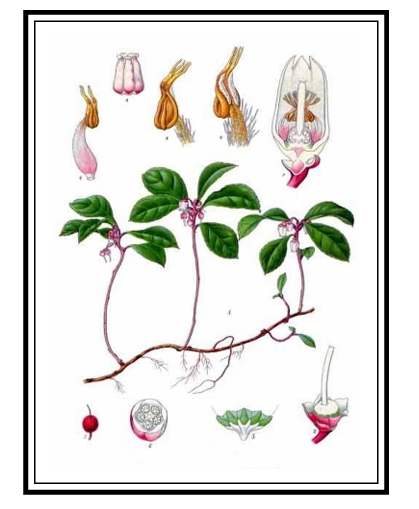
Getting to Know Wintergreen Up Close
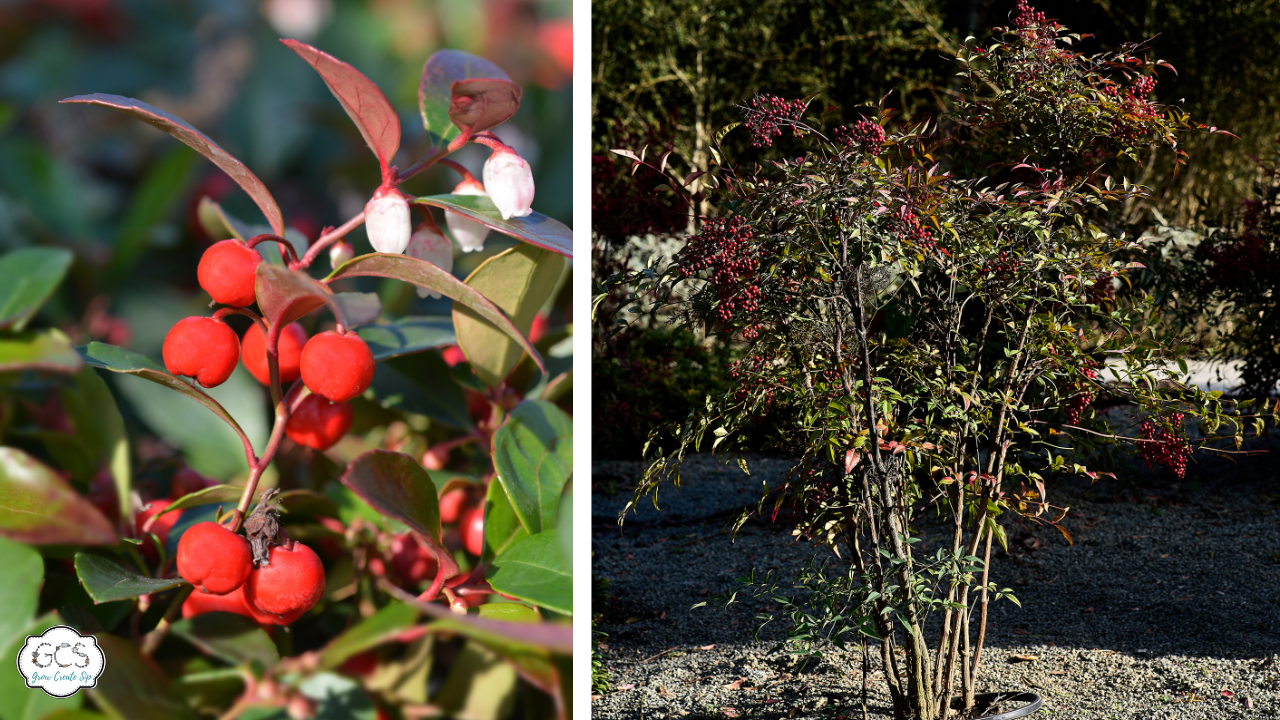
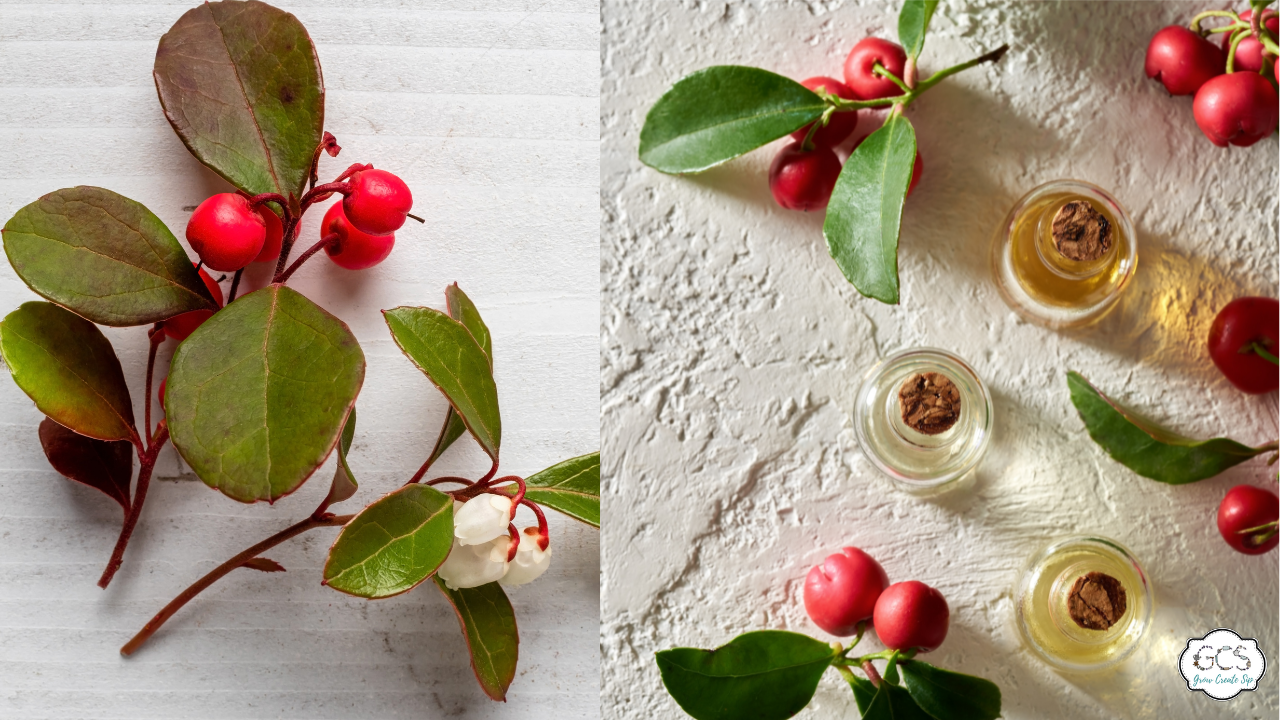
Wintergreen, or Gaultheria procumbens, is a low-growing evergreen shrub that loves the shady spots in northeastern North American woodlands. It belongs to the Ericaceae family (that’s the heath family for my fellow plant nerds). With glossy green leaves, dainty white to pale pink flowers, and bright red berries in late summer, it’s a plant that really shines in winter.
When you crush a leaf, it releases that familiar minty scent — that’s methyl salicylate talking, one of the key compounds we’ll get to in a moment. It’s sweet, slightly bitter, and definitely minty in flavor, working energetically as a cooling, drying, and stimulating agent.
You might also see it confused with striped wintergreen or pipsissewa, as they grow in similar areas and look a bit alike. If you’re ever wondering how to tell the difference, look for those shiny red berries and that strong wintergreen scent.
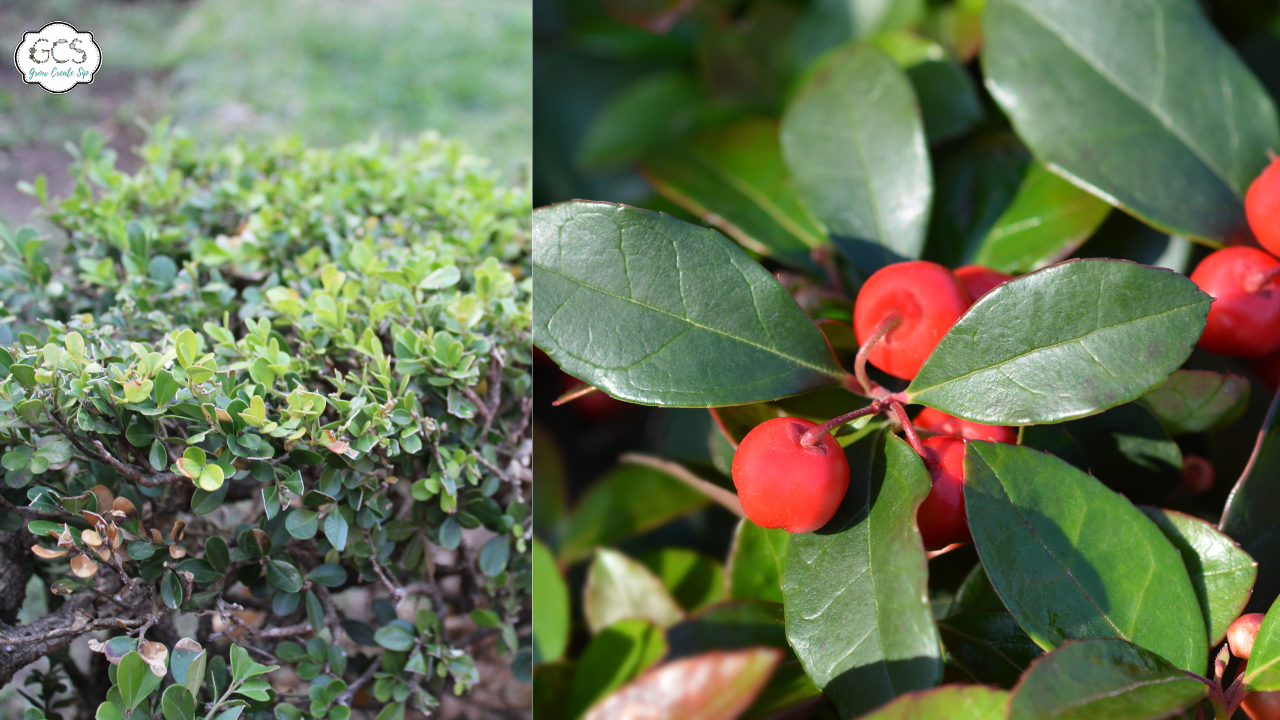
What Does Wintergreen Do?
Wintergreen is well-loved for its pain-relieving properties, kind of like nature’s aspirin. The leaves contain methyl salicylate — the same compound found in many over-the-counter muscle rubs.
Historically, Native American tribes brewed the leaves into a tea for aches, respiratory issues, and general discomfort. Today, you’ll find wintergreen in homemade salves, balms, and even oils for sore muscles and joints.
Medicinal Benefits of Wintergreen
Wintergreen’s reputation as a natural pain reliever goes back centuries. Its primary compound, methyl salicylate, acts much like aspirin in the body—helping to ease minor aches, stiffness, and inflammation when used topically. This makes it a favorite in traditional liniments, massage oils, and salves for sore muscles and joints.
Beyond its pain-relieving qualities, wintergreen has also been valued for supporting circulation and helping the body manage tension and fatigue. Its cooling action can soothe overworked muscles, while its stimulating nature gently encourages blood flow to the skin’s surface, promoting warmth and comfort in tired areas.
In folk and early herbal medicine, wintergreen tea was sometimes used for headaches, cold symptoms, and joint discomfort—though today, internal use is considered best left to experienced practitioners due to its strong salicylate content. For most home herbalists, the leaves’ gentle aroma and external applications make wintergreen an approachable way to enjoy its benefits safely.
Key Takeaways:
- Analgesic (pain-relieving): May help ease sore muscles, headaches, or joint discomfort when used externally.
- Anti-inflammatory: Known for soothing minor inflammation and swelling.
- Circulatory support: Promotes warmth and comfort through increased surface circulation.
- Aromatic benefits: Its crisp scent can refresh and uplift when diffused or blended into salves and balms.
As with any potent herb, moderation and proper dilution are key. Always test a small area first and follow standard safety guidelines for external herbal preparations.
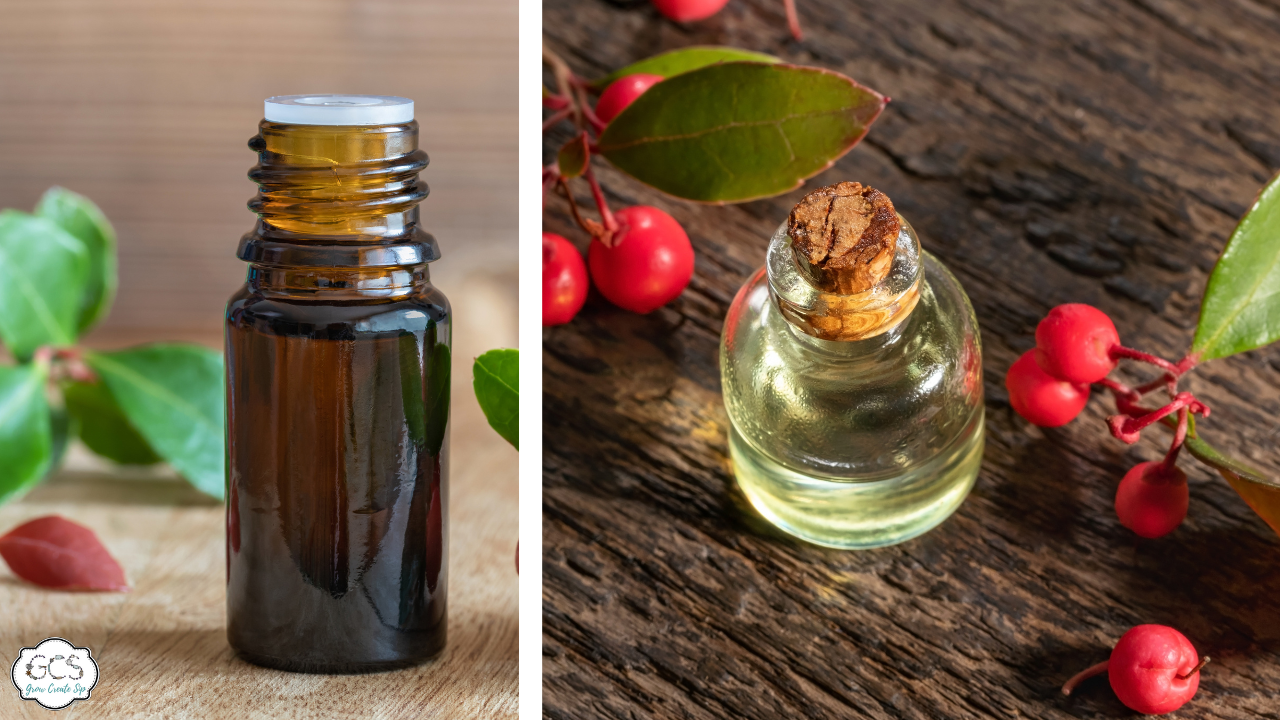
How to Use Wintergreen at Home
Here’s how you can safely enjoy wintergreen:
-
Infused Oil: Soak dried wintergreen leaves in olive oil for 2–4 weeks, then strain. Apply topically to sore muscles 1–3 times per day.
-
Salve: Combine 1 part wintergreen-infused oil with 1 part beeswax. Apply a pea-sized amount to affected areas up to three times a day.
-
Wintergreen Tea: A light cup made from 1 teaspoon of dried leaf (or 2–3 fresh leaves) per 8 oz of hot water, steeped 10–15 minutes, is typically enjoyed no more than 1 cup per day for up to a week at a time.
-
Warning: Wintergreen essential oil is very concentrated. Never ingest it or use it undiluted.
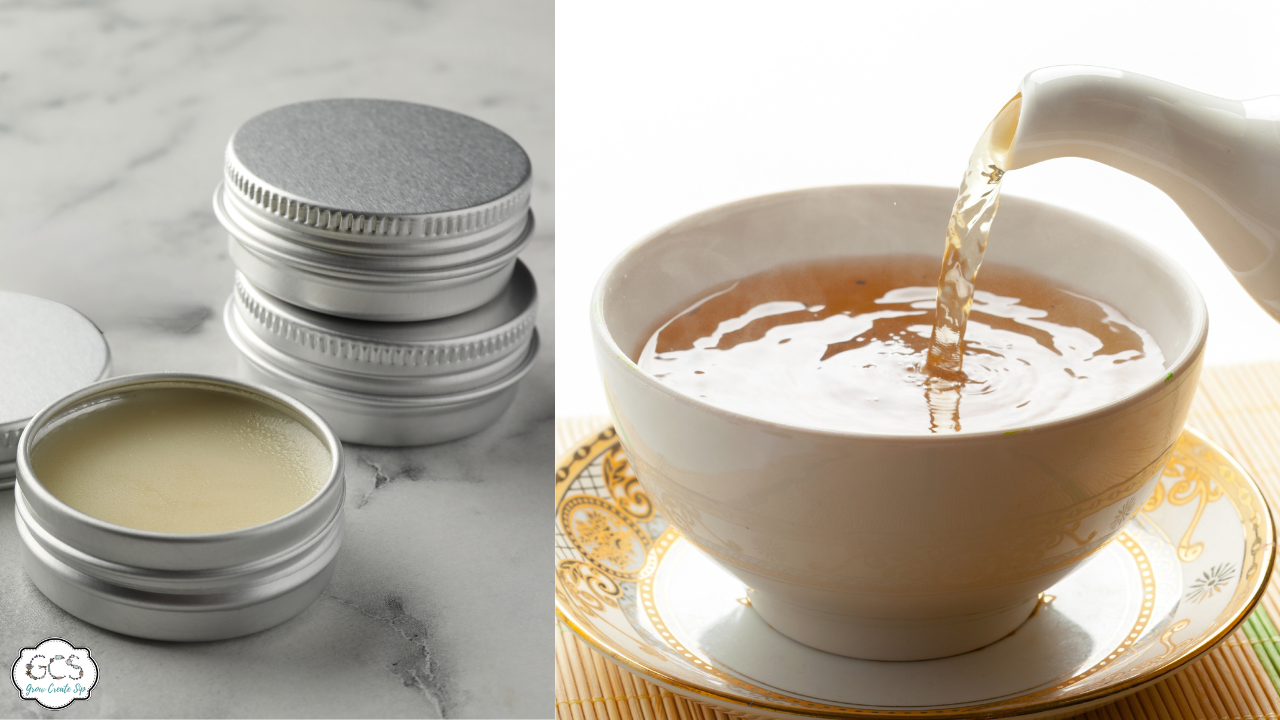
Is Wintergreen Safe?
Wintergreen may be mild in the garden, but it’s a potent herb in the apothecary. Its natural compound, methyl salicylate, is the same one found in many pain-relief products. That means even in its leaf form, it deserves respect and proper use. When prepared as a tea, infused oil, or salve, it offers gentle comfort, but like all strong herbs, it’s best used occasionally and with awareness.
Avoid wintergreen if:
- You’re allergic to aspirin or salicylates
- You’re pregnant, breastfeeding, or under 12
- You take blood thinners or have clotting disorders
For most adults, using small amounts of wintergreen leaf topically or occasionally in tea is considered safe when prepared correctly. Always patch test before topical use, and remember that the essential oil is far stronger than the leaf and should never be ingested or used undiluted.
Wondering About Wintergreen? Let’s Answer Some Common Questions
Can I drink wintergreen tea?
You can, but only in moderation and for occasional use. The leaves are milder than the oil, but still contain methyl salicylate.
What’s wintergreen good for?
It’s commonly used for sore muscles, joint pain, and minor inflammation. Some people also use it in chest rubs.
Can I grow it at home?
Yes! Wintergreen prefers acidic soil, partial shade, and moist but well-drained conditions. Just be gentle—it's slow to establish.
How is it different from peppermint or spearmint?
They may smell similar, but wintergreen isn’t in the mint family. It belongs to the heath family and works a bit differently medicinally.
Can I use it in cooking?
Only in tiny amounts. Wintergreen flavoring is common in gum and mints, but the essential oil is too strong to cook with safely.

Wrapping It Up in the Kitchen
Wintergreen might be small and slow-growing, but it sure packs a punch. Whether you’re making salve for sore muscles or sipping a cup of tea on a chilly day, it brings both beauty and benefit to your herbal toolkit.
If you’re ready to dive deeper, grab my Salve Recipe Download to start blending your own pain-relief creations at home. There’s nothing quite like making your own medicine from scratch—and wintergreen is a great herb to start with. Don't forget to stock up on bulk herbs for your home apothecary. If you're interested in getting this monograph and others in print, consider checking out the Grow Create Sip Magazine subscription.
Learn More About Medicinal Plants
- How to Use Marshmallow Root: Tea, Salve, Syrup & More
- How to Make Homemade Cough Syrup with Wild Cherry Bark
- Bay Leaf Tea and Bay Laurel Benefits
- Grow and Use Hawthorne Berries: Tea, Tincture & Heart Benefits
- Old Fashioned D.IY. Cough Syrup Recipe
- D.I.Y. Herbal Tea Recipe for Flu and Cold Season