How to Use Marshmallow Root: Tea, Syrup, Salve & More
Dec 30, 2025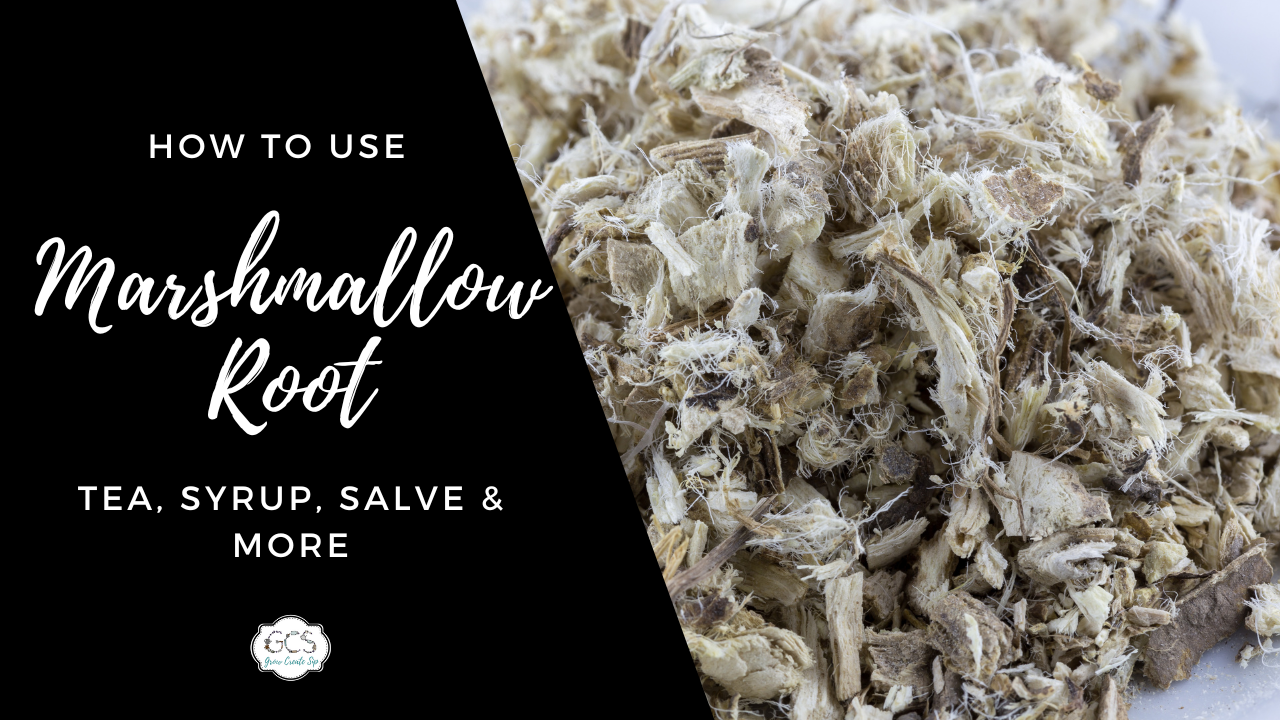
Some herbs slip quietly into our lives, but marshmallow root arrives like a soft blanket—calming, comforting, and quietly powerful.
Marshmallow root came into my life when I was researching herbs that support the digestive system. Most herbs are drying or astringent, but marshmallow was different. The first time I experienced its slippery texture, I’ll admit I was a little hesitant, but I quickly learned that slimy doesn’t mean bad. In fact, that slick, mucilaginous quality is exactly what makes it so soothing for those with leaky gut or any digestive irritation. It’s like a gentle herbal bandage, offering comfort and protection while the body does the work God designed it to do. Sometimes, all we need is a little patch and some calm to allow restoration to begin.
This marshmallow root guide explores how to grow, harvest, and use this gentle herb in teas, syrups, salves, and more—especially for digestive, respiratory, and skin support.
Here’s what you’ll find:
- History and botanical background of Althaea officinalis
- How marshmallow root supports digestion, the respiratory system, skin, and more
- Growing, harvesting, and preserving tips for home gardeners
- Simple preparations: cold infusions, decoctions, syrups, salves, and more
- Flavor pairings, blend ideas, and sweet traditions to try
This blog is provided by St. Fiacre's Farm LLC for informational purposes only. It does not constitute medical advice, and you should always seek the advice of a qualified healthcare provider for any medical questions or concerns. These statements have not been evaluated by the Food and Drug Administration. This product is not intended to diagnose, treat, cure, or prevent any disease.
Please note that we may earn a small commission on any purchases you make through our affiliate links, at no additional cost to you. Thank you for your support!
Getting to Know Marshmallow Root
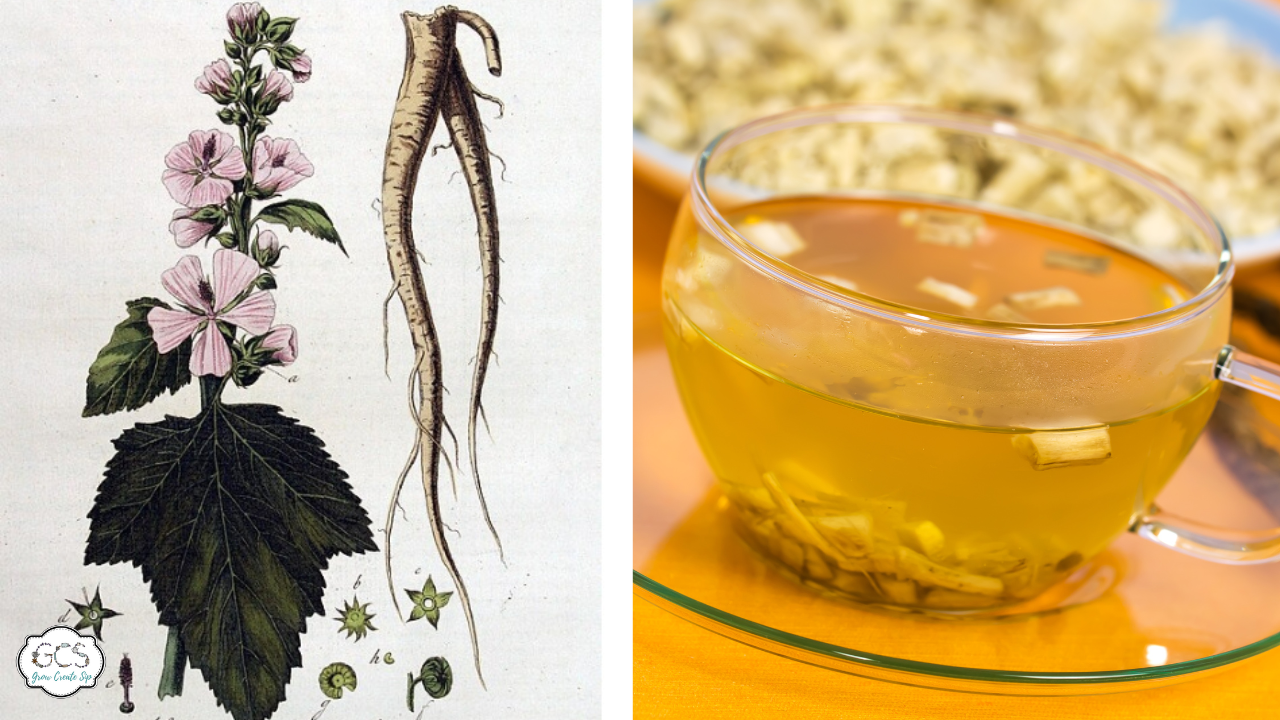
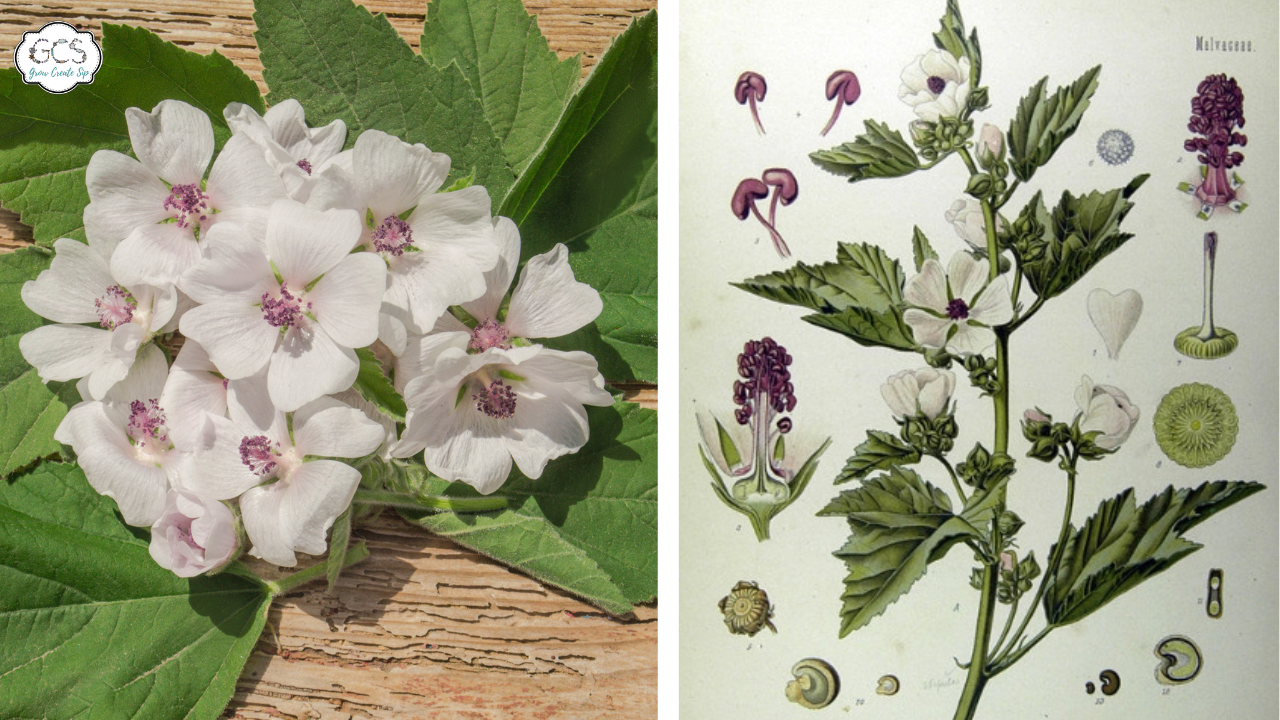
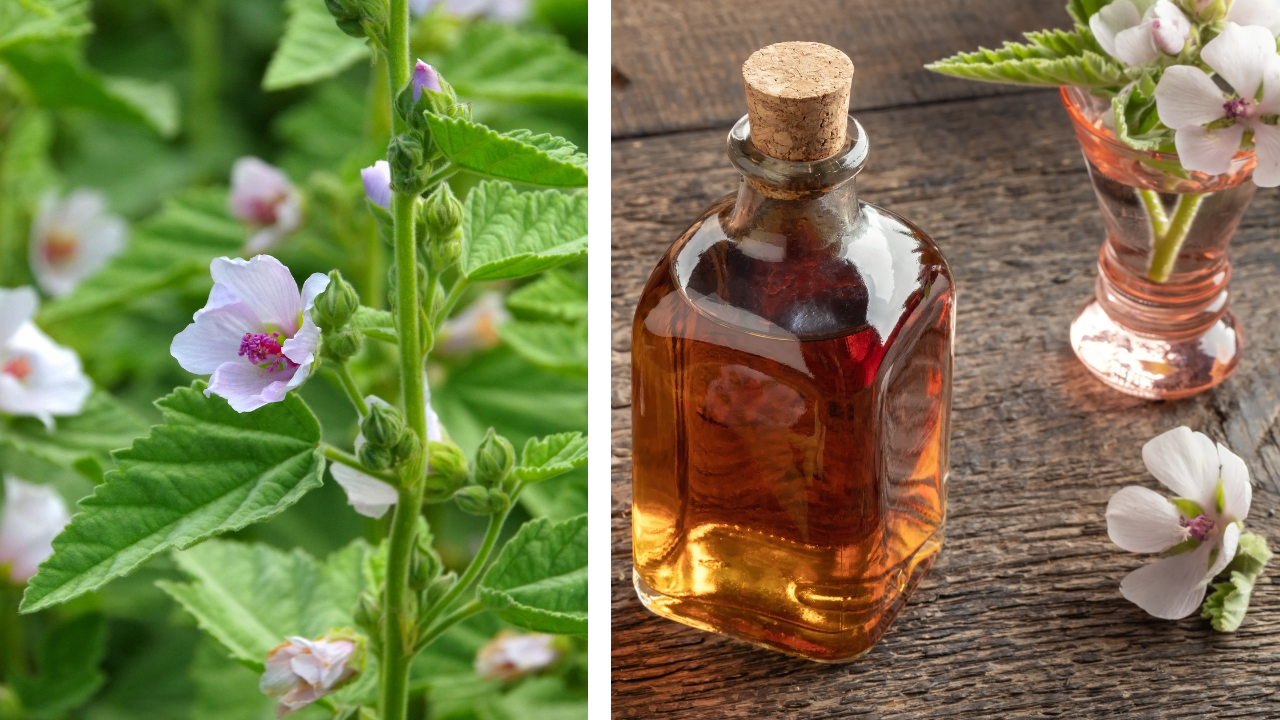
Known botanically as Althaea officinalis, marshmallow root is a perennial member of the mallow family (Malvaceae). It grows with soft, fuzzy leaves and pale pink blossoms, often reaching three to four feet tall. Beneath the soil lies its most treasured part: a long, fibrous root packed with mucilage. This mucilage is what gives marshmallow root its signature slipperiness and also its comforting power.
Herbalists consider marshmallow cooling and moistening in nature. Its actions are demulcent, emollient, soothing, and protective, making it ideal for dry or irritated tissues. While the root is most commonly used, the leaves and flowers also offer benefits. Whether in a cold infusion, syrup, or soothing balm, marshmallow root has a gentle way of bringing relief and calm to the body.
Marshmallow Root Benefits for Digestion, Throat, Skin & More
Marshmallow’s signature is moisture. Rich in mucilage, it coats and soothes irritated tissues, especially where dryness or heat is at play. Traditionally, marshmallow root has been used to support:
- Digestive comfort: A gentle ally for the stomach and intestines.
- Respiratory ease: Soothing for dry, scratchy throats and coughs.
- Urinary tract support: Calming to the bladder and kidneys.
- Skin hydration: External applications to moisturize, soften, and protect.
Common herbal actions associated with marshmallow root include demulcent, emollient, soothing, and protective; it’s often described as cooling, moistening, and gentle.
Growing Marshmallow in the Home Garden
Sun & soil: Choose a full-sun spot with consistently moist soil—think riverbanks and damp meadows in nature.
Spacing: Sow in clusters, allowing 18–24 inches between plants.
Starting from seed: Marshmallow benefits from a brief period of cold stratification. Start seeds indoors 3–4 weeks before the last frost or direct sow after frost danger has passed; expect germination in 3–4 weeks.
Companions: Marigolds make a cheerful neighbor, and pollinators love the blooms.
Harvesting & Preserving with Care
Leaves: Harvest in summer after flowering.
Roots: Wait until plants are at least two years old, then dig in autumn after die-back. Take only a portion of the root and replant the crown for continued growth.
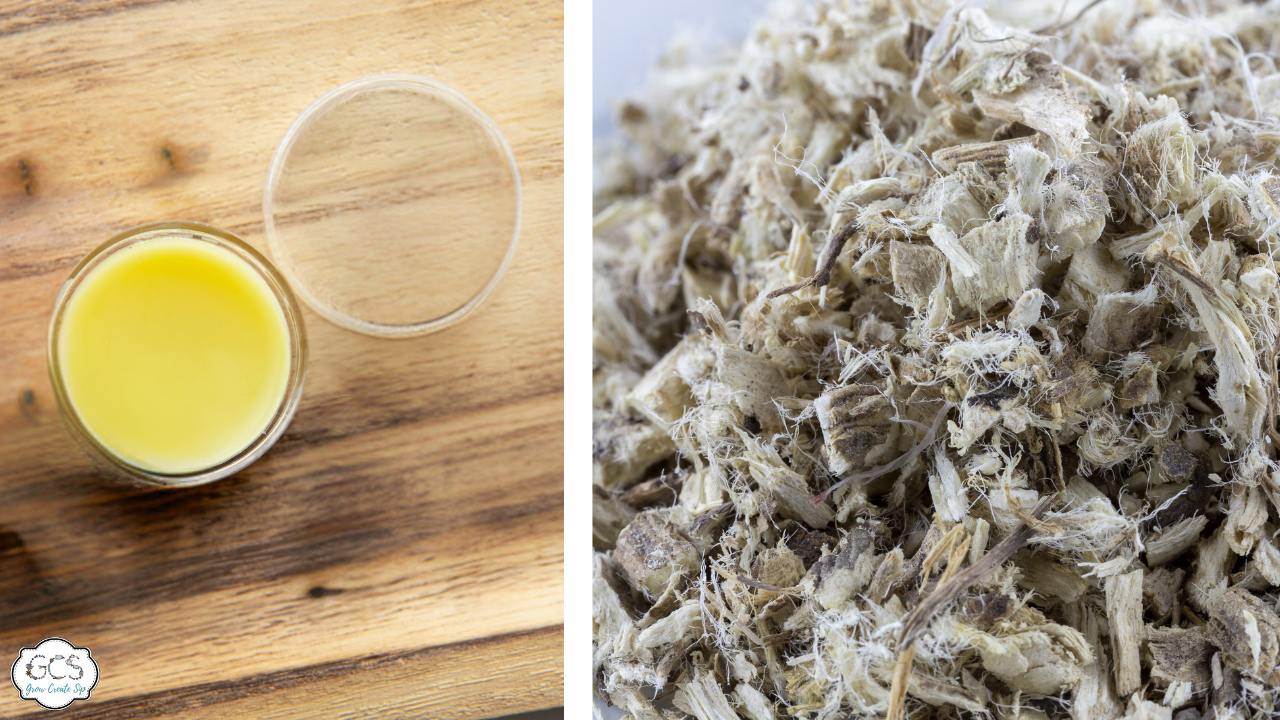
Dehydrating roots: Clean, chop, and dry at a low temperature until fully hard. (Drying time varies by climate and equipment.)
How to Use Marshmallow Root in Tea, Syrups & Topicals
Simple Syrup (soothing and versatile)
- Make a strong decoction, then combine 1 cup of liquid with 1 cup of honey or sugar.
- Warm gently to dissolve; store refrigerated for up to 2 weeks.
External Uses
- Compress: Soak a clean cloth in cooled tea and apply to the skin.
- Salve/Balm: Infuse dried leaf or root in herbal oil and combine with beeswax to make a softening salve.
Flavor Pairings & Blend Ideas
Mild and slightly sweet, marshmallow root plays well with others. Try blending with mint, nettle, mullein, licorice, calendula, elder flower, fennel, ginger, raspberry leaf, slippery elm, chamomile, cinnamon, clove, rose hips, or elderberry. Or explore our marshmallow-based tea blends for inspiration.

Sweet Traditions to Try
- Make classic marshmallows with marshmallow root (gelatin version).
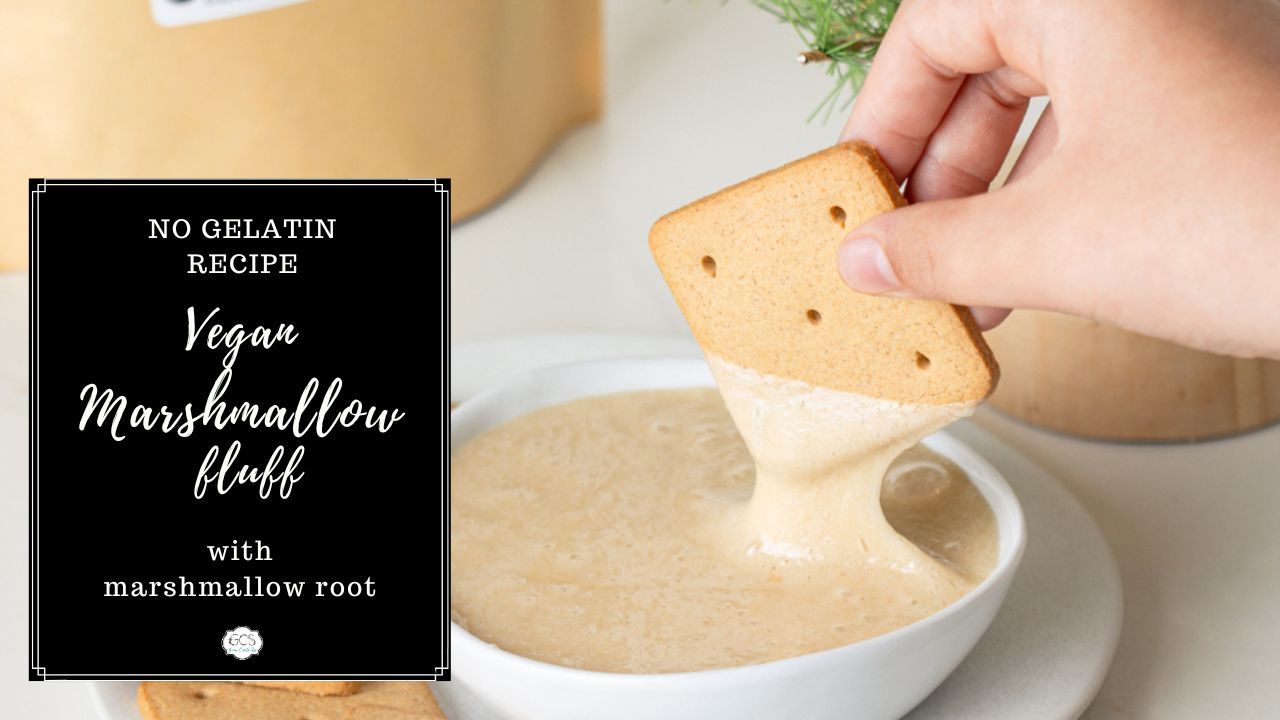
- Go plant-based with vegan agar marshmallows.
- Fold homemade marshmallows into Rice Krispies Squares or float them atop homemade hot chocolate.
Need high-quality herbs and tools? Find marshmallow root, a trusty tea infuser, or a glass French press at Farmhouse Teas.

Marshmallow illustration on left is from Wikimedia.org
Safety Notes
Marshmallow root is generally considered gentle. As with all herbs, consult your trusted healthcare provider—especially if you are pregnant, nursing, on medications, or addressing a medical condition.
Answers for the Curious Herbalist
Is marshmallow root safe for everyday use?
Yes, when used as a tea or syrup in moderate amounts, marshmallow root is considered gentle and safe for most people. Always check with your healthcare provider if you’re on medications or pregnant.
What does marshmallow root tea taste like?
Mild, soft, and slightly sweet, especially when cold-infused. It’s a perfect canvas for herbs like mint, licorice, or chamomile.
Can I grow marshmallow root in containers?
Yes, though it prefers moist soil and space to stretch. Use a deep container and harvest root after the second year.

Gratitude for the Humble Marshmallow
Marshmallow root doesn’t shout—it whispers. It reminds us that wellness doesn’t have to be loud or dramatic; it can be slow, soft, and deeply nourishing. This humble root offers a gentle balm for the body and a quiet lesson for the soul: God often answers our needs not with fanfare, but with something tender and understated. When I work with this herb, I’m reminded that His provision is all around us—in every root, leaf, and petal if we’re willing to look.
I hope that what I’ve shared here encourages you to slow down and care for your body in gentle ways. Whether you're sipping a cool infusion or stirring together a homemade salve, these small, steady practices can offer real comfort. Marshmallow root may not be flashy, but it reminds us that even the quietest tools in nature have a meaningful place in our everyday wellness.
Want a simple place to record your own plant notes and recipes? Download our free Monograph Journal Pages and build a beautiful materia medica of your own.
Dive Deeper into Marshmallow & Other Herbs
- Rice Krispie Squares with Homemade Marshmallows
- Homemade Marshmallows with Marshmallow Root
- Vegan Marshmallow Recipe (With Marshmallow Root)
- Herbal Monograph Guide & How to Write Your Own
- How and When to Harvest Herbs
- Most Affordable and Productive Herbs to Grow