Bay Leaf Tea & Bay Laurel Benefits: How to Use, Brew & Grow
Jan 13, 2026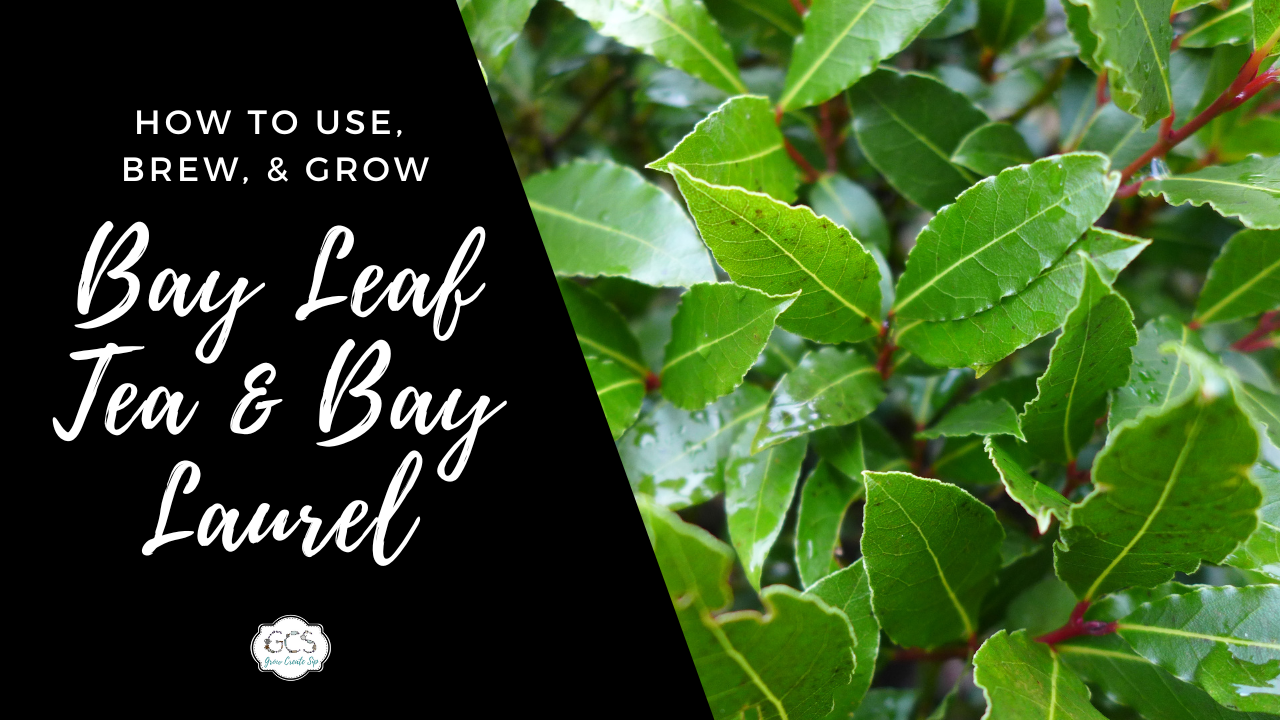
If you’ve ever stood over a pot of soup and wondered why the recipe calls for one lonely leaf that you’ll fish out later, you’re in the right place. That simple dried bay leaf, the one that often gets overlooked, isn’t just filler in your spice cupboard. It’s part of a tradition that stretches back to ancient Greece and Rome, when bay laurel (Laurus nobilis) was seen as a symbol of victory and wisdom.
These days, bay leaves most often appear in our soups and stews, tucked in and simmered low and slow. But there’s more to this herb than flavor. Homemakers for centuries have relied on bay not just in the kitchen but in their pantries, gardens, and even teacups. And if you’re beginning to explore herbalism, bay laurel is one of the most approachable herbs you can start with. It’s safe in culinary amounts, easy to grow, and carries both flavor and tradition.
A quiet kitchen staple with ancient roots, bay laurel is more than just soup seasoning. This evergreen herb supports digestion, soothes the nerves, and makes a lovely, calming cup of tea. Learn how to grow, brew, and use bay leaves for herbal health at home.
This blog is provided by St. Fiacre's Farm LLC for informational purposes only. It does not constitute medical advice, and you should always seek the advice of a qualified healthcare provider for any medical questions or concerns. These statements have not been evaluated by the Food and Drug Administration. This product is not intended to diagnose, treat, cure, or prevent any disease.
Please note that we may earn a small commission on any purchases you make through our affiliate links, at no additional cost to you. Thank you for your support!

What Is Bay Laurel (Laurus nobilis)?
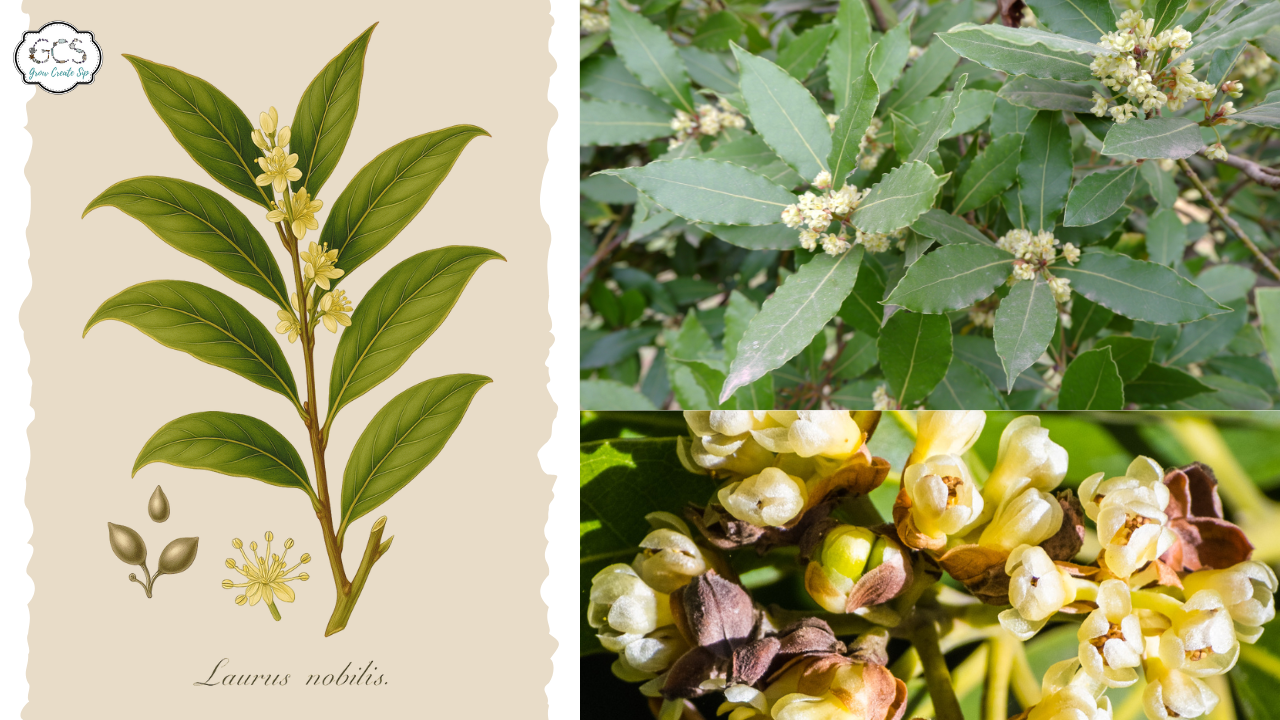
Meet Laurus nobilis, better known as bay laurel or simply “bay.” You’ve probably seen its glossy leaves in your spice cupboard or tucked into a simmering soup. Bay laurel belongs to the Lauraceae family, the same one that gives us cinnamon and avocado. It’s native to the warm Mediterranean region, where it grows as an evergreen shrub or small tree that can reach 10 to 30 feet if left untrimmed.
The part we use most is the leaf, fresh for its gentle, floral aroma or dried for its deeper, woodsy flavor. Either way, it carries a comforting scent that has filled kitchens for centuries.
In traditional herbal terms, bay is described as aromatic and gently warming, with a touch of bitterness and astringency. That combination helps explain why it’s such a classic for hearty meals and soothing teas.
Bay’s strength comes from its rich mix of volatile oils — especially 1,8-cineole (also called eucalyptol), eugenol, methyl eugenol, and linalool. These natural plant compounds give bay its signature fragrance and gentle digestive-supporting qualities, along with tannins and flavonoids that add depth to its flavor and herbal character.
Monograph Snapshot: Bay Laurel (Laurus nobilis)
Parts used: Leaf (fresh or dried) | Energetics: Aromatic, warming, slightly bitter, mildly astringent
Constituents: 1,8-cineole (eucalyptol), eugenol, methyl eugenol, linalool, tannins, flavonoids
Traditional actions: Aromatic, carminative, mild astringent, tonic
Systems supported (traditional): Digestive comfort, respiratory ease, relaxation, and calm
Bay Laurel Benefits
When people search for “benefits of bay leaves,” “bay leaf tea benefits,” or “Laurus nobilis medicinal properties,” they’re usually asking how this familiar kitchen leaf can support everyday wellness. In traditional herbal practice, bay laurel is considered aromatic and carminative, with a mild astringent and general tonic quality. In plain terms, that means it’s commonly used to support comfortable digestion, offer pleasant aromatic comfort during seasonal stuffiness, and provide a gently calming evening cup.
Digestive support (carminative): Many homemakers turn to bay leaf after rich meals for occasional bloating or that heavy “too much dinner” feeling. This aligns with the carminative tradition, aromatic herbs that help settle the gut. If you’ve wondered, “Is bay leaf good for digestion?” this is where it shines in everyday kitchens.
Aromatic respiratory comfort: Covered infusions trap the leaf’s volatile oils (like eucalyptol and linalool). The warm cup and vapors can feel gently clearing and comforting, especially in cooler seasons.
Soothing & calm: While not a sedative herb, the act of sipping a warm, mildly aromatic cup can promote relaxation, which many search for as “bay leaf tea benefits for sleep.” Think of it as part of a wind-down routine rather than a sleep aid.
Constituent notes: Reported volatile oils in bay include 1,8-cineole (eucalyptol), eugenol, methyl eugenol, and linalool, alongside tannins and flavonoids. These are consistent with its aromatic, carminative, and mildly astringent character in culinary-strength preparations.
Safety note: Enjoy bay primarily as a culinary herb and occasional tea. For regular, long-term “medicinal” use (daily teas/tinctures), pregnancy, breastfeeding, or if you take medication (especially for blood sugar or anticoagulation), consult a qualified healthcare provider.
Bay Laurel’s Ancient History of Use
The word “laurel” carries weight. In ancient Greece and Rome, athletes, poets, and heroes were crowned with wreaths of bay leaves to mark honor and triumph. Even today, the word "laureate" reminds us of that rich symbolism.
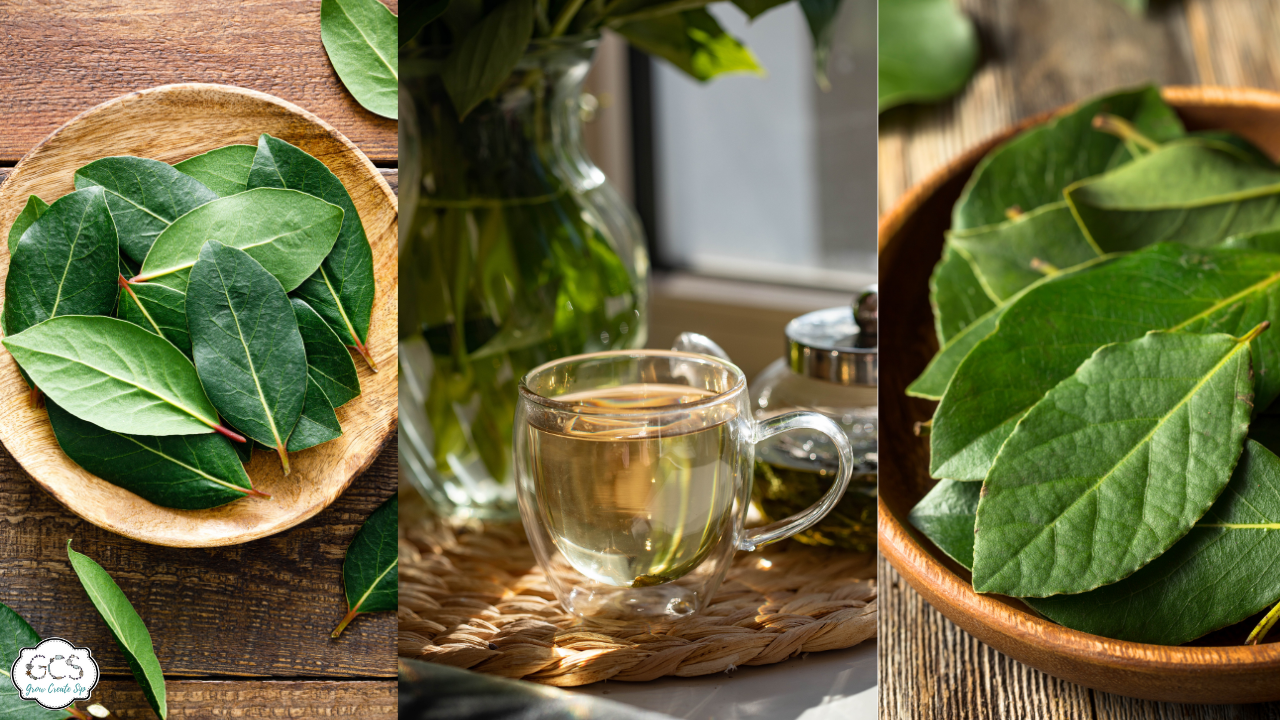
What’s fascinating is that the same Laurus nobilis once held in such high esteem is now crumbled casually into soups. Not all bay leaves are equal, though. Turkish bay leaves are the classic, with a sweet and mild flavor. California bay leaves come from a different plant (Umbellularia californica) and pack a sharper, more medicinal punch. Most recipes assume you’re using the Turkish variety.
How to Use Bay Leaves in Cooking and Tea
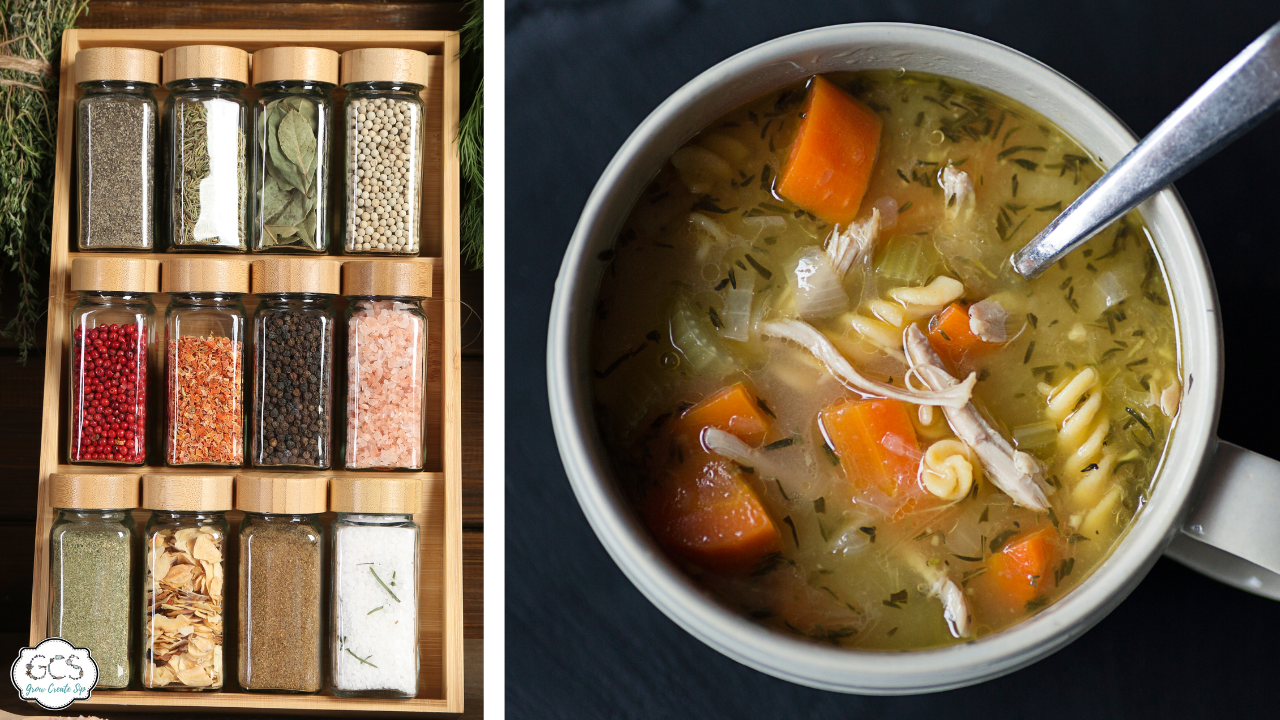
Bay leaves are often the quiet heroes in the kitchen. Whether simmering in beef stew, beans, or tomato sauce, that single leaf adds a woodsy, giving a slight depth.
Dried bay leaves are best for long simmers. Fresh leaves, on the other hand, are more delicate and floral, making them perfect for sauces or custards. Homemakers have long added bay to beans for flavor and to ease digestion. You can even infuse bay leaves in sugar syrup for desserts like puddings or ice cream (as Martha Stewart suggests). For something unique, try steeping fresh bay leaves in warm milk before making rice pudding.
If you're interested in learning more about how to cook with herbs or using herbs in desserts, we've got recipes and ideas to explore!
You can learn more about how to steep tea properly if you're just getting started.
Other Homemaking Uses for Bay Leaves
- Tuck a few dried leaves into flour or grain jars to deter pantry pests.
- Infuse bay leaves in oil and massage into sore muscles.
- Keep a potted bay plant near the kitchen for a quick snip when cooking.
Bay reminds us that herbal living doesn’t have to be complicated or expensive. It often begins with what we already have on hand.
Looking to build your own apothecary? Check out our guide on the Top 10 Healing Herbs for the Home Apothecary.
How to Grow Bay Laurel
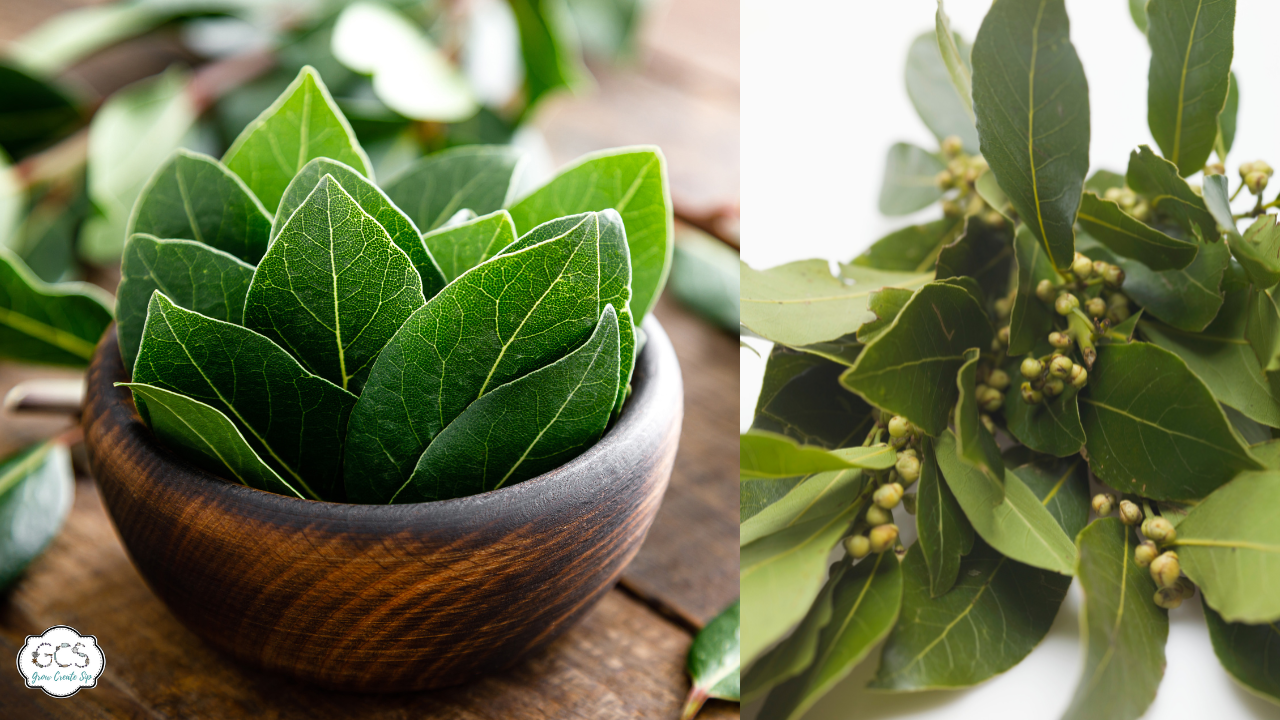
Bay laurel is as attractive as it is useful. If you live in zones 8–10, it can grow outdoors year-round as a tall shrub or small tree. In cooler zones, grow bay in a pot and bring it inside for the winter.
Bay prefers full sun, well-drained soil, and occasional pruning to keep it tidy. Clip mature leaves as needed. To preserve, dry flat or use a dehydrator on low (95–115°F) to retain its aromatic oils.
There’s something deeply satisfying about seasoning a pot of soup or steeping a cup of tea with a leaf you grew yourself.
Fresh vs. Dried Bay Leaves
Both have their place. Fresh bay is milder and floral—best for sauces and milk-based dishes. Dried bay is stronger, woodsy, and ideal for long simmers in soups and stews. If you can grow your own, you’ll have access to both. Try them in different recipes to see which your family prefers.

Is Bay Laurel Safe? (Safety & Contraindications)
Bay leaf from Laurus nobilis is considered safe in normal culinary amounts. However, avoid swallowing the whole leaf, which can be sharp and difficult to digest.
Herbal use beyond the kitchen should be approached with care. People who are pregnant, breastfeeding, managing blood sugar, or taking medications should consult a qualified provider before using bay as a regular tea or supplement.
Bay essential oil is highly concentrated and not safe for internal use. It may irritate skin and mucous membranes if used improperly.
More Questions You May Have About Bay Leaf
How do I know if my bay leaves are the right kind for tea?
You want true Laurus nobilis, usually labeled as Turkish bay. California bay is a different plant and can be too strong for tea.
Can I use bay leaf tea daily?
It’s fine occasionally for most people. For regular daily use, check with your doctor or herbalist if you have any concerns or take medication.
What does bay tea taste like?
Bay tea is gently spicy and aromatic with a hint of floral. It pairs well with honey or lemon.
Can I blend bay with other herbs?
Yes! Try it with chamomile for calm, or mint and fennel for digestion support. You can also explore how to blend your own herbal tea.
Can I dry my own bay leaves at home?
Absolutely. Snip mature leaves, dry flat in a warm, dry space or use a dehydrator on low. Store in an airtight jar out of direct light.

Wrapping It Up in the Kitchen
Bay laurel is evergreen in more ways than one. It’s an ancient herb that still supports modern homes with its flavor, comfort, and versatility. If you’re just starting out with herbs, bay is a beautiful way to begin. All it takes is a jar of dried leaves, a hot pot of stew, or a warm teacup to step into a rhythm of traditional homemaking.
Want to build your own herbal home apothecary? Download our free Monograph Journal Pages and start your journey with making your own Materia Medica full of herbs and what they do. This is a great way to keep track of them all without having to remember all that information. We already have enough things to fill that space! Don't forget to grab your bulk herbs to fill your apothecary if you aren't ready to grow your own yet.
Learn More About Herbs Used in the Home Apothecary
- Using Herbal Monographs & Creating Your Own
- How to Grow, Harvest, and Use Licorice Root
- 10 Herbs Every Home Apothecary Needs
- How to Make Elder Flower Tea for Immune Support
- Everything You Always Wondered About Elderberry Plants
- Our Favorite Homemade Gummies