Herb Salt Recipe: How to Make Fresh Herb Salt You'll Actually Use
Oct 15, 2026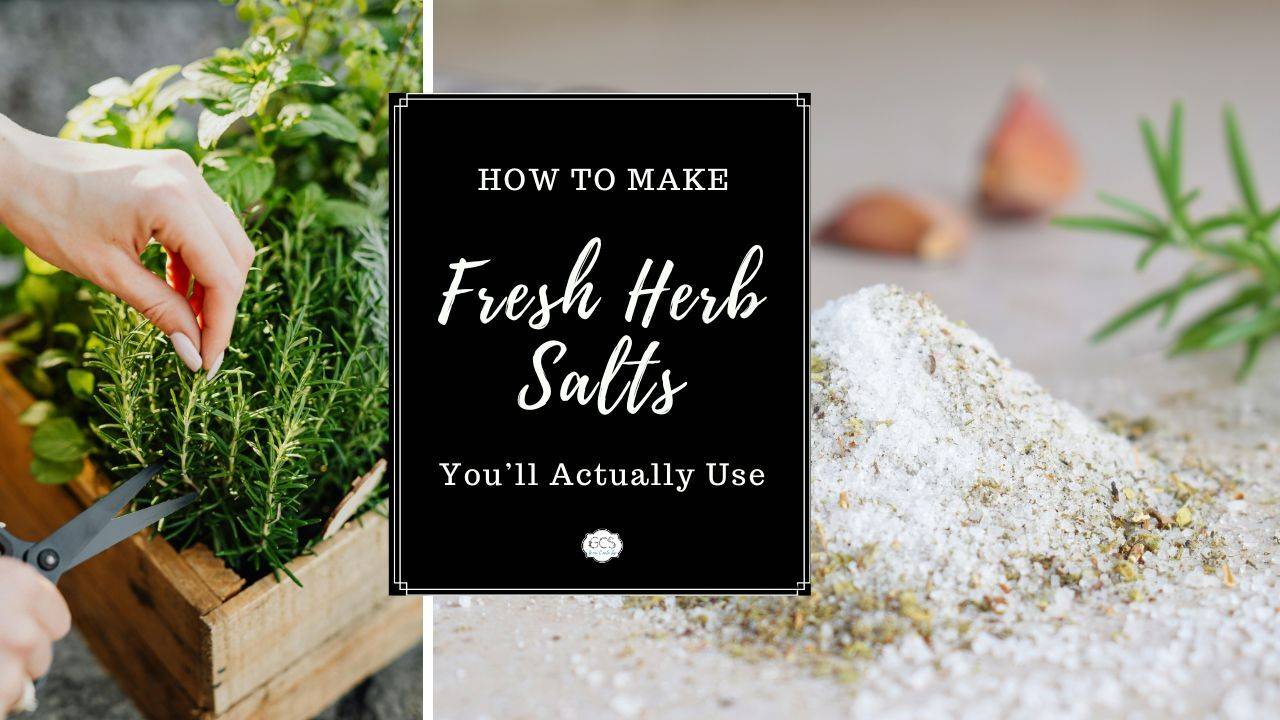
Last summer, I thought I was being efficient. The basil was coming in faster than I could keep up with, and instead of letting it go to waste, I made a large batch of basil salt. It felt like a good solution in the moment, something quick and practical that would carry that harvest into the coming year. And technically, it worked. I still have the basil salt. It isn't quite as bright green as it once was, but it's still there and still usable.
The problem is that I don't use it.
When I cook with basil, I'm usually making pesto or pasta sauce. Nothing about making either one reminds me to reach for a jar of basil salt. So there it sits. What started as a way to keep the basil from going to waste ended up tying up both the basil and the salt in something I rarely remember to use.
Looking back, the problem wasn't the herb salt. It was the decision behind it. I chose a preservation method because it was quick and because I had basil that needed dealing with, not because it fit the way I actually cook.
A good herb salt recipe should do more than preserve fresh herbs. It should turn herbs you already use into a seasoning you'll actually reach for. My basic small-batch ratio is 3/4 cup fine salt to 1/4 cup herbs and spices, with the blend built around meals your family already makes.
Jump to:
- When the Garden Gives More Than You Can Use
- Make Herb Salt for the Meals You Already Cook
- Four Herb Salt Blends for Everyday Cooking
- How to Make Herb Salt
- Build Your Own Herb Salt Blend
- Herb Salt Questions
This blog is provided by St. Fiacre's Farm LLC for informational purposes only. It does not constitute medical advice, and you should always seek the advice of a qualified healthcare provider for any medical questions or concerns. These statements have not been evaluated by the Food and Drug Administration. This product is not intended to diagnose, treat, cure, or prevent any disease.
Please note that we may earn a small commission on any purchases you make through our affiliate links, at no additional cost to you. Thank you for your support!
When the Garden Gives More Than You Can Use
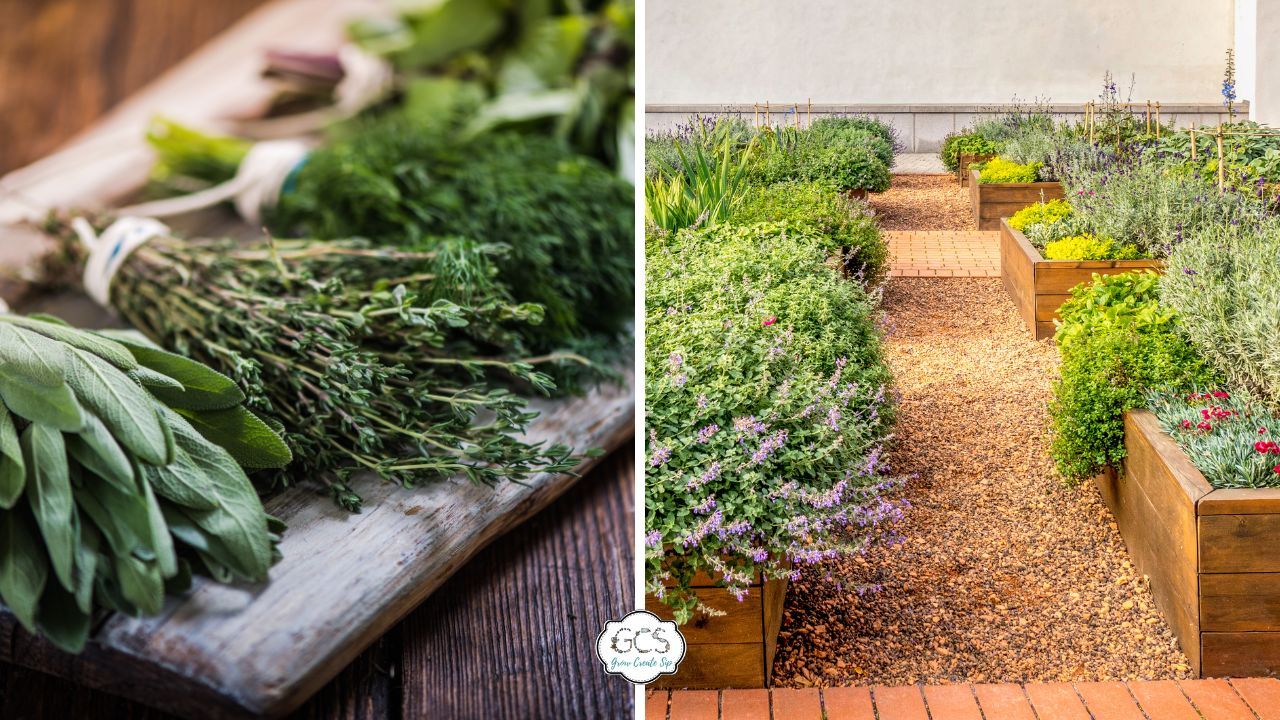
By mid-summer, herbs rarely come from the garden in nice recipe-sized amounts. You head outside for a sprig or two and come back with a handful, knowing there will be another handful waiting tomorrow.
That's part of the blessing of growing your own food and herbs, but it also creates a problem. We have to figure out how to make use of God's abundance before it slips past its prime and goes to seed. Knowing when to harvest your herbs helps, but once they're sitting on the kitchen counter, you still have to decide what you're going to do with them.
That's usually when we start looking for ways to preserve everything. We dry herbs, freeze them, make pesto, fill jars, or turn them into something that seems likely to last.
Herb salt fits nicely into that list. At its simplest, it's exactly what it sounds like: salt combined with herbs and spices so that seasoning your food becomes one step instead of several. It can also put some of a generous herb harvest to use.
But I've started to think there is a better question to ask before making it.
Instead of, "Which herbs do I need to use up?" ask, "What do I already cook?"
That's the difference between a jar that gets used and one that spends the next year sitting in the cupboard.

Make Herb Salt for the Meals You Already Cook
Most of us already build flavor in layers without thinking much about it. Salt goes in, then garlic, then herbs or spices. We tend to reach for the same combinations over and over because we're also making many of the same basic meals over and over.
That's where herb salt becomes useful.
If I make ground beef tacos regularly and always reach for salt, chili powder, oregano, garlic and cumin, combining those ingredients makes sense. I'm not creating another specialty seasoning I need to remember. I'm combining several steps I already take.
The same is true of chicken seasoned with thyme and sage or a steak seasoned with salt, garlic, onion and pepper. These aren't particularly fancy combinations. That's precisely the point.
For these small batches, I'm using a basic 3:1 ratio: 3/4 cup fine salt to 1/4 cup total herbs and spices. I use fine Redmond Real Salt because that's the salt already in my kitchen, and its fine texture distributes nicely throughout the chopped herbs and seasonings.
Rather than turning the entire herb harvest into salt, make one small jar first. Put it where you'll see it, cook with it, and find out whether it actually earns a place in your kitchen.
Four Herb Salt Blends for Everyday Cooking
These blends aren't based on novelty. They're built around seasoning combinations that already belong with ordinary meals.
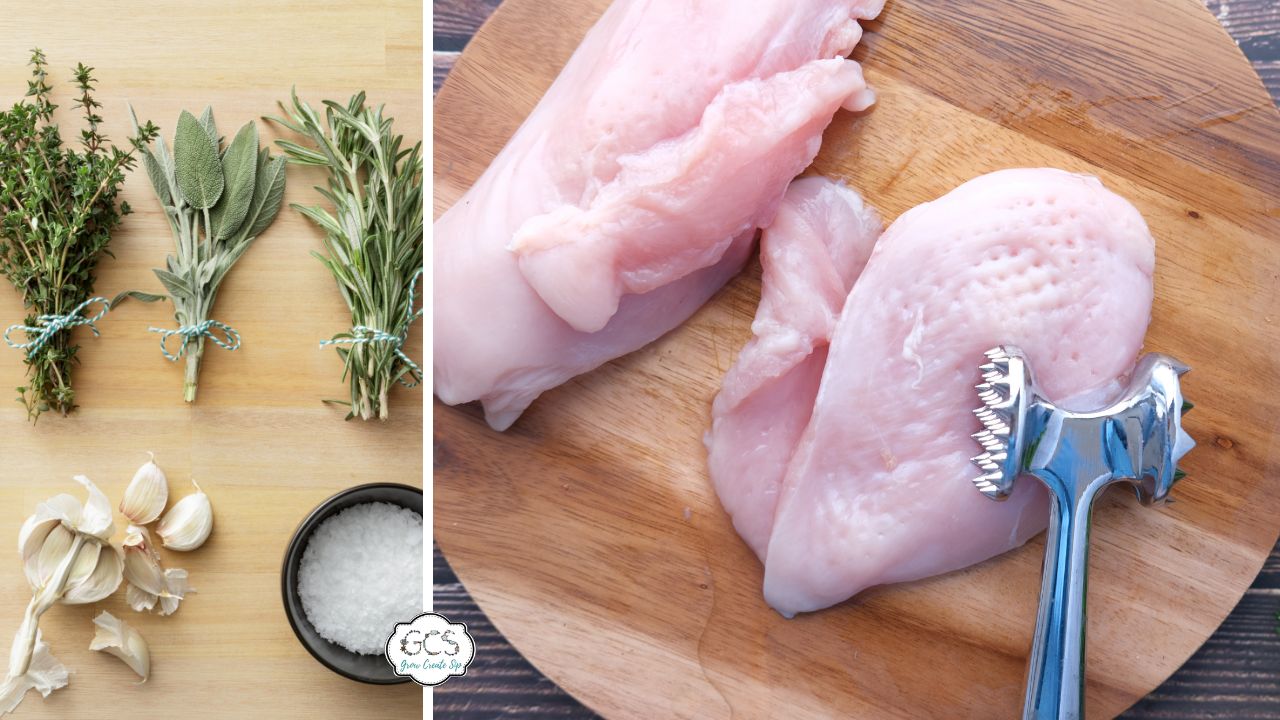
Poultry Herb Salt
Thyme, sage and rosemary are flavors I already associate with chicken, so this blend puts the herbs and salt together in one jar.
For a small batch, combine:
- 3/4 cup fine salt
- 2 tablespoons fresh thyme
- 1 1/2 tablespoons fresh sage
- 1/2 tablespoon fresh rosemary
Use it when seasoning chicken or other simple savory dishes where you would ordinarily reach for these herbs separately.
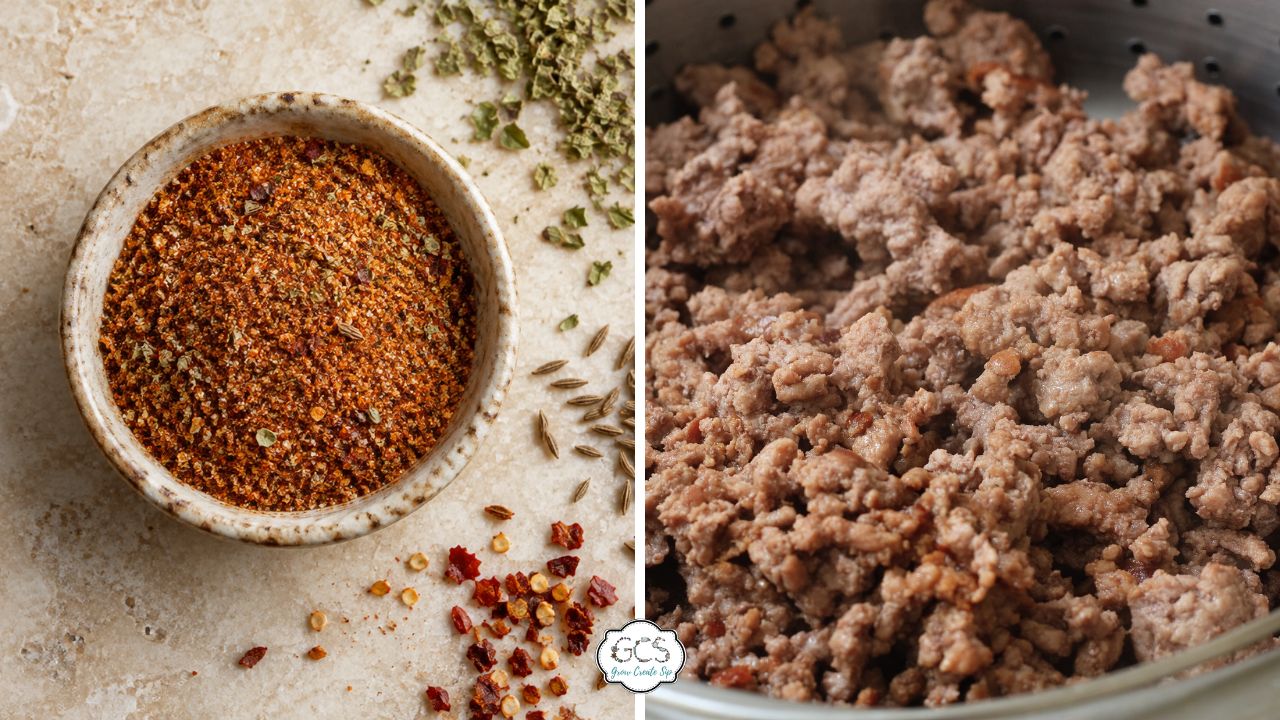
Taco Salt
This one is particularly practical for ground beef tacos. Instead of pulling salt and several seasonings from the cupboard every time, they're already together.
For a small batch, combine:
- 3/4 cup fine salt
- 2 tablespoons chili powder
- 1 tablespoon dried oregano
- 1/2 tablespoon garlic powder
- 1/2 tablespoon cumin
It's not a complicated kitchen trick. It just makes something I already cook a little easier.
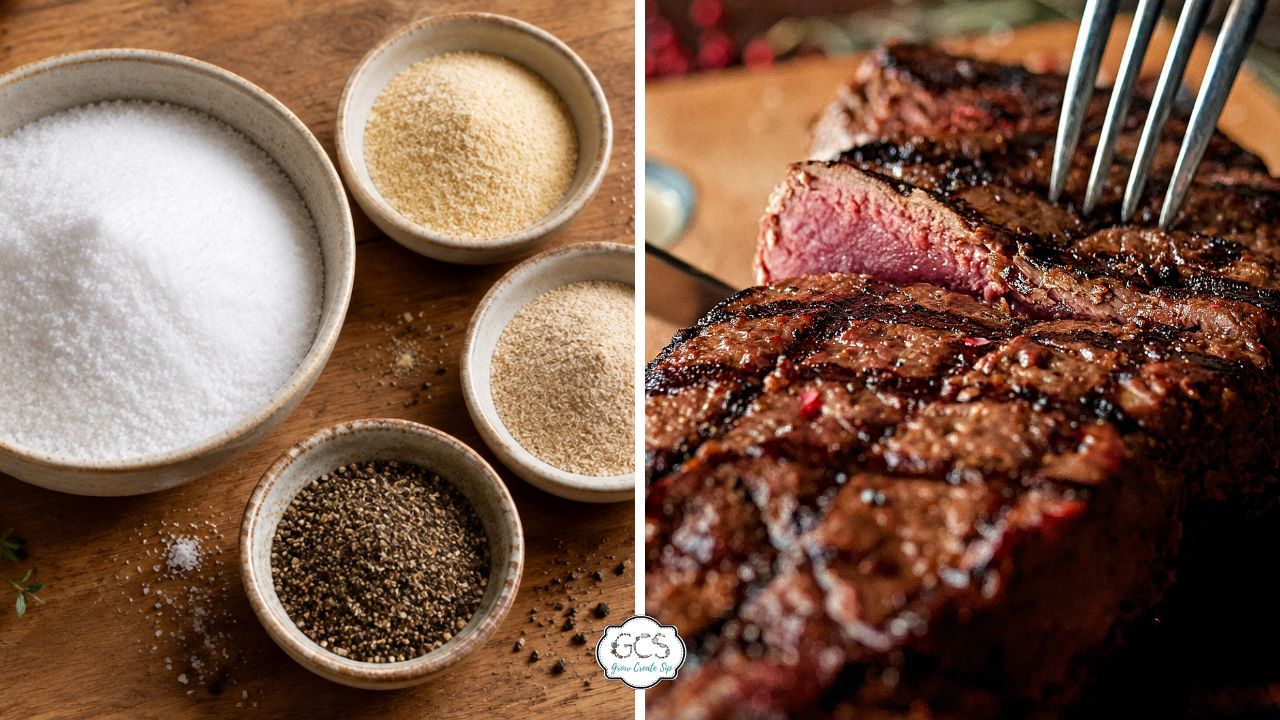
Steakhouse Salt
Steakhouse salt follows the same idea. Salt, garlic, onion, and black pepper are already a familiar combination for steaks cooked at home, so there isn't anything new to remember.
For a small batch, combine:
- 3/4 cup fine salt
- 2 tablespoons garlic powder
- 1 1/2 tablespoons onion powder
- 1/2 tablespoon freshly ground black pepper
This is also an easy blend to experiment with on other savory foods where you normally use the same basic seasonings.
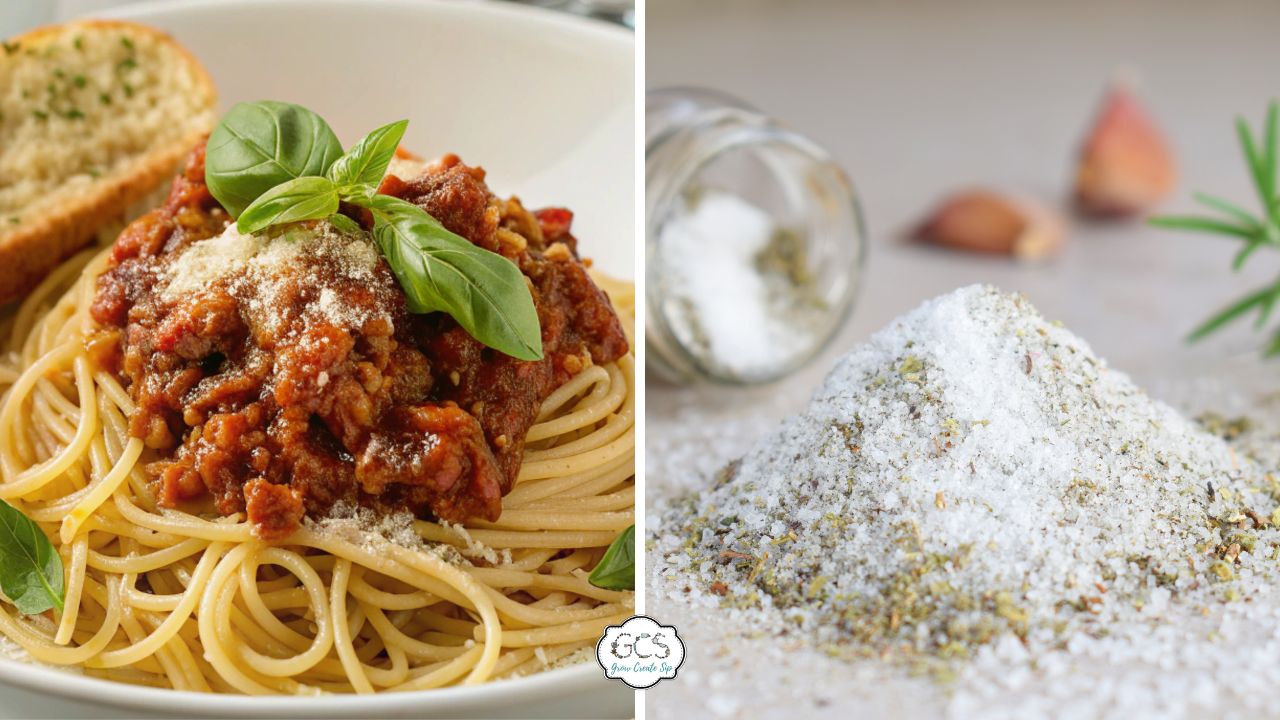
Italian Herb Salt
This is where basil finally makes more sense for my kitchen. Instead of making basil carry the entire blend, it becomes part of the combination of herbs I would be more likely to use together.
For a small batch, combine:
- 3/4 cup fine salt
- 2 tablespoons fresh oregano
- 1 tablespoon fresh basil
- 1 tablespoon fresh thyme
That gives me a seasoning that fits the kinds of pasta sauces, meats, and vegetables where I'm already likely to use Italian herbs.
If you enjoy making your own seasoning blends, you might also like these easy homemade seasoning mixes. The same idea applies: build useful combinations around the food you're actually cooking.
How to Make Herb Salt
Once you've decided what you're actually going to use the salt for, making it is the easy part.
If you're using fresh herbs, rinse them if needed and thoroughly pat them dry before chopping. Remove any tough stems, finely chop the leaves, and measure your herbs and spices so you have 1/4 cup total.
Mix those with 3/4 cup fine salt until the herbs and seasonings are distributed throughout the salt.
Because fresh herbs contain moisture, spread the mixture thinly on a plate for a short time, just long enough for any excess surface moisture to dissipate, before transferring it to a clean, dry jar.
And label it.
That sounds like an unnecessary instruction until six months from now when you're standing in the pantry holding a jar of green-speckled salt and trying to remember what you put in it.

Build Your Own Herb Salt Blend
You don't have to use one of my combinations. In fact, the whole point of this is to make a blend for your kitchen.
Keep the same basic small-batch ratio of 3/4 cup fine salt to 1/4 cup, or 4 tablespoons, of herbs and spices. You might use 2 tablespoons of one herb, 1 tablespoon of another, and 1 tablespoon of a third herb or spice.
But don't start in the garden. Start at the dinner table.
Think about the meals you make repeatedly and the seasonings you pull out every time. Maybe your family eats roasted potatoes twice a week. Maybe it's scrambled eggs, hamburgers, roast chicken, taco meat, or grilled vegetables.
Then look at which herbs and spices you're already using together. That's your herb salt.
This also means you don't need to turn the whole harvest into salt. Use a small portion for a blend you know has a purpose, then dry, freeze or otherwise preserve the rest in a form that gives you more options later. If drying is part of your plan, knowing the best ways to store dried herbs will help you keep the rest of that harvest useful for later.
Put the Jar Where You'll Actually Use It
There was another problem with my basil salt: I put it away.
Where an herb salt lives matters almost as much as what's in it. If it's hidden in the pantry with the things I only occasionally use, I'm probably going to forget about it. If it's beside the stove where I normally reach for salt, it has a much better chance of becoming part of dinner.
The idea is to use herb salt in place of reaching for the salt and those same seasonings separately, not to create one more ingredient you have to remember to add.
That's why ordinary meals are the best test. Try it on the ground beef, chicken, steak, eggs, potatoes or vegetables you're already cooking. If you empty the little jar, you've found a blend worth making again.
If you don't, you've only committed 3/4 cup of salt instead of next year's entire basil harvest.
A Few Herb Salt Questions
Can I make herb salt with dried herbs?
Yes. In fact, the taco and steakhouse blends above rely mostly or entirely on dried herbs and spices. You don't have to wait for the garden to make a useful seasoning blend.
Fresh herbs are especially handy when you're trying to put some of the garden harvest to work, while dried herbs and spices make it easy to build blends around the way you cook year-round.
What kind of salt is best for herb salt?
I use fine Redmond Real Salt because it's what I normally cook with, and I like the way the fine texture mixes with the herbs and spices.
You can make herb salt with other salts as well. More important than buying a special salt for this project is choosing one that works with the way you normally cook.
What can I use herb salt on?
That depends on what you put in it, which is exactly why I think it's worth deciding on the use before deciding on the blend.
Poultry salt has an obvious place on chicken. Taco salt goes into taco meat. Steakhouse salt goes on the steaks we're already cooking at home. An Italian blend makes sense in the dishes where I would normally use oregano, basil, and thyme.
Once you think of herb salt as a shortcut for seasoning combinations you already use rather than a special finishing salt, finding ways to use it becomes much easier.
Preserve What You'll Actually Use
When we're homestead-minded or frugally minded, it's easy to think that as long as something is preserved, it counts. My basil salt was preserved. I can prove it because the jar is still sitting there. But preserving something isn't terribly useful if it never becomes part of dinner.
This season, I'm trying to start at the other end. What do we actually eat? What will I reach for? What makes sense to preserve in this particular form? Then I can decide how much of the harvest belongs in a jar, how much belongs in the freezer, and how much should become the pesto or pasta sauce I know we'll eat.
It's a small shift, but it makes for a much more useful pantry.
And herbs can do far more in that pantry than season dinner. If you'd like more practical ways to use familiar herbs you may already grow or keep on hand, the Homestead Pantry Herbs E-book walks you through simple herbal recipes, harvesting and storage tips, herbal monographs, and practical ways to turn everyday pantry herbs into things you'll actually use around the home.
Learn More About Growing, Harvesting & Using Your Herbs
- How and When to Harvest Herbs: A One Stop Guide
- How to Dry Herbs Without a Dehydrator
- Best Ways for Storing Herbs After Dehydration
- Growing Herbs in Pots (And Perennials)
- Easy Homemade Seasoning Mixes for Spring
- How to Make Herb-Infused Oils with Medicinal Herbs