Goldenrod Uses, Harvesting, Drying & Growing Guide
Oct 13, 2026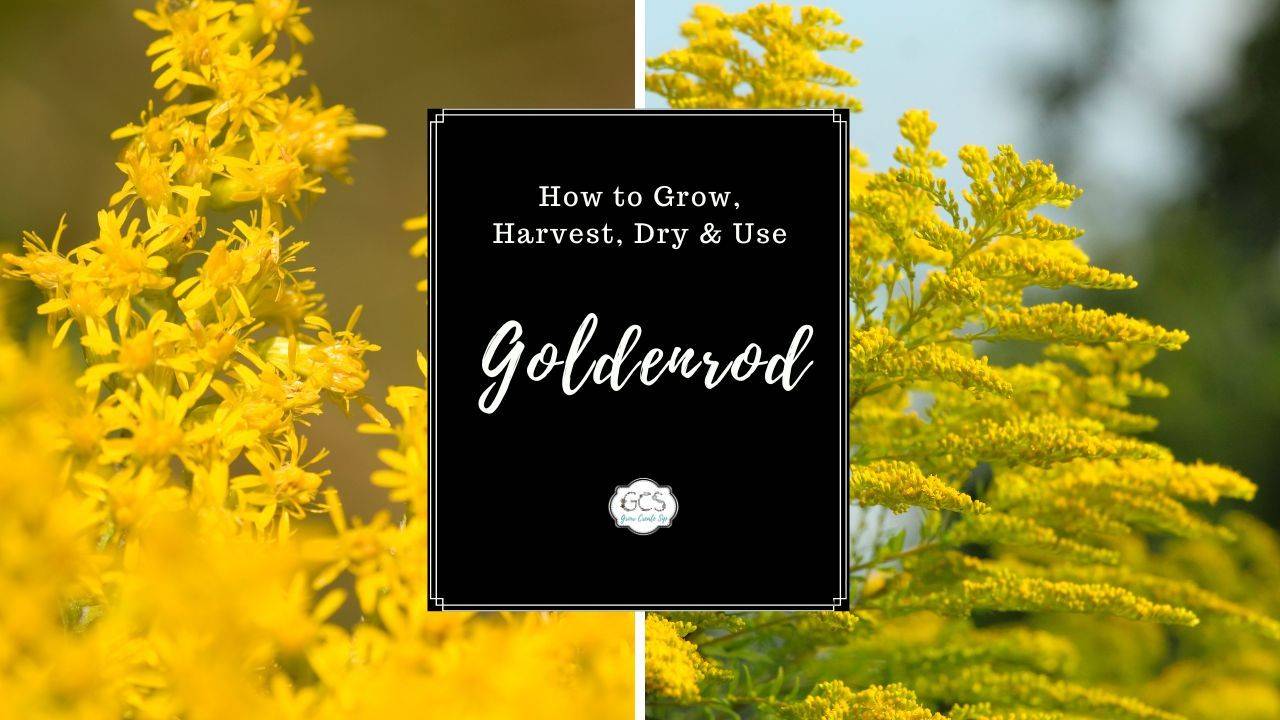
Just when it seems like the garden is beginning to wind down, goldenrod steals the show. Its bright golden plumes stretch across fields, fence lines, and roadsides, bringing color to a landscape that is slowly getting ready for autumn. While many summer flowers are dwindling, goldenrod is just getting started, creating a late-season food source for bees, butterflies, and other beneficial insects before winter arrives.
Unfortunately, goldenrod has spent years being blamed for fall allergies. In reality, it is often ragweed, which blooms at the same time, that is the true culprit for many seasonal sniffles. Goldenrod's pollen is heavy and sticky, relying on insects rather than the wind to spread it, so it is much less likely to trigger hay fever. Many people have appreciated goldenrod for much more than its beautiful flowers.
From its traditional use for supporting the urinary tract to earning a place in the fall tea cupboard, this cheerful wildflower has become a favorite herb for many home apothecaries. Goldenrod (Solidago spp.) is a hardy perennial wildflower traditionally used in herbal preparations such as teas, tinctures, infused oils, and salves. The flowering tops and leaves can be harvested in late summer and early fall, dried for later use, or enjoyed as an important late-season plant for pollinators.
Jump to: Meet Goldenrod | Traditional Uses | Harvesting Goldenrod | Drying for Winter | Brewing & Blending | Growing Goldenrod | Things to Keep in Mind | FAQs
The Legal Stuff
This blog is provided by St. Fiacre's Farm LLC for informational purposes only. It does not constitute medical advice, and you should always seek the advice of a qualified healthcare provider for any medical questions or concerns. These statements have not been evaluated by the Food and Drug Administration. This product is not intended to diagnose, treat, cure, or prevent any disease.
Please note that we may earn a small commission on any purchases you make through our affiliate links, at no additional cost to you. Thank you for your support.
Meet Goldenrod
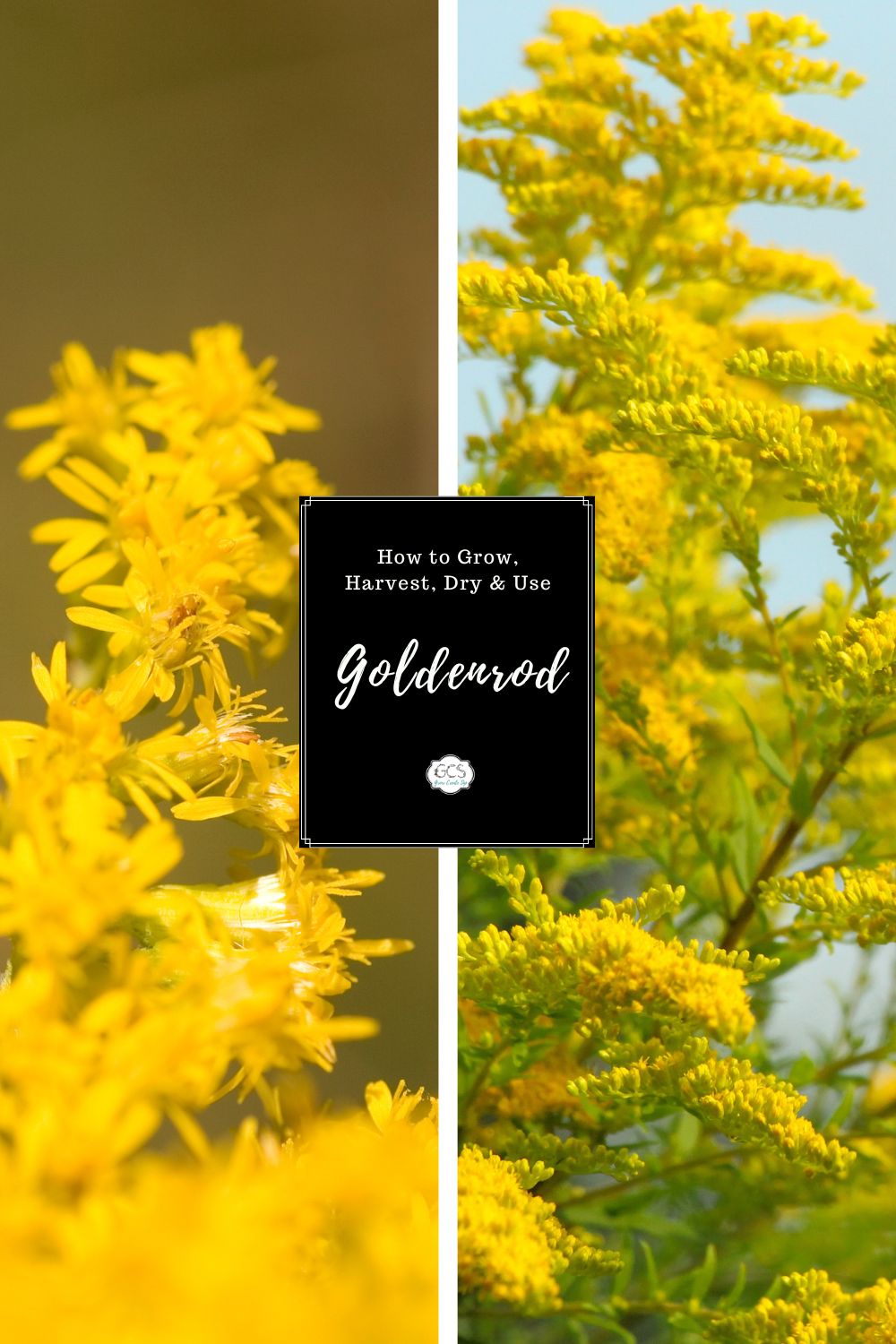
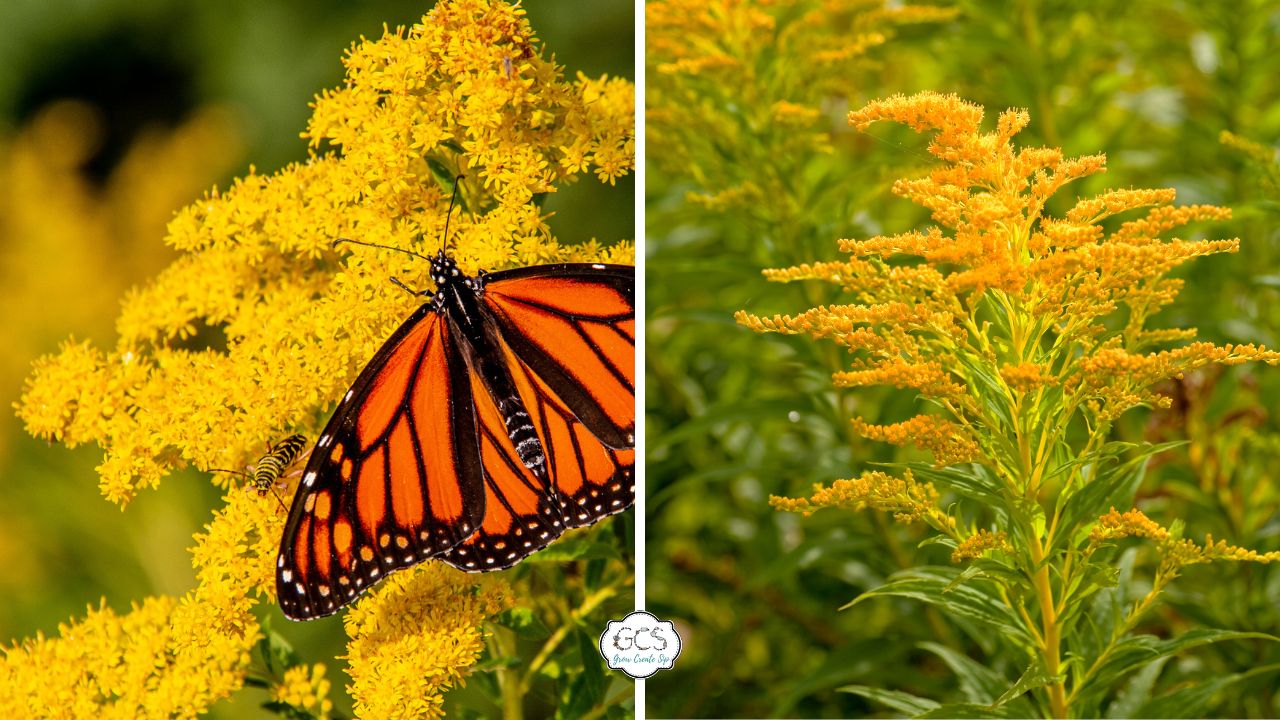
Goldenrod (Solidago spp.) is a hardy perennial in the Asteraceae family, native to North America and Mexico and now growing naturally in many other parts of the world. It produces tall stems lined with narrow, alternate leaves that resemble blades of grass. Near the top of each stem, hundreds of tiny yellow flowers form graceful arching clusters that seem to glow in the late summer sun.
Underground, creeping rhizomes help the plant return year after year. There are many different species of goldenrod, and while they share many similarities, it's always helpful to know which variety you're growing or harvesting. If you're learning to work with individual herbs like goldenrod, keeping your own notes can be especially helpful. Our Herbal Monograph Guide walks through how to record what you're learning about each plant.
More Than Just a Pretty Wildflower
Goldenrod has been used in traditional herbalism for centuries, particularly throughout North America. Many Native American communities traditionally used goldenrod in preparations for urinary support, skin care, and herbal teas. Today, herbalists continue to appreciate goldenrod as a multipurpose herb for the home apothecary.
The flowering tops and leaves naturally contain flavonoids, saponins, tannins, volatile oils, diterpenes, and phenolic glycosides. Herbalists describe goldenrod as having a bitter, aromatic, slightly pungent flavor with warming and drying qualities. One of goldenrod's best-known traditional uses is supporting normal urinary function. Because it has long been used as a gentle diuretic, it is often included in herbal blends intended to encourage healthy fluid movement and support normal urinary tract function.
It pairs especially well with herbs like nettle, marshmallow root, corn silk, and uva-ursi. Goldenrod has also traditionally been used in seasonal herbal preparations, including teas enjoyed during times when the upper respiratory system could use a little extra support. Since it blooms just as the seasons begin to change, it's easy to see why goldenrod has become a favorite herb to harvest each fall. It doesn't stop there. Goldenrod has also traditionally been used in infused oils, salves, compresses, and washes for everyday skin care, making it a useful herb to keep on the apothecary shelf.
Harvesting Goldenrod
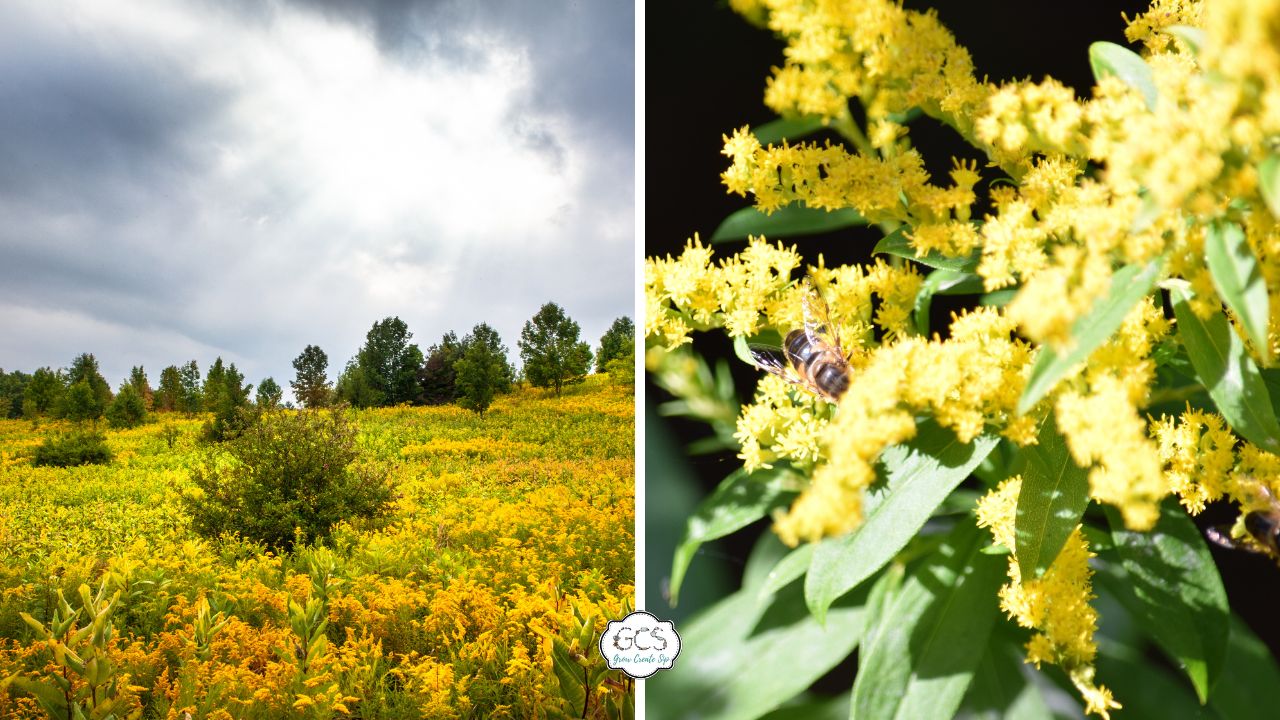
If you plan to forage your own goldenrod, timing is important. Harvest on a dry morning after the dew has evaporated, when the flowers are almost, but not quite, fully open. Using clean scissors, cut the flowering tops just below the first few leaves. This is when the plant is at its peak for drying and storing. If you're harvesting from the wild, make sure to positively identify the plant before picking. As with any wild herb, learning from an experienced forager or a reliable field guide is worth the time and effort. If you're new to harvesting your own herbs, you may also find our How and When to Harvest Herbs guide helpful for understanding when to gather different plant parts.
Drying Goldenrod for Winter
Late summer is one of the busiest times in the apothecary. Herbs are being harvested, bundled, and dried so they're ready to use throughout the fall and winter. Goldenrod is one of those herbs that's worth making room for on the shelf. Goldenrod is easy to preserve. Roughly chop the fresh herb and dry it in a dehydrator set between 95° and 115°F until the stems snap cleanly. Depending on humidity, this usually takes one to four hours. If you prefer the traditional method, tie small bundles together and hang them upside down in a warm, well-ventilated space for two to three weeks. Once completely dry, store the herb in airtight glass jars away from heat and direct sunlight. Don't have a dehydrator? Here are several practical ways to dry herbs without a dehydrator.
Brewing and Blending Goldenrod
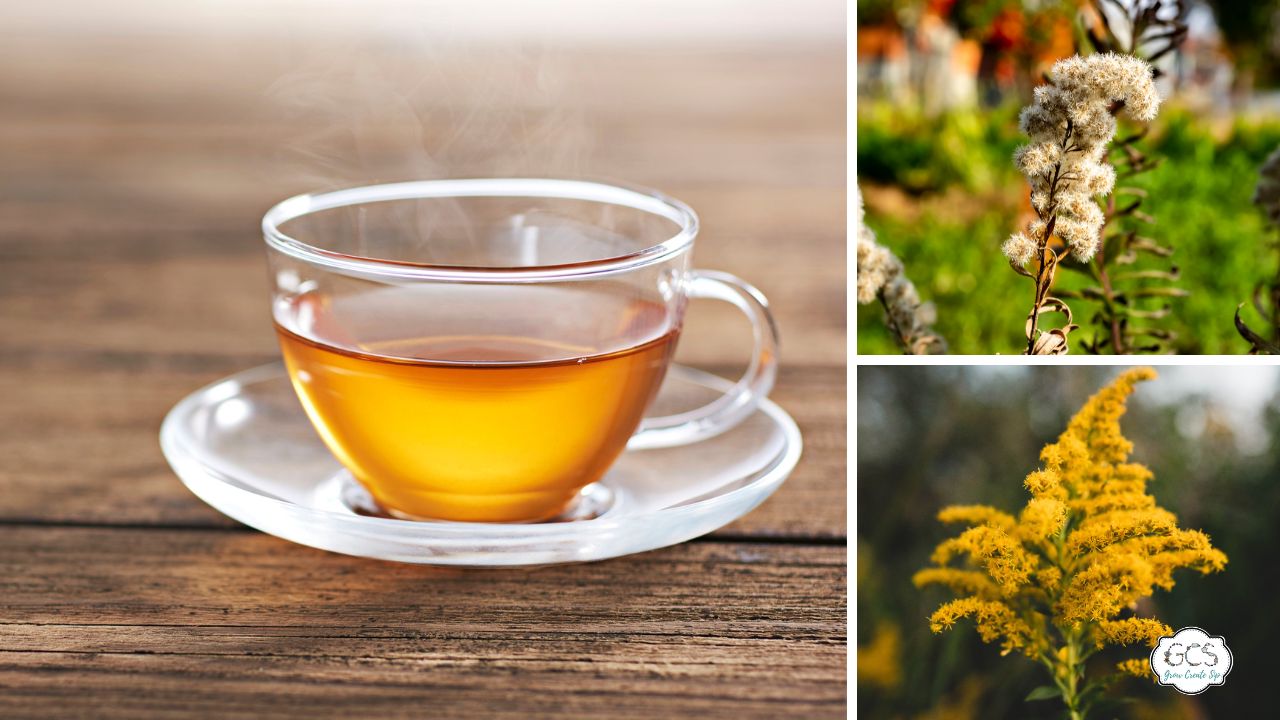
Goldenrod makes an earthy herbal tea with a mildly bitter, floral flavor. While some people enjoy it on its own, it does best when blended with other herbs. Try combining it with apple, elderberry, lemon peel, nettle, rose petals, fennel, or a touch of marshmallow root for a tastier cup. To prepare a simple infusion, add 1 to 3 teaspoons of dried goldenrod to 8 ounces of freshly boiled water. Cover and steep before straining. Goldenrod can also be prepared as:
- Herbal teas
- Tinctures
- Syrups
- Infused oils
- Salves and balms
- Compresses
- Culinary powders for herbal recipes
If you're interested in learning why herbs are combined rather than always used alone, our guide to making your own herbal tea blends is a helpful next step.
Growing Goldenrod at Home
If you're looking for a dependable herb, goldenrod is a great choice. Once it's established, it returns each year and produces plenty of blooms for both pollinators and your apothecary. Most varieties grow well in USDA Zones 3 through 9 and thrive in full sun to partial shade with well-drained soil. Space plants one to three feet apart, and the plant will continue to come back year after year, providing a repeated gift from God for your apothecary.
You can grow goldenrod from seed after a period of cold stratification or divide established plants in late spring or early summer. It's also a wonderful addition to a pollinator garden. Bee balm, echinacea, butterfly weed, and black-eyed Susan all make excellent companions, creating a colorful flower garden that supports beneficial insects well into the fall.
A Few Things to Keep in Mind
Goldenrod isn't for everyone. Traditional herbal references recommend avoiding its use during pregnancy. Those with allergies to plants in the aster family should use caution, and anyone taking prescription diuretics should speak with their healthcare provider before using goldenrod. If you choose to forage for goldenrod, always be certain of your identification.
Frequently Asked Questions About Goldenrod
Is goldenrod the same plant as ragweed?
No. Goldenrod and ragweed are different plants, although they often bloom at the same time. Goldenrod produces showy yellow flowers designed to attract insect pollinators. Ragweed has much less noticeable flowers and produces lightweight pollen that travels through the air.
Which part of goldenrod do you harvest?
For the uses described here, the flowering tops and upper leaves are the primary parts harvested. Cut the tops while the flowers are beginning to open and the plant still looks fresh and healthy.
How do I know when dried goldenrod is ready to store?
The herb should be completely dry before it goes into a jar. The stems should snap cleanly rather than bend, and there should be no remaining dampness in the flowers or leaves. Storing herbs before they're fully dry can trap moisture inside the jar.
Why did my dried goldenrod turn fluffy?
Goldenrod flowers can continue maturing after harvest. If they're harvested after the flowers are too far along, the flower heads may begin producing fluffy seed material as they dry. Harvesting when the flowers are almost, but not completely, open helps preserve the yellow flowering tops.
Can goldenrod be grown in a home garden?
Yes. Goldenrod is a perennial, and many varieties are hardy across a wide range of growing zones. Keep in mind that some species spread by underground rhizomes, so choose its location with its mature growth habit in mind.
Does goldenrod attract pollinators?
Yes. Its late-season flowers provide an important food source for bees, butterflies, and other beneficial insects at a time when many summer flowers have already finished blooming.
Bringing a Little Sunshine Into Autumn
Goldenrod is a great reminder that the garden isn't finished just because summer is ending. While tomatoes may be slowing down and the first cool mornings begin to arrive, there are still herbs to gather, flowers to admire, and bees busily working among the blossoms. Every bundle of goldenrod hanging in the apothecary reminds us that part of life is learning to think ahead. We gather while the gardens are abundant, dry what we can, and tuck it away for the colder months. Then, when winter finally settles in, we can enjoy a cup of tea that carries with it a little piece of summer's sunshine.
Keep Learning One Herb at a Time
Learning herbs becomes much easier when you take them one plant at a time. If you'd like a simple place to keep track of what you're learning as you grow, harvest, dry, and use herbs like goldenrod, download our free Herbal Monograph Journal Pages and begin building your own materia medica.
More Herbal Growing, Harvesting & Foraging
- How and When to Harvest Herbs: A One Stop Guide
- How to Dry Herbs Without a Dehydrator
- Best Food Dehydrator for Drying Fresh Herbs
- Herbal Monograph Guide & How to Write Your Own
- Most Affordable and Productive Herbs to Grow
- How to Use Marshmallow Root: Tea, Syrup, Salve & More