Preparing Your Herbal Apothecary for Winter
Oct 06, 2026
When autumn finally arrives, much of the work of stocking my herbal apothecary is already underway. Elderflowers were gathered in early summer, mullein leaves were dried before the summer heat faded them, and elderberries have been making their way through the dehydrator as they ripen.
Autumn is when I take inventory, refill what has been used throughout the year, and prepare my apothecary for winter. I often think of our apothecary as our family's health insurance. Not because I expect herbs to handle every medical situation, but because I believe one of the best investments I can make is helping my family stay well.
Just as I keep a well-stocked pantry and larder, I also keep a well-stocked apothecary. The herbs, tinctures, syrups, salves, and dried botanicals we use most are already on hand, rather than becoming an afterthought once someone begins to feel under the weather. Preparing an herbal apothecary for winter starts with taking inventory of what you already have, checking dried herbs for freshness, replacing what needs to go, organizing your shelves, and restocking the herbs and preparations your household actually uses.
Jump to: Taking Inventory | Fall Harvesting | Organizing the Apothecary | Storing & Labeling Herbs | Herbs I Stock for Winter | Winter Preparations | FAQs
The Legal Stuff
This blog is provided by St. Fiacre's Farm LLC for informational purposes only. It does not constitute medical advice, and you should always seek the advice of a qualified healthcare provider for any medical questions or concerns. These statements have not been evaluated by the Food and Drug Administration. This product is not intended to diagnose, treat, cure, or prevent any disease.
Please note that we may earn a small commission on any purchases you make through our affiliate links, at no additional cost to you. Thank you for your support.

Taking Inventory of the Herbal Apothecary
Every fall I begin by pulling every jar off the shelf. Empty jars go onto my refill list, while herbs that have faded in color, lost their aroma, or no longer inspire confidence are composted. As a general rule, herbs that have been on my shelf for more than two years are replaced with a fresh harvest or a new supply. Dates are only part of the story.
Every jar gets opened. I look at the color, smell the herb, and ask myself one simple question: Would I be happy to brew a cup of tea with this today? If the answer is no, it doesn't belong in my apothecary. If a jar is nearing the end of its useful life but is still perfectly good for cooking, I'll move it to my kitchen spice cabinet so it gets used up quickly rather than go to waste.
Moisture is different. If herbs have been exposed to moisture or I suspect mold, they're discarded immediately. It's simply not worth taking the risk. As the older herbs come off the shelves, fresh ones begin taking their place.
Bringing the Fall Herb Harvest Indoors
By September, I'm usually still harvesting from the garden every week. Elderberries are finishing, rose hips are beginning to color, and Oregon grape root waits until late fall after the shrub has gone dormant and stored its energy in the roots. I'll gather the last healthy mullein leaves before they disappear for the season while my dehydrator runs almost daily.
If you're still gathering from the garden too, my How and When to Harvest Herbs guide goes into more detail about harvesting different plant parts throughout the growing season. During this season my apothecary isn't always neat. Drying trays cover the counter, herbs wait to be destemmed, empty jars seem to multiply overnight, and labels end up scattered across the worktable. It looks like a mess, but it's a productive one. Every herb that gets dried, labeled, and put into a jar is one less thing to worry about later. If your harvest is coming in faster than you can process it, there are several ways to dry herbs without a dehydrator, too.
How I Organize My Home Herbal Apothecary
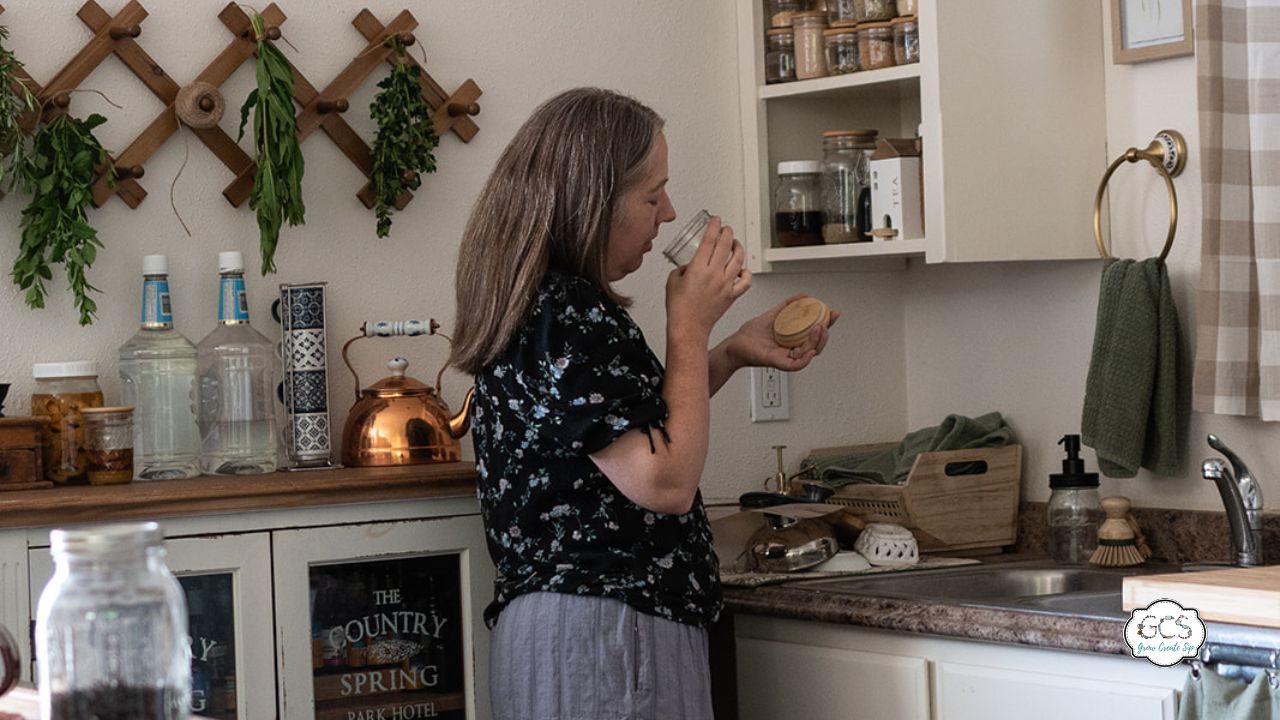
Over the years, I've settled into an organization system that works well for me. As you build your own apothecary, you'll probably do the same. Don't be afraid to adjust things until your shelves make sense to you and reaching for the herbs you use most feels like second nature.
I organize my dried herbs by plant part. Flowers share one section, leaves another, roots another, and culinary spices have a place of their own. After years of blending teas and preparing herbs, that's simply how my brain works. When I need marshmallow root, I know exactly where to reach. The same is true for chamomile flowers or peppermint leaves.
My tinctures are stored differently. Since the bottles all look similar, I keep them alphabetized in amber glass bottles inside a cabinet away from direct light. Salves require much less room, so they stay together in a cool, dark drawer.
Storing and Labeling Dried Herbs
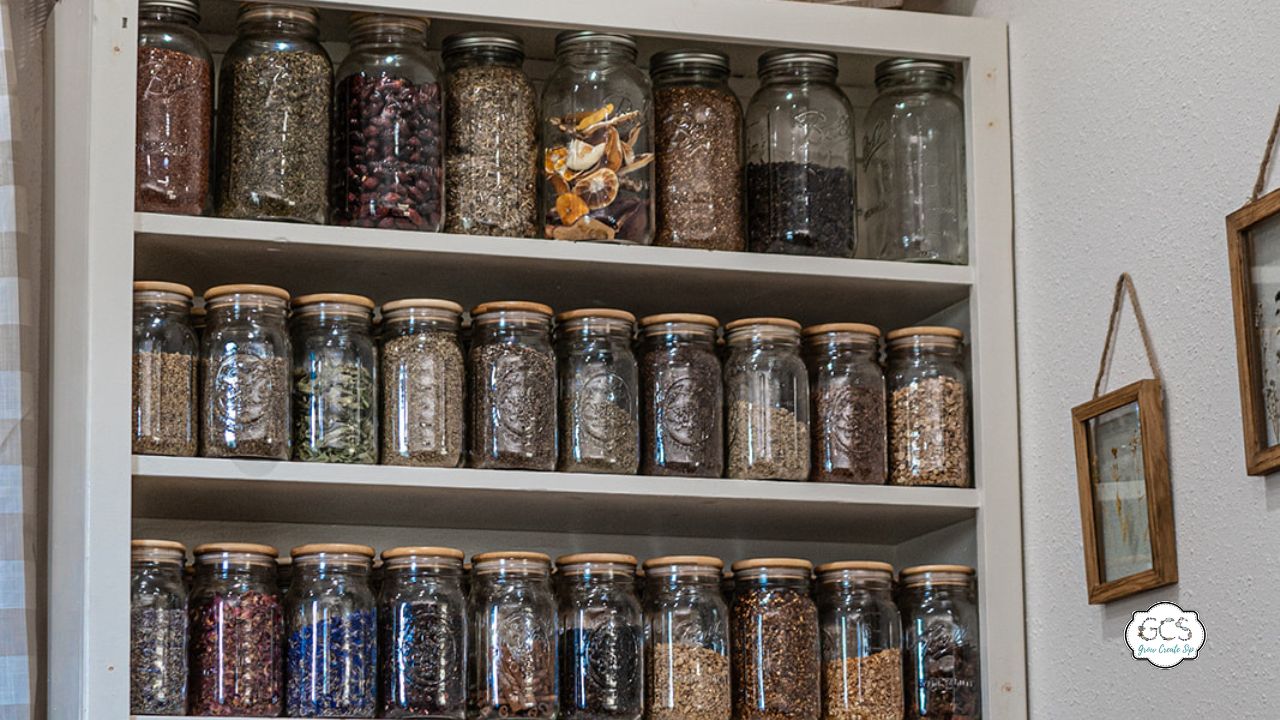
Most of my dried herbs are stored in clear mason jars with bamboo lids and rubber seals. Mason jars are inexpensive, easy to find during canning season, and available in almost every size. I also appreciate their timeless appearance. A shelf lined with glass jars reminds me of the old home apothecaries that inspired me to start one of my own.
The herbs I use most often stay where I can reach them easily. Peppermint usually lives in a half-gallon mason jar because we use so much of it. Herbs I use less frequently stay in quart or pint jars. My labels are intentionally simple. I write the common name and the year the herb was harvested or purchased using a white chalk marker on black chalkboard labels. Since I'm usually the one reaching for the jars, that's all I need.
If you've purchased herbs in bulk, I do recommend keeping the supplier's lot number. Whenever I buy herbs or spices, I simply save the best-by label and place it on the jar. If a supplier ever issued a recall, I'd know exactly which jar came from that lot. If you wanted more details but not on your jar, you could keep a log book using the lot number. This is what we do at Farmhouse Teas with every herb that we use in our teas. Herbs that are used regularly can stay where you'll see and remember them. Herbs intended for long-term storage should be kept in a cool, dry place away from heat and direct light.
The Herbs I Make Sure Are Stocked for Winter
As the shelves begin filling again, I pay special attention to the herbs my family uses year after year. Peppermint and lemon balm are always stocked because they're among the teas we drink most often.
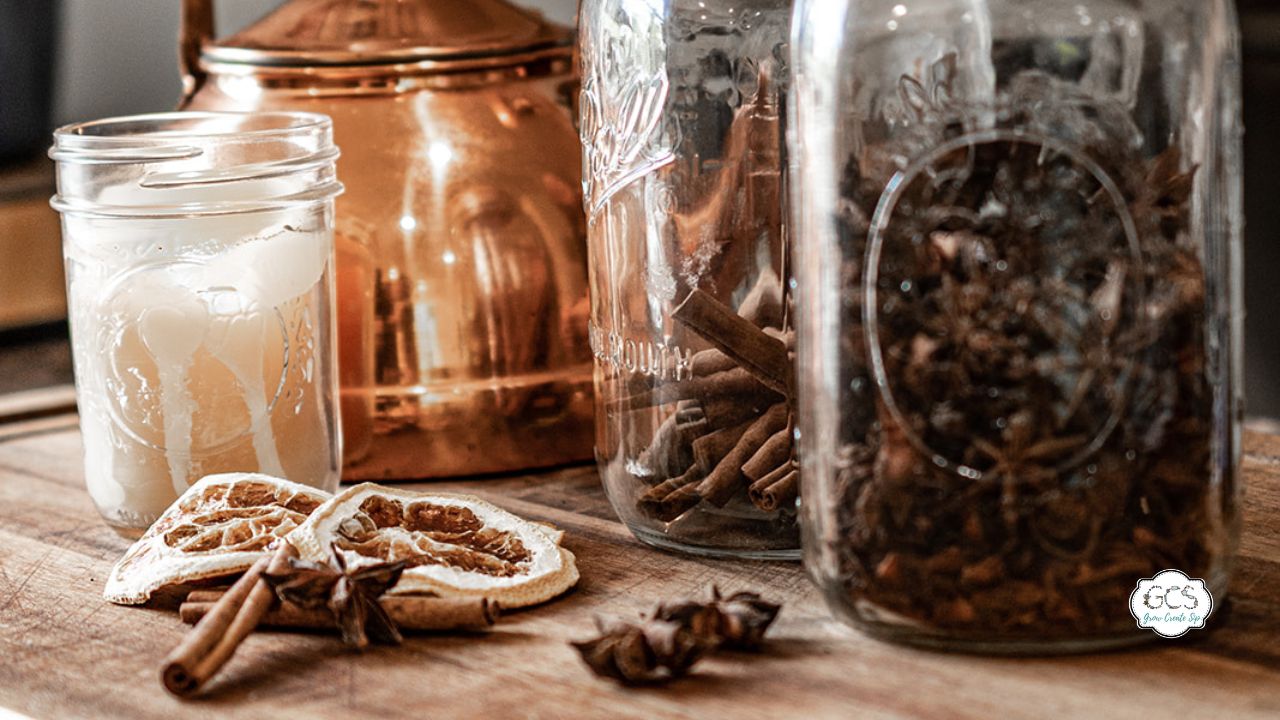
Ginger root and cinnamon chips are essentials in both my kitchen and my apothecary. Chai spices receive extra attention every fall, not simply because it's chai season, but because they become part of teas, syrups, broths, and other herbal preparations throughout the year.
Mullein leaf and marshmallow root are two more herbs I never want to run out of. They earn their shelf space every year, so I make sure they're replenished before winter, as they are especially useful in supporting upper respiratory health and digestive health.
If marshmallow root is new to your shelves, I've shared more about how to use marshmallow root in teas, syrups, salves, and other preparations. If you're just beginning an apothecary and aren't sure where to start, you might also find Top 10 Herbs Every Home Apothecary Needs helpful.
A Well-Stocked Apothecary Is Built One Harvest at a Time
A well-stocked apothecary isn't built in October. It's built one harvest at a time throughout the growing season. Elderflowers are gathered in early summer. Mullein leaves are dried while they're still tender and green. Elderberries follow later in the season. Rose hips are harvested after the first frost, and Oregon grape root is dug in late fall after the plant has gone dormant. By autumn, those individual harvests come together to refill the shelves. If rose hips are part of your fall harvest, you can read more about harvesting and processing rose hips for tea.
Preparing the Herbal Preparations We Use Most
Once everything has been put away, I turn my attention to the herbal preparations we'll use most. The first thing I do is check every tincture bottle. Immune-supporting, sinus, and digestive blends are usually the first to run low because they've been used throughout the year. I refill those before anything else.
Elderberry syrup is always high on my list, along with a batch of our Dry Fire Cider Mix from our Farmhouse Teas line. The herbs infuse in vinegar until they're ready to strain, leaving me with a preparation that's ready whenever we need it.
I also make sure our First Signs Tincture Blend (also from Farmhouse Teas) is full before putting the cabinet back in order.
Rather than trying to prepare every herbal remedy imaginable, I focus on the ones my family actually uses. Every household is different. As the years go by, you'll notice which herbs disappear quickly and which ones hardly move. Let that guide what you stock. If elderberry syrup is one of the preparations your household keeps on hand, here's my homemade elderberry syrup recipe and ways to use it.

Common Questions about Prepping the Apothecary
Do I need a large collection of herbs to start a home apothecary?
No. Start with the herbs and preparations your household actually uses. Over time, you'll notice what disappears quickly and what sits untouched. That information is far more useful than trying to stock every herb you might possibly need.
What should I put on my dried herb labels?
At minimum, I like to include the common name and the year the herb was harvested or purchased. For purchased bulk herbs, keeping the supplier's lot number is also helpful. You can save it on the jar or keep a separate logbook if you prefer less information on your labels.
Do all of my dried herbs need to be stored in dark glass jars?
That's not how I store most of mine because I use them often. I use clear mason jars with well-sealing lids, then pay attention to where the jars themselves are stored. Herbs intended for longer storage should be kept in a cool, dry place away from heat and direct light.
How do I know which herbs deserve the most space in my apothecary?
Let your family's habits answer that question. Peppermint gets a half-gallon jar in my apothecary because we use a lot of it. An herb I reach for only occasionally doesn't need nearly as much shelf space. Your apothecary should reflect the way your household actually uses herbs.
What should I do with older dried herbs that I don't want to waste?
If an herb is still in good condition but I know it needs to be used soon, I may move it into the kitchen spice cabinet where I'm more likely to use it for cooking. Herbs that have been exposed to moisture, show signs of mold, or otherwise don't inspire confidence are different. Those get discarded.
When should I start preparing my herbal apothecary for winter?
In many ways, winter preparation begins long before autumn. Elderflowers may be gathered in early summer, mullein leaves later in the growing season, elderberries as they ripen, and rose hips and roots in the fall. Autumn is when I bring those individual harvests together, take inventory, and see what still needs to be replenished before winter.
Built One Season at a Time
As I refill jars, label another harvest, and slide fresh herbs onto the shelves, I'm reminded that a home apothecary isn't built in a weekend. It's built one season at a time. Every elderflower gathered in June, every mullein leaf dried in summer, every elderberry harvested before autumn ends, every rose hip picked after frost, and every Oregon grape root dug in late fall eventually finds its place on these shelves.
By the time winter arrives, I know exactly what I have, where to find it, and how I'll use it. To me, that's one of the greatest blessings of keeping a home apothecary. It's a tangible reminder of God's goodness and our responsibility in stewarding and preserving what He has given us to grow and gather so we can continue caring for our family throughout the season.
More Herbal Harvest & Apothecary Reading
- How and When to Harvest Herbs: A One Stop Guide
- How to Dry Herbs Without a Dehydrator
- Best Food Dehydrator for Drying Fresh Herbs
- Top 10 Herbs Every Home Apothecary Needs (And How to Use Them)
- How to Use Marshmallow Root: Tea, Syrup, Salve & More
- Rosehip Tea Benefits and Best Rosehip Tea