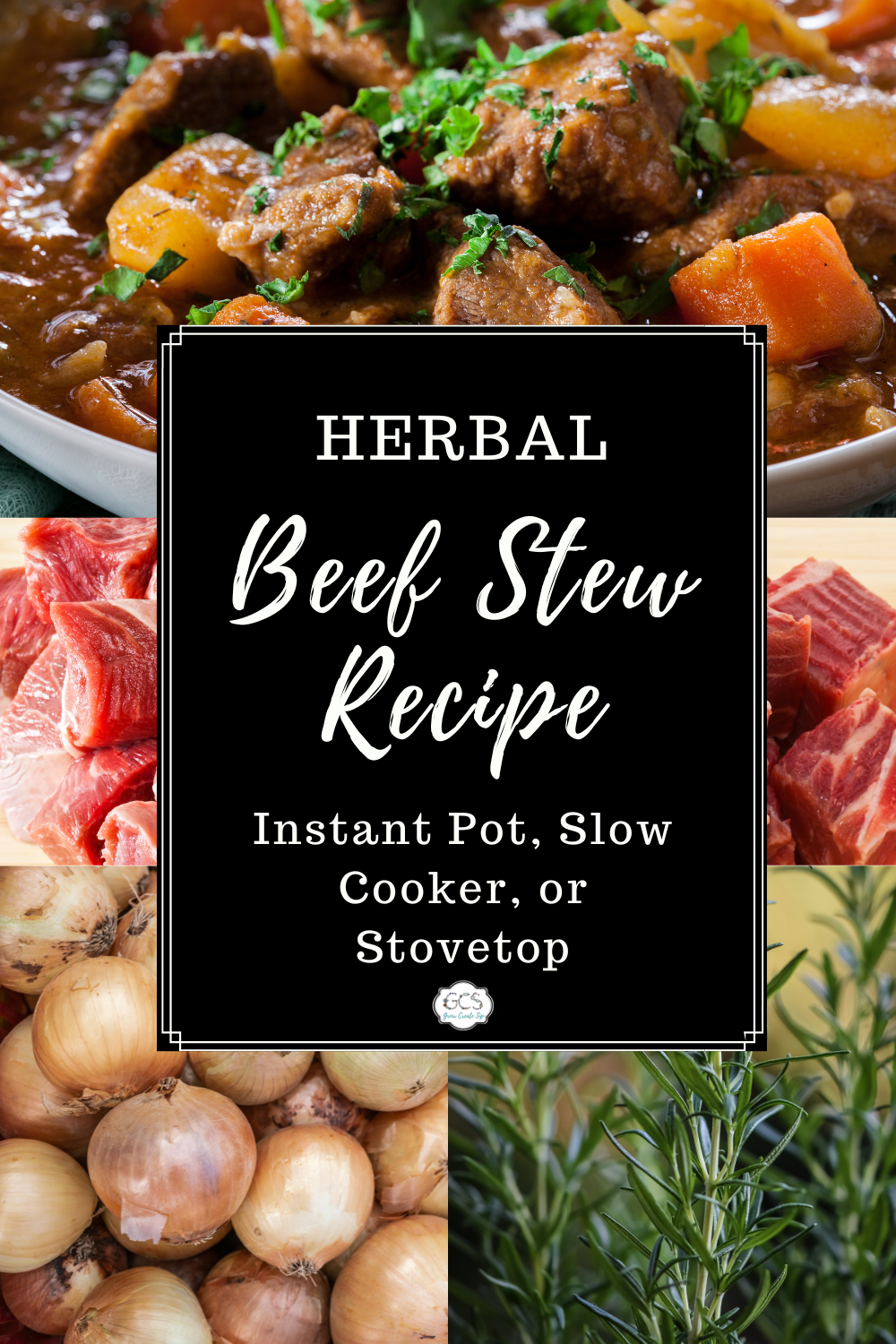
Herbal Beef Stew Recipe (Instant Pot, Slow Cooker, or Stovetop)
Jan 06, 2026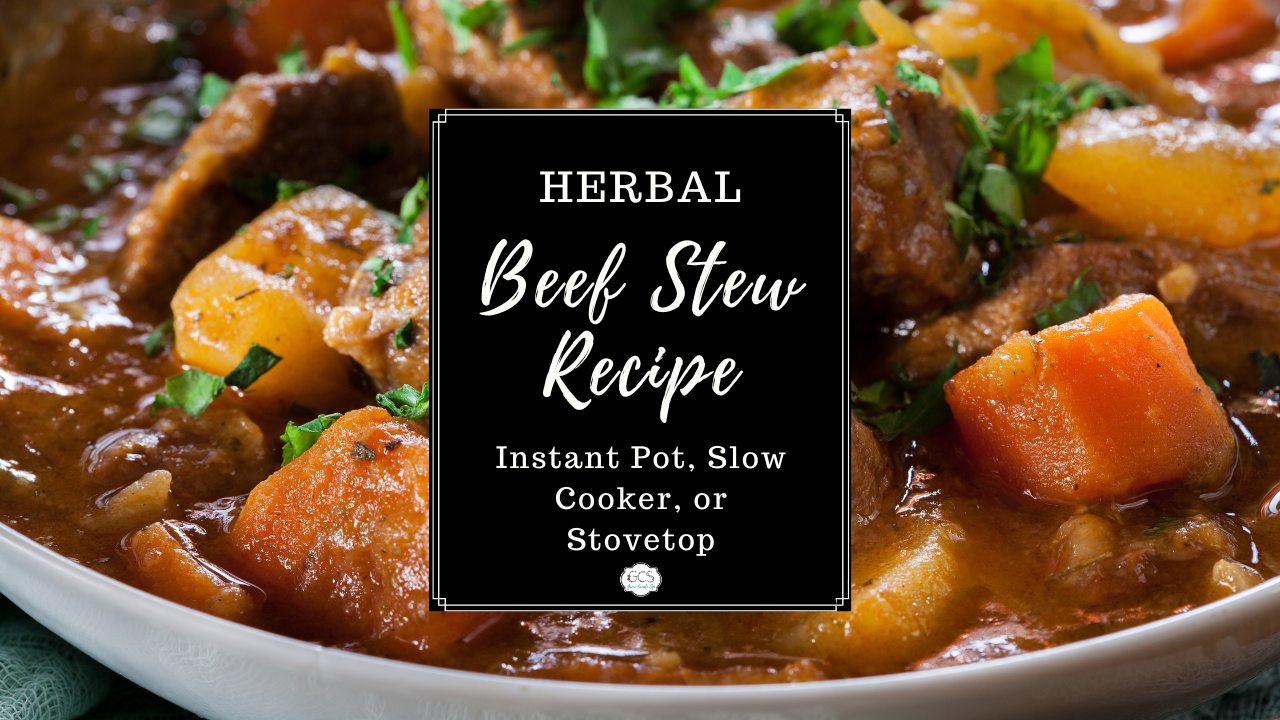
When it’s cold outside and you’re craving something hearty but also wholesome, this herbal beef stew hits the spot. Whether you're short on time or planning ahead, it delivers rich, slow-simmered flavor with the power of herbs—no bland, boring stew here.
When I make stew, the first things I reach for are salt, pepper, and, of course, a generous amount of garlic. Garlic powder is my go-to here, rosemary, and of course, thyme. The first time I made beef stew, I was actually following a recipe from a Taste of Home cookbook my mother-in-law gave me at our bridal shower. I didn’t grow up cooking—The Farmer taught me most of my first real recipes.
This post shares how to make an herbal beef stew using stovetop, crockpot, and Instant Pot methods. With a flavorful backbone of steak soup spices, enhanced by therapeutic herbs and finished with rich tomato powder, this recipe is hearty, wholesome, and steeped in herbal goodness.

This blog is provided by St. Fiacre's Farm LLC for informational purposes only. It does not constitute medical advice, and you should always seek the advice of a qualified healthcare provider for any medical questions or concerns. These statements have not been evaluated by the Food and Drug Administration. This product is not intended to diagnose, treat, cure, or prevent any disease.
Please note that we may earn a small commission on any purchases you make through our affiliate links, at no additional cost to you. Thank you for your support!

How to Cook with Herbs in Beef Stew for the Best Flavor
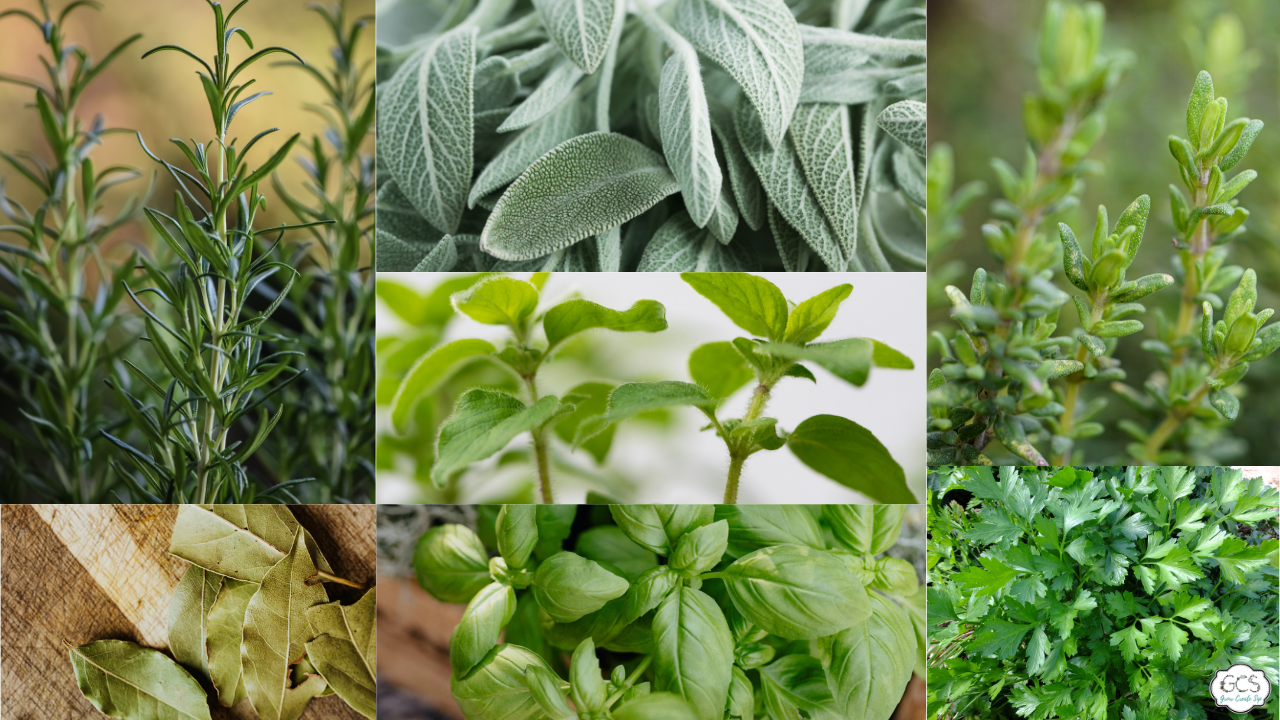
If you’ve ever ended up with a stew that tastes more like a spice cabinet than supper, the timing of your herbs is likely the culprit. Woody herbs like rosemary, thyme, bay, and sage love a long simmer. But soft herbs? They go in at the end, just before serving, to keep their brightness.
Herbs aren’t just flavor; they bring depth, wellness, and old-world wisdom to the stew pot. Layering herbs at the right time helps extract their full essence without overpowering the dish.
Health Benefits of Herbs in Beef Stew Recipes
The herbs in this stew don’t just make it taste incredible—they support your body in subtle, time-honored ways. Here’s a look at what each one brings to the pot:
Rosemary – Stimulates memory and focus while offering antimicrobial and anti-inflammatory support.
Thyme – Great for respiratory health, this antioxidant-rich herb is often used to ease coughs and congestion.
Bay Leaves –Bay leaves add a subtle, earthy depth to the stew’s flavor. They’re also known for aiding digestion and helping to reduce gas and bloating.
Parsley – Not just a garnish, parsley supports kidney health and is rich in vitamin C, iron, and folate. It’s also cleansing and gently diuretic.
Sage – Valued for its memory-boosting and anti-inflammatory properties, sage adds a comforting herbal depth.
Oregano – Packed with carvacrol and thymol, oregano offers immune support through its antibacterial and antifungal actions.
Basil – Helps calm the nervous system, support digestion, and may help balance blood sugar levels.
These aren’t just seasonings—they’re herbal allies, working behind the scenes to nurture and support your body while you enjoy a cozy, flavorful bowl of stew.
Best Herbs and Spices for Herbal Beef Stew
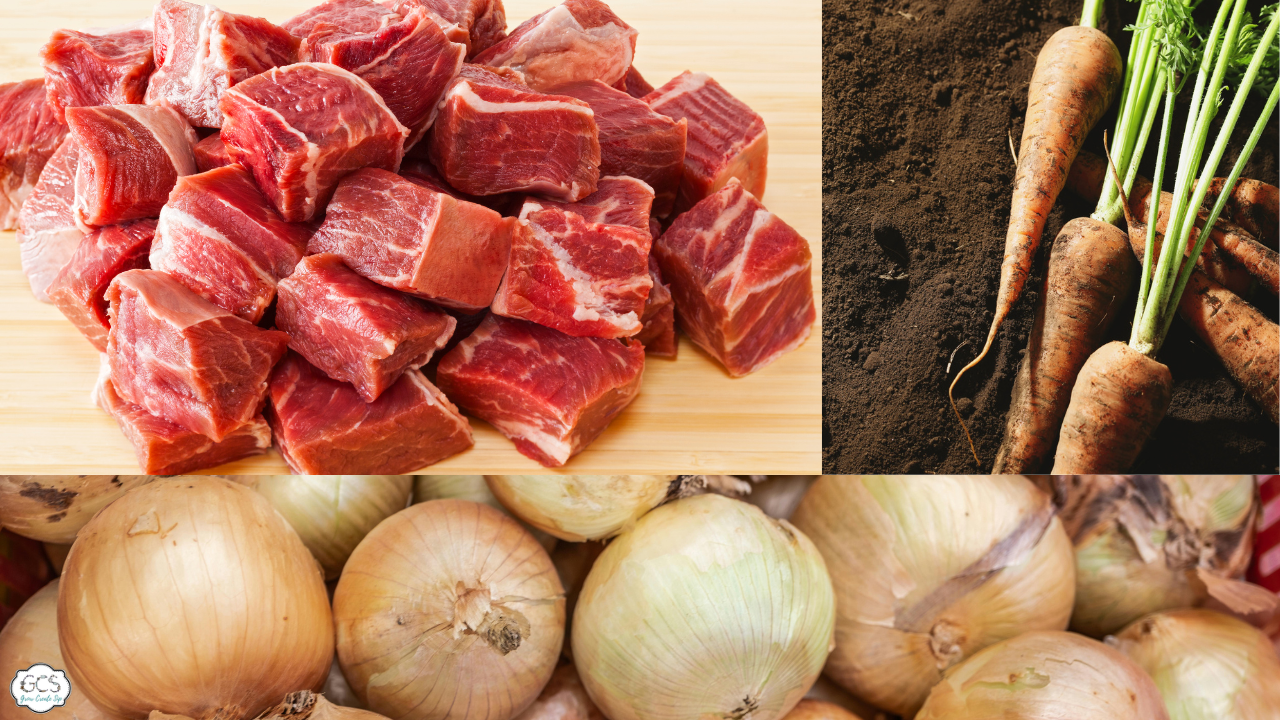
The foundation of this stew is a classic savory mix—garlic, onion, thyme, and black pepper. Then we layer in a thoughtful mix of culinary and medicinal herbs for depth and nourishment:
-
Classic herbal stew: rosemary (immune support), thyme (respiratory health), parsley (digestive aid)
-
Irish-style variation: thyme, bay leaf (detoxifying), fresh parsley
-
Mediterranean herbal touch: oregano (antioxidant-rich), rosemary, basil (mood-lifting)
-
Earthy crockpot option: sage (anti-inflammatory), thyme, bay
Always start dried herbs early and save fresh herbs for the final flourish. These are our favorite herbs for making stew.
Tips for Using Tomato Powder in Herbal Recipes
Start with 2 tbsp and bloom it in fat or liquid so it dissolves smoothly. Tomato powder can have a tangier bite than paste, so balance it with a tablespoon of honey if needed. You can easily make your own tomato powder by drying tomatoes.

Got Questions About Herbal Beef Stew? Let’s Chat!
How should I store leftover herbal beef stew?
Let the stew cool completely, then transfer it to a glass container with a tight-fitting lid. Refrigerate and enjoy within 4–5 days—some say it tastes even better the next day!
Can I freeze homemade herbal beef stew?
Yes! Freeze the stew in mason jars (leave headspace below the curve) or any freezer-safe container. Thaw it overnight in the fridge before reheating.
What can I use if I don’t have tomato powder for stew?
If you’re out of tomato powder, substitute with 1–2 tablespoons of tomato paste. Tomato powder is more versatile and shelf-stable, so it’s worth keeping on hand.
What is the best cut of beef for herbal stew?
Chuck roast is ideal because of its marbling and tenderness after slow cooking. Pre-cut stew meat is also a good option and often more budget-friendly.
Can I make herbal beef stew without using wine?
Absolutely. Replace the wine with additional beef broth. The herbs provide plenty of flavor, and a splash of balsamic vinegar or Worcestershire sauce can add similar depth.

Wrapping It Up with a Warm Bowl of Herbal Stew
This stew is more than just dinner—it’s herbal nourishment in a bowl. Slow-simmered roots and warming herbs turn simple ingredients into something deeply healing and cozy.
Whether you’re simmering it on the stovetop while sourdough bakes or tossing it in the Instant Pot last-minute, it’s flexible and full of flavor. Garlic, thyme, rosemary, and parsley come together to create something that’s both comforting and beneficial.
Want to bring even more herbal depth to your meals? Grab our Cooking with Tea Ebook for more ways to infuse your everyday recipes with wellness-supporting herbs.
Learn More About Cozy Herbal Cooking
- How to Make Cozy Dairy-Free Hot Cocoa Mixes
- Spiced Cranberry Orange Wassail Recipe
- How to Forage Winter Decorations for Your Home
- How to Make Elderberry Jam